


February 24, 2026, 9:55 am | Read time: 4 minutes
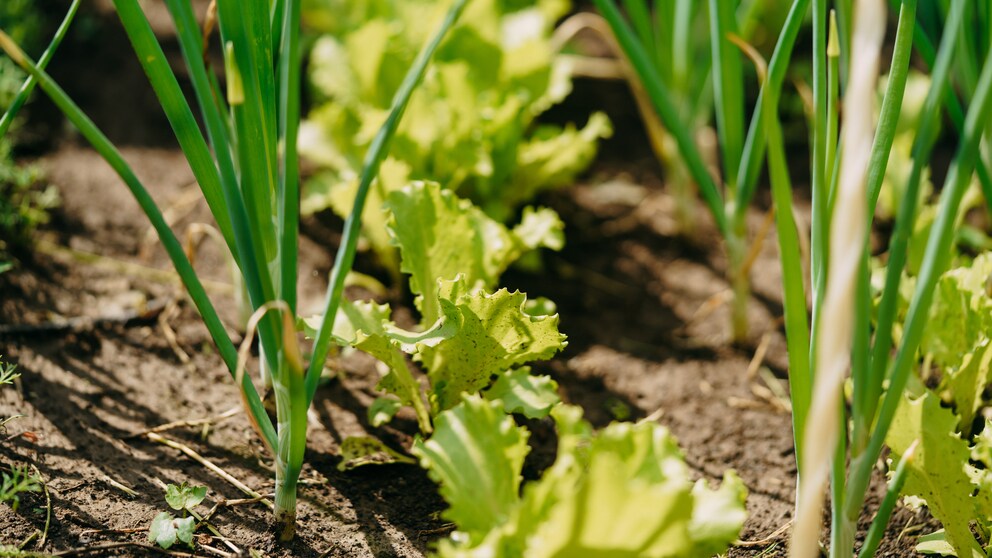
Fresh salad from your own garden or balcony is not only cost-effective but also particularly flavorful. Those who grow their own salad can harvest early in the year, choose specific varieties, and have control over cultivation and quality. The good news: Salad is one of the easiest vegetables to grow—even for beginners. myHOMEBOOK explains how it’s done.
Which Salad Varieties Are Suitable for Cultivation?
In general, almost all salads can be planted. Particularly popular are:
- Head lettuce
- Leaf lettuce
- Batavia
- Romaine lettuce
- Oak leaf lettuce
- Lollo rosso & Lollo bionda
Cut and leaf lettuces grow particularly quickly and are ideal for harvesting small amounts regularly.
The Right Time for Growing Salad
Depending on the variety, salad can be started indoors or in a greenhouse from February/March. For outdoor cultivation, sowing usually begins from March to April, with fall salads sown until August.
Important: Salad germinates best at temperatures between 50 and 64 degrees Fahrenheit. Too high temperatures can inhibit germination.
Sowing Salad for Cultivation–Step by Step
- Use seed starting soil: Loose, nutrient-poor soil is ideal. It prevents the plants from growing too quickly.
- Cover seeds lightly: Salad is a light germinator. Gently press the seeds or lightly dust with soil.
- Keep moist, not wet: Best to water with a spray bottle. Avoid waterlogging at all costs.
- Place in a bright location: A bright spot on the windowsill or in the greenhouse is optimal.
- Be patient: After about 7–14 days, the first seedlings will appear.
Thinning Is Important
Once the young plants have developed two to three true leaves, they should be thinned. This involves carefully separating the small plants and placing them in larger pots. This ensures strong roots and healthy growth.
Tip: Salad can be planted a bit deeper when thinning, but should not be buried up to the leaves.
Salad Needs to Be Hardened Off
Before moving the salad to the garden bed or balcony boxes, the plants should be hardened off. This involves placing them outside during the day for several days—initially in a sheltered spot, then in a sunnier location.
Transplanting into Beds or Pots
- Plant spacing: 8–12 inches, depending on the variety
- Soil: loose, humus-rich, evenly moist
- Location: sunny to partially shaded
Regular watering is important, as drought stress can quickly lead to a bitter taste or bolting.
Common Mistakes in Growing Salad
- Too warm a germination environment
- Seeds sown too densely
- Waterlogging
- Too little light
By paying attention to these points, you will be rewarded with crisp, mild salad.
Direct Sowing or Pre-Cultivation–Which Is Better?
Those who want to grow salad have two options. Salad can be either pre-cultivated or sown directly into the bed. Pre-cultivation offers the advantage of protecting the plants from snails and ensuring more uniform growth. Direct sowing requires less work but carries risks from cold, heavy rain, or pest damage. Especially in early spring or with sensitive varieties, pre-cultivation is worthwhile.
Growing Salad on the Balcony
Even without a garden, it’s easy to grow salad. For cultivation, shallow trays are sufficient, and later, balcony boxes or pots with a depth of at least 6 inches are suitable. An important feature is a drainage hole, as waterlogging can quickly damage salad roots. East or west-facing balconies are ideal, as intense midday sun can cause stress.
Use Fertilizer Sparingly
Salad is a light feeder. Too much fertilizer promotes soft leaf growth and can increase nitrate levels. During the cultivation phase, no fertilizer is needed. After transplanting, a humus-rich soil or a bit of mature compost is sufficient.
Regularly Resow for Continuous Harvest
Instead of sowing everything at once, staggered sowing at intervals of 10 to 14 days is worthwhile. This ensures fresh salad is available for weeks and prevents harvest peaks where everything is ready at the same time.
Avoid Bolting–This Really Helps
Salad is sensitive to stress. Heat, drought, or nutrient deficiency can cause the plants to flower prematurely. Solutions include:
- consistent watering
- partially shaded locations in summer
- heat-tolerant varieties
- timely harvest
How to Grow Lettuce in Your Garden
Pak choi – how to grow Asian cabbage in the garden
Companion Planting as Protection and Growth Aid
Salad is excellent for companion planting. Good neighbors include:
- Radishes
- Carrots
- Kohlrabi
- Onions
They use space efficiently and can keep pests away.
Recognize Diseases and Pests Early
Young salad plants are particularly susceptible to snails, aphids, and downy mildew. Airy planting distances, morning watering, and regular checks help identify problems early and solve them without chemicals.

Small Salad Bed in a Pot
“I often lack the time for intensive care of a vegetable bed. A good alternative for me is to plant leaf lettuce in a wide but shallow dish. The maintenance effort is minimal, and regularly, a few salad leaves fall off for a mixed salad.”