


August 23, 2025, 4:18 am | Read time: 4 minutes
The melon pear, also known as pepino or pear melon, is a well-kept secret for those who enjoy growing unusual fruits in their own garden. This easy-care plant impresses with its decorative, striped fruits and a sweet taste that—true to its name—reminds one of melon and pear. myHOMEBOOK takes a closer look at the pepino.
The melon pear originally comes from South America, where it has been cultivated for centuries, and botanically belongs to the nightshade family—like tomatoes or eggplants. The herbaceous plant grows compact to bushy and is ideal for sunny locations in the garden or in containers on balconies and terraces. In mild regions, it can even be cultivated as a perennial. In cooler areas, however, it is annual or must be overwintered frost-free.
Overview
Planting Melon Pear
Pepino plants are available in well-stocked nurseries in spring or can be started from seeds from February onwards. They require a sunny, wind-protected location and grow particularly well in large pots or raised beds. Conditions in a greenhouse are also ideal, as the warmth and high humidity match the pepino’s native environment. When planting, ensure a nutrient-rich, well-drained substrate.
Appearance/Growth
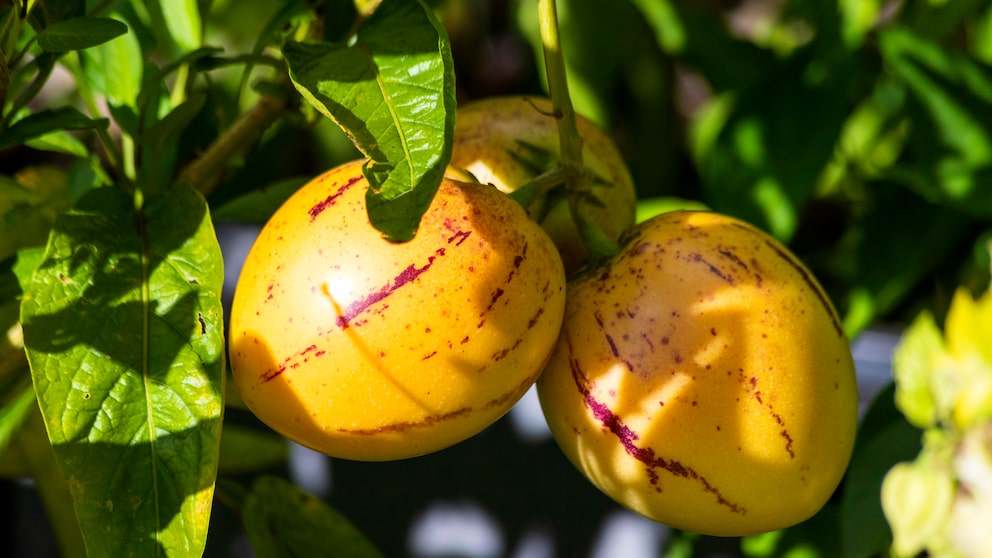
The melon pear grows as a bushy, herbaceous plant with soft, slightly hairy leaves. It can reach up to 1.5 meters in height. Particularly striking are the yellowish-cream fruits with purple stripes, which grow to about the size of a fist. The flesh is juicy, light yellow to cream-colored, and pleasantly sweet. The flowers usually appear from June and resemble potato flowers in color and shape.
Location/Soil
The pepino prefers warm, sunny, and wind-protected spots. An ideal location offers at least six hours of sun daily. The soil should be loose, nutrient-rich, and well-drained—a mix of garden soil, compost, and some sand is optimal. Waterlogging should be avoided as it can lead to root rot.
Varieties
Only a few pepino varieties are available on the market, differing slightly in fruit size, taste, and color. The “Sugar Gold” variety is particularly popular for its very aromatic, sweet, and striped fruits.
Caring for Melon Pear
Watering
The melon pear requires regular, even watering. The soil should always be slightly moist but not wet. A good water supply is especially important during fruit development.
Fertilization
Fertilize every two weeks with a liquid fertilizer for fruit and vegetables or with organic fertilizer. Alternatively, compost or aged manure can be worked in.
Pruning
Pruning is only necessary for the pepino if it grows very sprawling or is brought indoors for overwintering. Wilted or diseased shoots should be removed regularly. This also prevents diseases and makes the plant more robust overall.
Winter Hardiness
The melon pear is not winter hardy. If you want to cultivate it for several years, bring it into a bright, frost-free room in the fall. Temperatures between 5 and 10 degrees are ideal. During winter dormancy, water less but do not let it dry out. In spring, repotting is necessary.
Toxicity
The melon pear is considered non-toxic and is safe for children and pets. However, as with all nightshade plants, ensure only ripe fruits are consumed. The skin of the melon pear is usually considered too tough and is therefore typically removed. The seeds taste slightly bitter but are also edible and non-toxic.
Propagation
Propagation is successful through seeds or cuttings. Cuttings should be taken in late summer and rooted in water or moist substrate. Extract seeds from fully ripe fruits and dry them. Be patient when sowing, as germination can take several weeks.
Alternatives
If you’re looking for other exotic, heat-loving fruit plants, consider pineapple cherry (physalis), tomatillo, or eggplants. These also belong to the nightshade family, are easy to grow, and add variety to the garden.
Bee Friendliness
Although the melon pear’s flowers are pretty, they are only occasionally visited by insects in our region. Therefore, the pepino is only somewhat suitable as a targeted bee pasture.
How to Properly Plant and Care for Decorative Pumpkins
How to Grow Mexican Mini Cucumbers in the Garden and on the Balcony
Usage
The fruits of the melon pear taste great on their own, in fruit salads, smoothies, or as a fruity accompaniment to desserts and cheese platters. Their mild, sweet aroma makes them versatile—even in savory dishes. Ripe fruits keep for a few days in the refrigerator. The plant itself can also serve as a decorative element on the patio table.
Diseases and Pests
The pepino is robust but can be affected by gray mold or aphids, especially in overly wet weather. Frequent ventilation, a dry location, and removing diseased plant parts help prevent diseases. This is particularly important during overwintering. In pot culture, ensure good drainage to avoid root rot.