


August 29, 2025, 9:04 am | Read time: 4 minutes
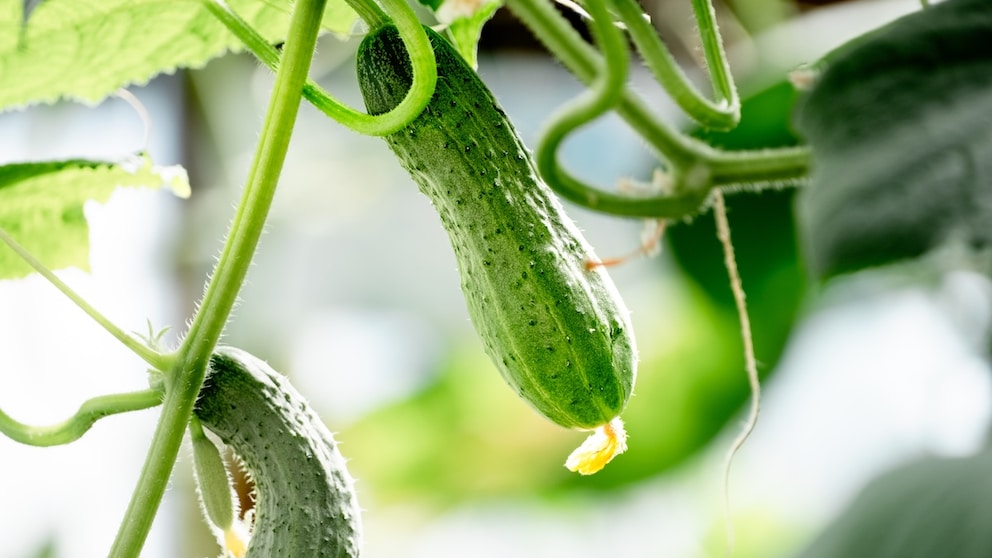
The cucumber season is slowly coming to an end, at least for many. But there are ways to trick nature a bit and extend the cucumber harvest. myHOMEBOOK gardening editor Franka Kruse-Gering reveals four ways to enjoy delicious cucumbers for a few more weeks.
1. Regularly Thin Out
In general, diseased leaves or plant parts should always be removed promptly to keep the plant vital. However, even if you start doing this only at the end of the season, you can still gain a few days and a few cucumbers. The reason is that the cucumber plant doesn’t have to invest its energy in maintaining certain leaves. By cutting off diseased or wilted leaves, the plant has more energy for fruit production. But be careful: Cutting too much can have the opposite effect, as the plant needs its energy for wound healing if there are too many cuts.
2. Cucumbers Love Warmth
In late summer and early fall, nights often get cooler, which cucumbers do not like, as they are warmth-loving plants. Temperatures below 54 degrees Fahrenheit can significantly slow growth and fruit production. Therefore, it makes sense to protect the plants during this time to extend the cucumber harvest a bit.
The easiest way to do this is with a light garden fleece or a sheet of plastic, which you can loosely place over the plants in the evening and remove in the morning. This helps retain the soil’s warmth longer, and the leaves are protected from dew and moisture, which can promote diseases like mildew. If you grow cucumbers in pots, you can place them against a sheltered house wall in the evening, where it usually stays warmer. If you have a small plastic tent or mini tunnel, you can also place the cucumbers there, often extending the harvest period by several weeks. However, it’s important that the plants get enough fresh air during the day to prevent moisture buildup, which would promote fungal diseases.

Should You Remove Leaves from Vegetable Plants?

These 4 Mistakes in Cucumber Harvesting Hurt the Harvest
3. Don’t Harvest Too Late
Also interesting: 4 Mistakes When Harvesting Cucumbers
Regular harvesting keeps cucumber plants productive longer. If a fruit stays on the plant too long, the energy focuses on that cucumber. New flowers and fruits do not develop. Therefore, it’s best to harvest cucumbers as soon as they reach their typical size and before they become oversized or yellow. Overripe fruits further inhibit the plant and should be removed immediately, even if they are no longer usable.
The most effective way is to cut the cucumbers with a sharp knife or scissors, or gently twist them off to avoid damaging the stems. This consistent harvesting encourages the plant to continuously produce new cucumbers, which also remain crisper and more flavorful. This way, the harvest period can be extended well into late summer.
4. Fertilize in the Final Stages
Fertilizing plays a particularly important role for cucumbers. The plants are known as heavy feeders and draw many nutrients from the soil. When the strength wanes in late summer, an additional boost of nutrients can significantly extend the harvest period. Potassium is especially important as it supports flower and fruit formation and helps cucumbers remain crisp and flavorful. Nitrogen is also necessary, but should be given in moderation. Too much nitrogen results in many leaves but fewer fruits.
The easiest method is to use a liquid fertilizer for vegetables or tomatoes, which can be mixed into the watering can every one to two weeks. For a more natural approach, you can use homemade nettle or comfrey manure, which contains many minerals. Always ensure to give smaller amounts more frequently rather than over-fertilizing the plants at once, as an excess can damage the roots. It’s best to apply the fertilizer right after watering to prevent root burn and ensure even distribution. This way, the plants receive continuous new energy and can continue producing cucumbers well into the fall.