


October 14, 2025, 8:50 am | Read time: 5 minutes
When the first walnuts fall to the ground in autumn, many hobby gardeners begin harvesting the aromatic nuts. Walnuts are full of healthy fats, minerals, and vitamins–and with proper storage, they can be enjoyed for months. myHOMEBOOK explains how to recognize ripe walnuts, how to dry and store them properly, and what you can make from them.
Overview
When Walnuts Are Ripe
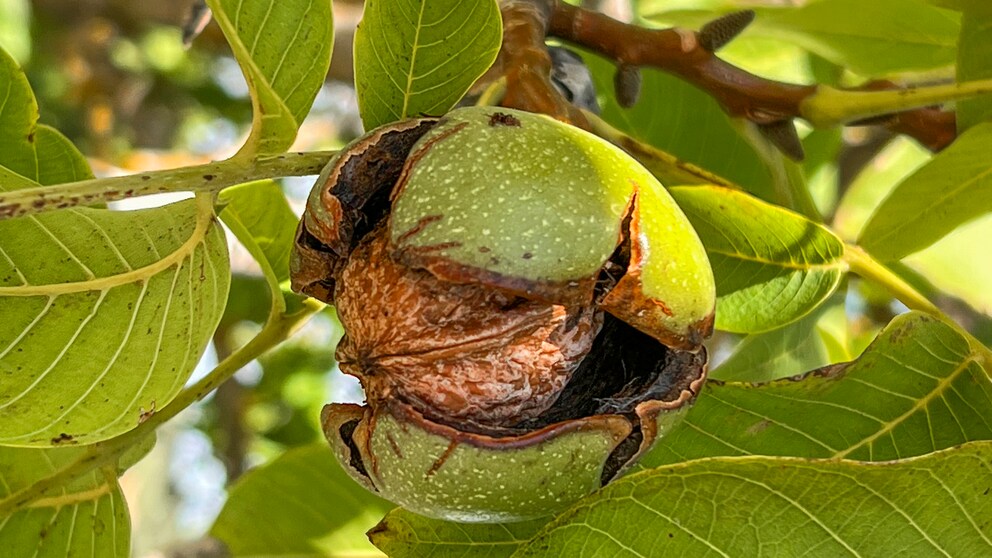
The walnut (Juglans regia) is usually harvested in Germany from the end of September to mid-October. A sure sign of ripeness is when the green, leathery outer shell (the fruit husk) opens on its own and the brown nuts fall out. Walnuts should never be forcibly picked from the tree–they are usually still unripe and taste bitter. Walnuts that are already on the ground are generally ripe but should be checked for possible rot or bite marks. Animals such as squirrels or birds, as well as some insects, also appreciate the energy-rich walnut kernels.
Harvesting Walnuts Properly
After harvesting, the nuts should be immediately freed from the fruit hulls, as these can cause black spots when left lying around. It’s best to wear gloves–the shells contain tannins that can strongly stain the skin. Then thoroughly rub the nuts with a cloth to remove dirt.
Nuts with damaged or cracked shells should be sorted out immediately, as they spoil quickly.
Drying Ripe Walnuts–How to Keep Them Long-Lasting
Freshly harvested walnuts still contain a lot of moisture. To prevent them from molding, they must be carefully dried:
- Location: airy, dry, and shady–an attic or a well-ventilated room is ideal.
- Surface: spread out on wire racks, wooden slats, or a fine mesh net so that air can circulate from all sides.
- Duration: about 2 to 4 weeks, depending on temperature and humidity. During this time, regularly turn the nuts to dry them evenly. If they rattle noticeably when shaken, it’s a sign they are dry enough. Then the walnut kernel moves freely in the woody shells.
Storing Walnuts Properly
Once the nuts are completely dried, they can be stored for several months–preferably in nets, cloth bags, or wooden boxes in a cool, dry, and dark place, such as a dry (!) basement or pantry.
Plastic bags are unsuitable, as moisture can accumulate and mold can develop.
Tip: Walnuts with shells last significantly longer than those already shelled. Shelled kernels should be sealed airtight and preferably stored in the refrigerator, as they can quickly become rancid due to their high fat content.

Extra Tip: Freeze Ripe Walnuts or Process into Butter
“Those who have collected particularly many nuts can also freeze them–both with and without shells. Frozen, they last up to a year and retain their aroma and nutrients. Simply pack them in portions in freezer bags or containers.”

Harvesting, Drying, and Storing Hazelnuts Properly

Popular Nut Trees for the Garden and How to Care for Them Properly
Making Walnut Butter Yourself
From dried or thawed walnuts, you can easily make a creamy walnut butter–perfect as a spread, for dressings, or to refine desserts. For this, the nuts are first lightly roasted in the oven at about 320°F (160°C) for 8–10 minutes until they are fragrant. Then let them cool briefly and puree them in a powerful blender until a creamy mass forms. Depending on taste, you can add a pinch of salt or some honey. Filled into a clean screw-top jar, the butter will keep for several weeks in the refrigerator.
Note: The separation of oil on top of the butter is a normal storage process and additionally preserves the butter. The oil is particularly good for aromatic salad dressings.
Reusing Fruit Hulls and Nut Shells
The remnants of the walnut don’t necessarily have to end up in the trash. The green fruit hulls contain many tannins and are excellent for dyeing fabrics, Easter eggs, or natural paper–they produce warm brown to olive tones. In the past, they were also used for tinting wood or hair.
Important: Always work with gloves, as the dyeing effect is very strong. If you don’t want to use the fruit hulls immediately, you can also let them dry thoroughly and store them in screw-top jars until needed.
The hard nut shells, on the other hand, can be dried and used as kindling in the fireplace or stove–they burn long and hot. Alternatively, they can be crushed and used as drainage in flower pots or composted in the garden, where they slowly enrich the soil with minerals.
High-Quality Ingredient for Morning Muesli
“Walnuts are a must in every muesli for me–not only because they taste pleasantly nutty and crunchy, but because they provide the perfect nutrient boost. The combination of high-quality fats, protein, and fiber keeps you full for a long time and ensures a good start to the day. I prefer to chop them coarsely and briefly roast them in the pan–this intensifies the flavor and makes every breakfast a bit more special.”