


November 20, 2025, 2:04 pm | Read time: 3 minutes
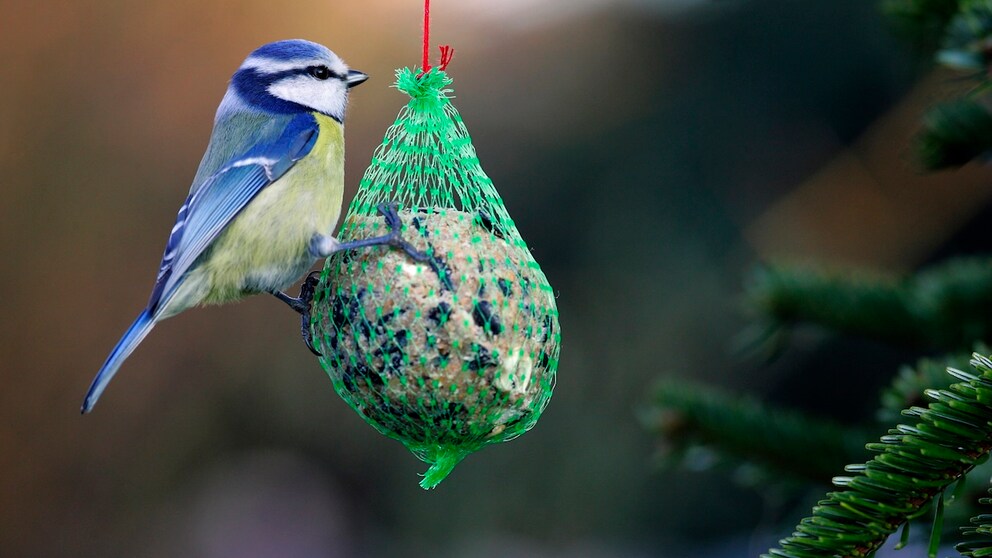
When temperatures drop, many garden and balcony owners turn to fat balls to support local birds. However, the widespread variants in plastic nets pose risks—not only to the animals but also to the environment.
Why Fat Balls Can Be Problematic for Birds
“We also advise against offering netted fat balls as food,” warns Silvia Teich, spokesperson for the Nature and Biodiversity Conservation Union (NABU), upon request from myHOMEBOOK. The reason is clear: The fine nets can become traps for birds. They can get caught with their claws or beaks in the mesh and potentially injure themselves.
But there’s another issue: “Additionally, the empty nets often remain in trees, bushes, or on the ground, where they slowly become brittle due to weather conditions,” Teich adds. The resulting small pieces decompose slowly, turning into microplastics and eventually entering the soil—and possibly the food chain.
What to Consider with Fat Balls
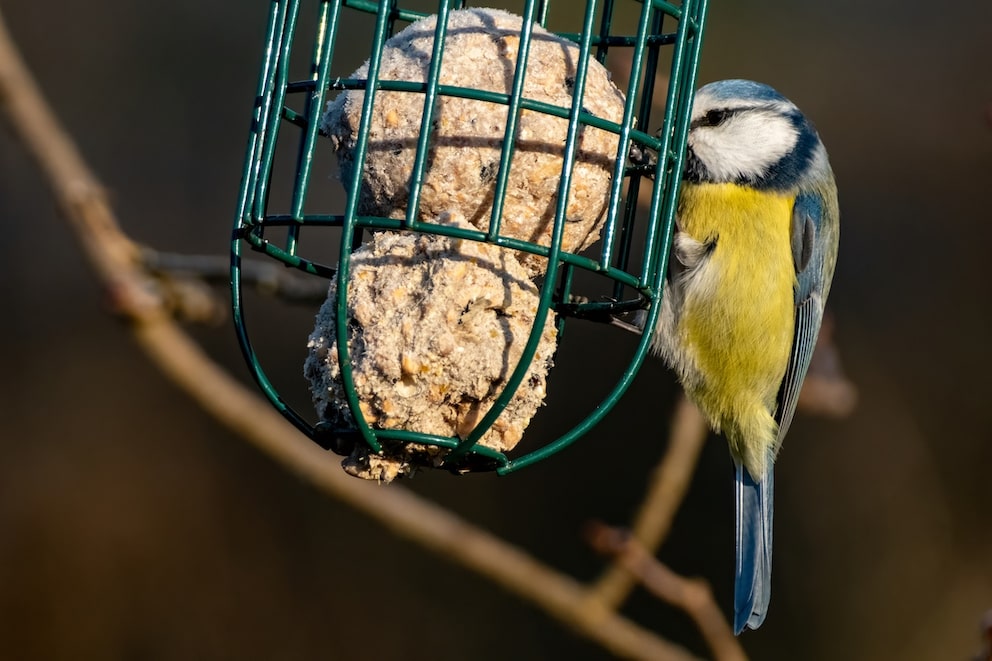
Despite these risks, there’s fundamentally nothing wrong with fat balls. On the contrary, as Teich explains: “Fat balls are beneficial because they provide birds with seed food and fat.” This combination is energy-rich and therefore important to help the animals through the exhausting winter.
However, the correct form of presentation is crucial: “We recommend offering the balls in fat ball dispensers,” says Teich. Metal dispensers that are easy to refill are advisable. Teich shares a practical tip for DIY enthusiasts: “You can also use old whisks as ball dispensers.” Simply fill them with the balls, turn them upside down, and hang them in a suitable spot.
How to Make Your Own Suet Balls – Easy Guide with Video
Possible Reasons Birds Might Avoid a Bird Feeder
Make Your Own Fat Balls
Completely without plastic and entirely safe is the following DIY idea. Fat balls can also be made in a few steps—often with ingredients you already have at home. At the same time, waste like empty orange peels can be excellently reused.
Don’t Neglect the Quality of the Food
Besides the packaging, the content also plays an important role, according to the NABU expert. “With fat balls, you should also pay attention to quality.” Her recommendation: Buy products from specialty stores, preferably organic. These are usually made with high-quality ingredients.
If you want to offer birds an alternative to fat balls, you can also opt for other forms of food. “Additionally, you can offer seed food in feeders, where the food slides down.” The advantage: This type of feeding is much more hygienic than the traditional birdhouse, as the animals do not contaminate the food with their feet.