


November 18, 2022, 10:05 am | Read time: 4 minutes
Winter tarragon is an herb with an aroma reminiscent of woodruff. Not only does it have a captivating scent, but its orange-yellow, small flowers also shine brightly until late in the fall.
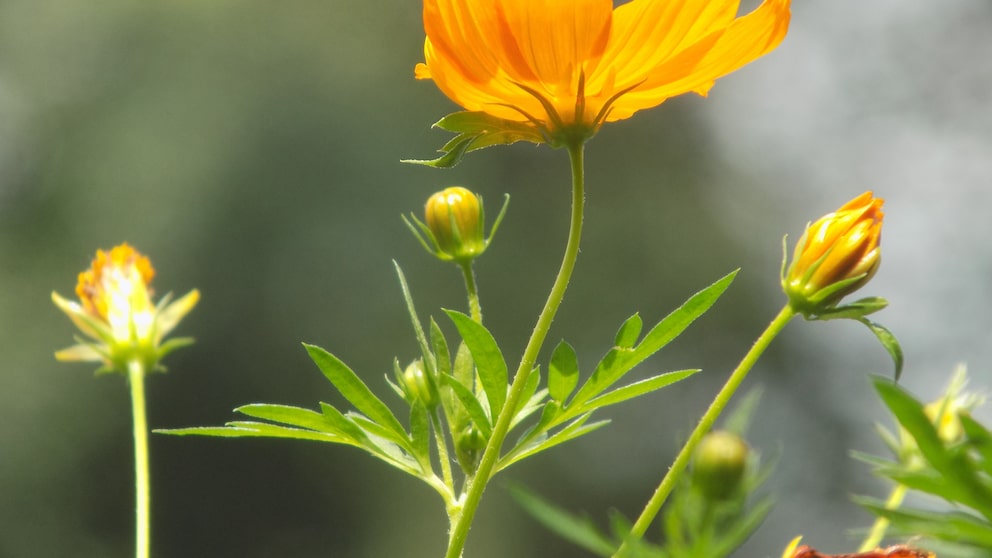
Winter tarragon (Tagetes lucida) is a truly special herb. The bright orange flowers are reminiscent of marigolds–a real eye-catcher in the garden or on the balcony. The flowers and the finely pointed leaves are edible. Besides the name winter tarragon, the plant has another name you should savor: Yauhtli. The name originates from Central and South America, where the Aztecs valued winter tarragon–not just for seasoning dishes.
Planting Winter Tarragon in the Garden
Whether in the garden or on the balcony, winter tarragon requires a sunny location. Under good conditions, the plant can reach a height of about 80 centimeters. In garden beds, maintain a distance of about 40 centimeters from other plants. If cultivating the plant in a container, choose peat-free potting soil.
Also worth reading: Tarragon – Planting and Care Tips for the Culinary Herb
Optimal Care for Winter Tarragon
Winter tarragon is a hardy plant. However, you should pay attention to the following:
Watering
Winter tarragon needs regular watering. However, waterlogging should be avoided, as it can lead to root rot and fungal diseases. You can easily prevent waterlogging by doing the finger test. If the soil feels moist, there’s no need to water. Dry or hard soil should be soaked with water. Collected rainwater is best.
Fertilization
Winter tarragon requires nutrient-rich soil. Occasionally, a dose of organic fertilizer helps. Plants in containers can be nourished with homemade plant fertilizer, such as Bokashi. For fertilization, remember: Only after repotting! Then, add a bit of liquid fertilizer once a month.
Pruning
To encourage new growth in winter tarragon, you can prune the plant confidently.
Propagation
Propagation can be achieved by sowing seeds. Additionally, you can propagate winter tarragon through cuttings. However, there are some things to consider. myHOMEBOOK explains the procedure in this article.
Frost Protection
In mild regions, winter tarragon can survive even harsh winter nights in a sheltered location. If severe frosts are expected, winter tarragon must be protected, for example, with a layer of fleece or mulch. When cultivated in a container, move it to a sheltered spot. In a smaller pot, the herb can overwinter well on a not-too-warm windowsill.
Diseases and Pests
Prolonged dryness of the root ball can harm winter tarragon. The leaves then turn brown, and the buds and tips fall off. Winter tarragon in winter quarters is sometimes infested by spider mites, usually due to dry heating air. These pesky pests often affect other houseplants as well. To prevent an infestation, these tips can help.

Planting and Care Tips for the Exotic Pepino Fruit in Your Garden or Balcony

How an Herb Spiral Works
Spooky Background
India, Africa, Europe, or Central and South America–winter tarragon is cultivated in many parts of the world. Here, the herb is sometimes known as “cloud herb.” In South America, where the plant is native, it is called “Yauhtli.” It sounds sweet at first. However, the herb has a spooky past.
According to the Lexicon of Medicinal Plants and Drugs, the Aztecs sprinkled a powder from the drug on the faces of their war captives. Numbed by it, they resigned themselves to their fate of being sacrificed by burning. That is, of course, long history. Today, the herb is burned for religious purposes on home altars by indigenous peoples in Mexico.
Also interesting: Borage – a tasty culinary herb to be enjoyed with caution
Uses of Winter Tarragon
Winter tarragon can be used in a variety of ways in the kitchen. It adds a special touch to soups, stews, and especially fish dishes. The herb can also be prepared as a tea, particularly when the leaves are wilted or dried. Chefs especially love the aroma of winter tarragon! It ranges from woodruff to licorice to true tarragon. The herb has a slight spiciness in the finish. Winter tarragon also enhances desserts, salads, or even hot cocoa. The plant offers fragrant essential oils and simply smells lovely in the garden or balcony box.