


May 17, 2026, 6:24 am | Read time: 2 minutes
If you’re starting vegetables indoors to plant them in the garden after the Ice Saints period, you sometimes face quite a tricky task. Namely, getting all the little plants out of the seedling pots without damage. myHOMEBOOK gardening expert Franka Kruse-Gering reveals a trick that anyone can implement.
The Secret Behind the Fork Trick
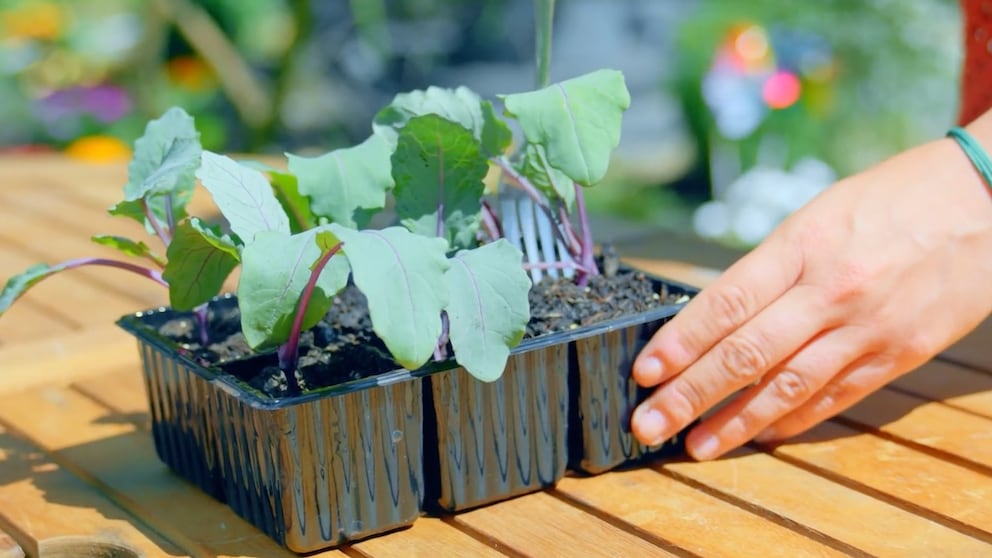
Especially with plants cultivated in trays—small, tightly packed plastic cells—removing them can quickly become difficult. The roots often form a fine network and are firmly embedded in the substrate, so simply pulling them out causes damage. Typical examples are strawberry plants from such trays and kohlrabi seedlings, which are particularly delicate in their early stages. Here, the fork trick provides a simple and gentle solution.

Pricking Out Plants: What Does It Involve?

What to Consider When Pricking Out Tomatoes
What You Need
Basically, for the so-called fork trick, all you need is a simple fork and some young plants that you want to gently remove from their current container. It doesn’t matter whether they are self-started seedlings lovingly grown on the windowsill or in a greenhouse, or purchased plants from the garden center.
How the Fork Trick Works
With the tines of the fork, carefully reach under the root ball and gently loosen it before slowly and steadily lifting the plant out of its form. This avoids any pressure on the delicate stem and ensures the plant is held as stable as possible. This way, the fine root system remains largely intact, and you can transplant the young plant to its new location without additional stress and with the best conditions for successful growth.