


September 16, 2026, 12:47 pm | Read time: 3 minutes
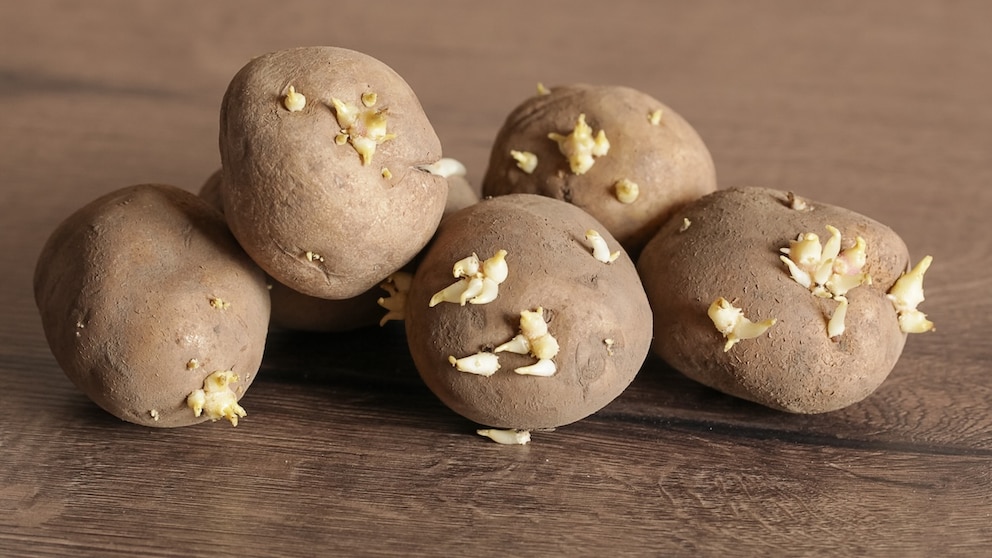
In many households, it’s common to find potatoes with small sprouts in the pantry. Especially with longer storage or suboptimal conditions, tubers sprout quickly. But can you still eat sprouting potatoes, or should you dispose of them immediately? myHOMEBOOK has the answers.
Follow myHOMEBOOK on WhatsApp now
Why Do Potatoes Sprout in the Pantry?
The sprouting of potatoes is a completely natural process. Botanically, the tuber is a storage organ that holds energy for the growth of a new plant. When several factors come together, this reserve is activated.
Potatoes are sensitive to light, warmth, and moisture. Even small amounts of residual light in the kitchen or pantry can stimulate the tuber to produce growth-active substances. Temperatures above about seven to ten degrees Celsius further enhance this effect. Beyond this range, the tuber sends out signals that favor sprouting. Longer storage times also play a role: The longer the potato sits, the more it breaks down natural inhibitors that are meant to delay sprouting.
For these reasons, even initially perfect potatoes in a typical household often sprout. This is especially noticeable during the heating season when living spaces and pantries tend to be warmer than recommended.
Can You Still Eat Sprouting Potatoes?
It depends on the extent of the sprouting.
Small Sprouts on the Potato
Potatoes with short sprouts up to about one centimeter long and without green spots can still be processed after removing the sprouts and peeling thoroughly. The glycoalkaloid levels in such cases are generally not high enough to cause acute health problems, according to the aok.
Note: Glycoalkaloids are natural, bitter protective substances of the potato plant that can be harmful in higher concentrations. According to the Federal Institute for Risk Assessment (BfR), potatoes primarily contain α-solanin and α-chaconin.
How to Store Potatoes Properly to Keep Them Fresh Longer

How to prevent potatoes from sprouting
Strong Sprouting on the Potato
If the sprouts are longer, many shoots appear, or the skin shows a distinct green coloration, the potato should no longer be eaten. The same applies to soft, shriveled, or damaged tubers. Elevated glycoalkaloid levels can lead to nausea, stomach pain, vomiting, and diarrhea, according to the BfR. Occasionally, neurological symptoms are also described.
Related: Surprisingly! Potato is the Poisonous Plant of the Year 2022
Storage Tips
For the longest possible shelf life, potatoes should be stored in a dark, cool, and dry place. Ideal temperatures are between four and six degrees Celsius, as found in an unheated cellar or pantry. Light promotes both sprouting and the formation of green spots, so open shelves in the kitchen or translucent bags are unsuitable. Better options are breathable boxes, baskets, or paper bags where moisture cannot accumulate. It’s also advisable to keep them away from apples, pears, or onions, as these foods release ethylene or moisture, accelerating the aging process of the potatoes. Regularly checking the supplies helps to sort out damaged, soft, or already sprouting tubers in time. This keeps the remaining stock fresh and sprout-free for longer.