


October 6, 2026, 3:17 pm | Read time: 4 minutes
If the expiration date has passed, spices often end up in the trash. However, the date doesn’t automatically mean that paprika, pepper, and the like can no longer be used. It’s much more important to carefully check the smell, taste, and texture. With a few simple checks, you can determine whether a spice still belongs in the pan or should indeed be discarded.
Follow myHOMEBOOK on WhatsApp now
Spices in Different Forms
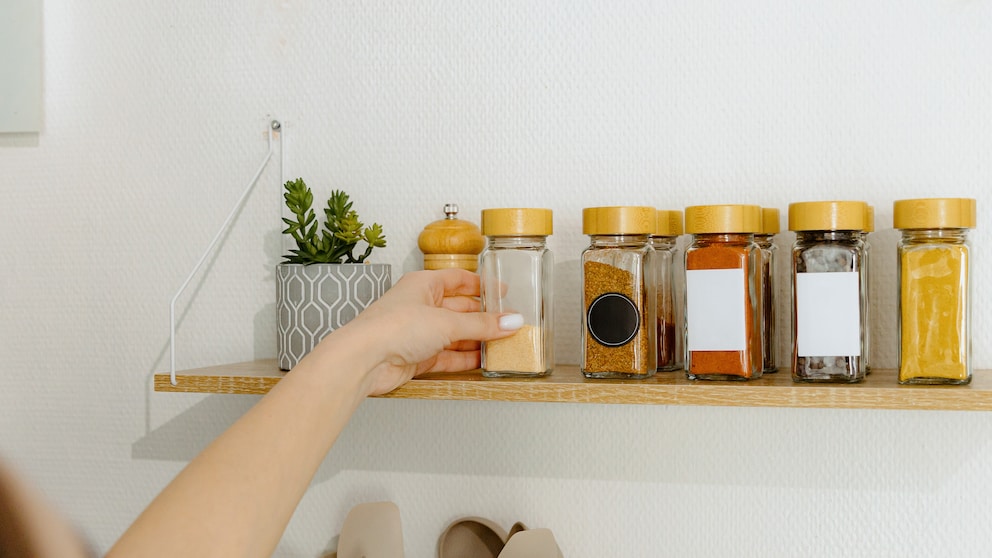
Cooking enthusiasts use spices in all forms, ground, whole, or freshly picked from their own herb garden. Generally, dried and ground spices in convenient shakers last a long time, but only for a limited period. “Consumers should only buy small quantities of ground spices. It’s best to transfer them into clean, airtight containers and store them in a dark, dry place,” recommends an employee of the BZfE, if the spices aren’t already in such a container. This is because spices lose their flavor potency just a few months after grinding.
For aromatic reasons alone, it’s worth buying ginger, cardamom, nutmeg, peppercorns, and cinnamon sticks whole. “Grinding as needed creates more surface area that can react with oxygen. This process releases the essential oils and other aromatic substances trapped in the whole spices,” explains the BZfE spokesperson.
At the same time, it’s better for shelf life if the spices are in whole form. Most spices then last up to four years. Anise, dill seeds, coriander seeds, or cloves are good for up to five years.
Also interesting: What does the expiration date on food actually mean?

Which Cooking Oils Should Be Refrigerated and Which Shouldn’t?

These Foods Have an Almost Unlimited Shelf Life
Improper Storage Reduces Shelf Life
Improper storage often reduces the enjoyment of spices. Here, the criticism is directed at kitchen planners. In many kitchens, spices end up in a small cabinet above the stove. “Next to or above the stove, where steam rises, is not a good storage place,” says the BZfE spokesperson, advising: “Store spices a bit away from moisture and heat in a cabinet or drawer.”
It’s not just about losing aromas, but also about health. Spices can harbor bacteria that multiply rapidly in a moist and warm environment. Especially when preparing salads or other dishes that aren’t heated afterward, the consequences can be unpleasant digestive issues.
Hygiene plays a significant role in cooking. The very popular TV cooking shows don’t always serve as good examples in this regard. The BZfE spokesperson points to a study by the Federal Institute for Risk Assessment (BfR) titled “Kitchen Hygiene in the Spotlight.” “The BfR has shown what TV chefs do wrong when preparing food. Reaching into the salt or spice container with hands was a mistake.”
Hands Off
Therefore, it’s best to keep hands out of the spice container and use a spoon or shaker for seasoning. Also, don’t handle spices directly over steaming pots or pans, but rather add them to the dish from the side. “Otherwise, moisture gets into the shaker or container, reducing shelf life.”
Whether sweet paprika powder or ground rosemary is still edible two years after the expiration date or should be thrown away can be determined by a taste and smell test. The same factors apply as with any other food whose shelf life has officially expired:
- Does the spice look the same as always, or are there spots, pests, flakes, mold, rotten or slimy areas visible?
- Does the spice smell the same as always, or does it have a musty, rancid, foul, or unpleasant odor?
- Does the spice taste the same as always, or is it rancid, musty, stale, unusually bitter, or somehow altered?
Finally, the BZfE advises regularly checking your spice supplies and sorting out particularly old items. You can’t expect much flavor potency from them anymore.