

September 29, 2026, 10:27 am | Read time: 2 minutes
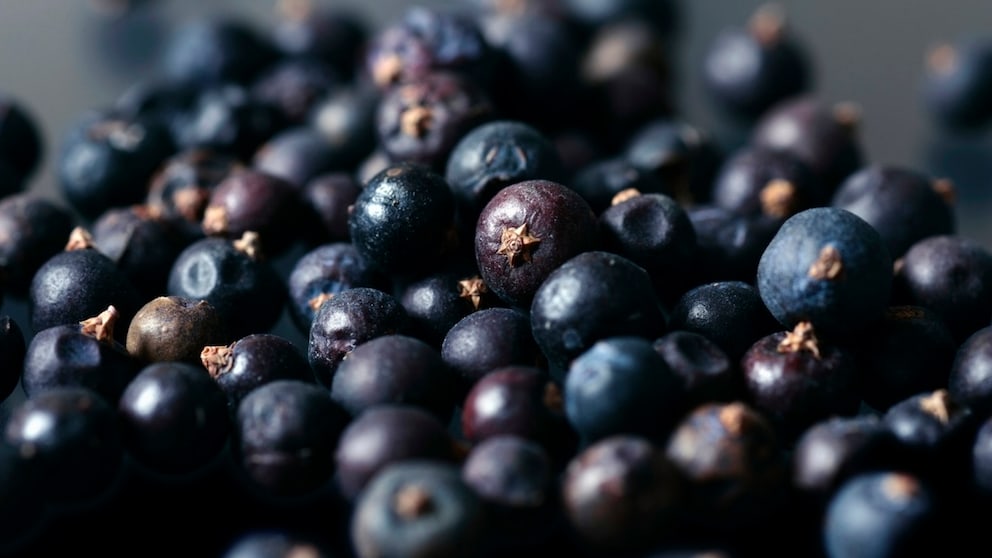
If you want to bring the scent of a pine forest to your plate, you can turn to a classic spice: juniper berries give many dishes a distinctive note. However, to ensure the intense aroma is fully appreciated, there are a few points to consider when using and storing them.
Spicy Companions for Game, Sauerkraut, and Sauces
Juniper berries are characterized by a resinous, slightly sweet, and at the same time peppery aroma. They are particularly often used in the kitchen for game dishes and sauerkraut. According to the Federal Center for Nutrition (BZfE), the dark berries are also suitable for sauces, soups, as well as pickled vegetables and other preserves.
Lightly Crush Before Cooking
To better release the essential oils they contain, the BZfE recommends lightly crushing the berries before use. Due to their strong flavor, they should be used sparingly.
Also of interest: 5 Curious Facts About Well-Known Foods
For cooking, herb sachets or tea eggs are ideal. This way, the berries impart their aroma to the dishes without ending up on the plate and can be easily removed before serving.

Which Cooking Oils Should Be Refrigerated and Which Shouldn’t?

The best apple varieties for different uses
Proper Storage Preserves the Aroma
In stores, juniper berries are usually available in dried and whole form. They are traditionally said to make dishes more digestible. To preserve their characteristic flavor, they should be stored in a cool, dark, and dry place. Occasionally, they are also offered ground.
Caution Is Advised When Collecting
Those who wish to harvest juniper berries themselves can do so after the first frost. However, the Nature Conservation Union Germany (Nabu) Berlin points out that botanically speaking, they are not berries but cones.
Special attention is required when collecting: Only the common juniper should be picked. Many other juniper species are considered toxic. According to Nabu, this includes the savin juniper (Juniperus sabina), which is common in the Alpine region and whose components can be harmful to human health.
With material from dpa