


October 20, 2025, 3:00 am | Read time: 4 minutes
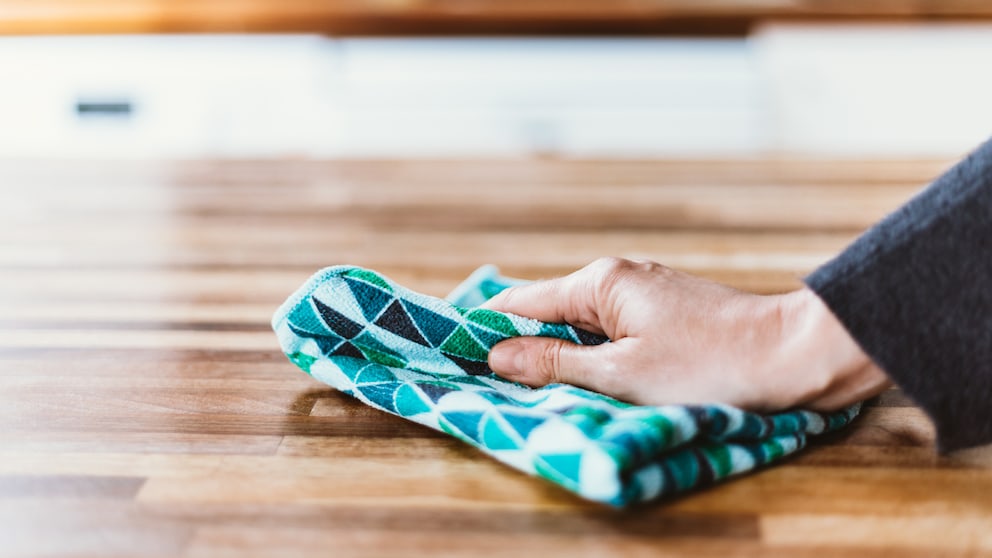
A large work surface in the kitchen creates a charismatic look. To maintain it for as long as possible, regular care of the surface is necessary. Find out what you can do and why maintaining a solid wood countertop is so important here.
The countertop is likely the most heavily used area in a kitchen every day. To keep the surface in an appealing and functional condition for as long as possible, regular maintenance is required. Especially with a natural material like wood, which is constantly changing, gentle measures such as oiling and sanding significantly extend its lifespan. Learn what care a solid wood countertop needs here.
The Strains on a Solid Wood Countertop
A solid wood countertop is subjected to many strains daily, making regular maintenance even more important. While wood is extremely robust, it is also very sensitive. As an absorbent material, it quickly takes in water or other liquids, often leading to unsightly stains on the surface.
Hot pots should not be placed directly on the solid wood countertop without a trivet. Cutting vegetables directly on the countertop instead of a cutting board can also be problematic. Sharp and pointed objects are as detrimental to the longevity of the countertop as discoloration from constant light exposure, aggressive acids, spilled drinks and food, or grease and oil splatters.
General Measures for Maintaining a Solid Countertop
It is recommended to use oil for maintaining a solid wood countertop. Avoid using varnish, as it seals the pores of the natural material and prevents both the surface and you from breathing properly. Ideally, the humidity in the kitchen should always be between 40 and 60 percent, preventing the wood from drying out and cracking or swelling unattractively over time.
It is also beneficial for the material and its longevity if the countertop is not exposed to constant light or heat from nearby heaters. This can also lead to drying out, discoloration, or even fading of the wood over time.
Regular Cleaning
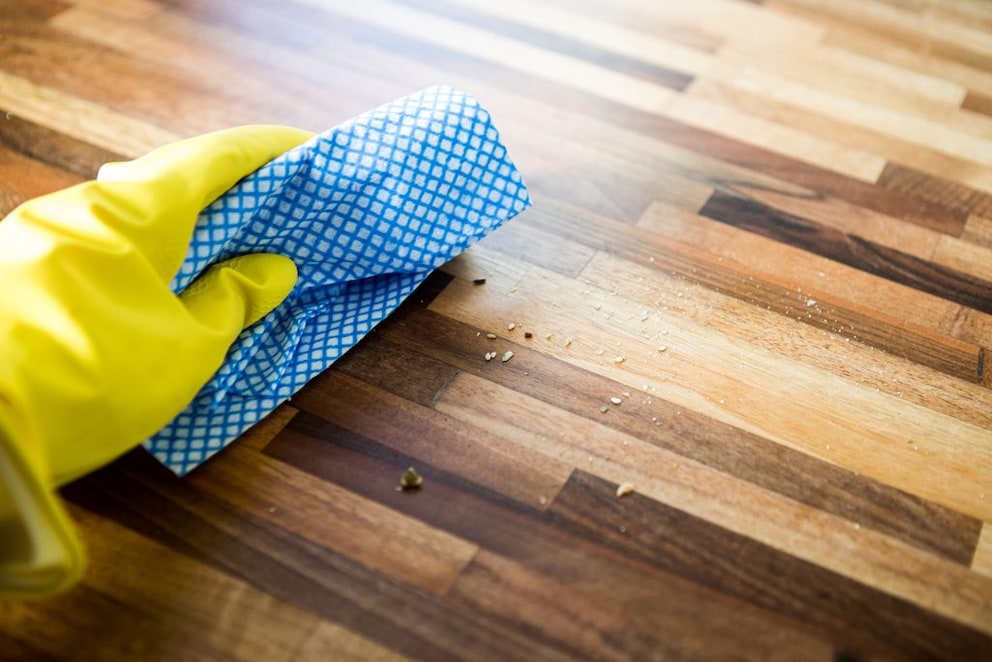
It is fundamentally important to clean a solid wood countertop regularly, ideally daily. Wiping the entire surface with a slightly damp cloth protects against gradually accumulating dirt.
For simple moistening, a wide range of cleaning agents is not necessary. For basic cleaning, only lukewarm, soapy water is needed. The cloth should not be soaked in too much moisture, as standing, excess water can penetrate the surface and cause the material to swell. Caution is also advised with overly aggressive and acidic cleaners, as they can cause more harm than good to the surface.
Also interesting: 6 Practical Tricks to Make Your Wooden Furniture Look Like New Again
How to Keep Your Hardwood Floors Beautiful for Decades

How to Give Old Wooden Furniture a New Look
Oil as a Rejuvenation Treatment
Oiling a solid wood countertop is essentially a rejuvenation treatment. Not only does this care measure have a revitalizing effect on the material, but it also protects against drying out and cracking.
A regularly oiled work surface is resistant to liquids and other everyday dirt. Additionally, treating with oil highlights the unique character of the natural product, emphasizing the special grain of the wood.
The market offers many different oil products, some specifically for various types of wood. Hard oil and linseed oil are particularly recommended, as they saturate and protect the wood, resulting in a smooth, silky sheen. Olive oil and soybean oil are less advisable, as they do not harden. Since a treated surface wears down over time, such maintenance should be performed about two or three times a year for lasting protection of the solid wood countertop.
Sanding a Solid Wood Countertop
Because a countertop is in constant use for years and occasionally suffers some damage, an oil surface treatment may no longer suffice. For deeper stains, scratches, or even dents, a new sanding is necessary. Water stains or glass rings can be effectively removed with fine sandpaper (320 to 400 grit).
For more stubborn sauce or grease splatters, coarser sandpaper (240-320 grit) is needed. For tough cases like scratches, dents, or dings, use particularly coarse sandpaper (120 grit) and then follow up with a finer one (240 grit). It is important to sand carefully and evenly in the direction of the grain. Afterward, thoroughly remove fine dust residues from the solid wood countertop and apply a little more oil to the surface. This creates a fine, smooth surface that should rest and not be used for about 12 hours.