



January 2, 2026, 5:12 am | Read time: 5 minutes
Parquet is among the highest-quality flooring options. Its pleasant texture, natural appearance, and long-lasting durability have convinced people for generations. For carpet or design floors, a vacuum cleaner or floor mop suffices. The natural material wood in parquet demands different care. When maintaining parquet floors, there are several things to consider.
Parquet Variants: Not All Wood Is the Same
Before moving on to maintenance, it’s worth looking at the different types of parquet. Multi-layer parquet (also known as engineered parquet in stores) has only a thin top layer made of fine woods. Below that is a thicker support layer, usually made of softwood. The top layer is typically only between two and a half and six millimeters thick, which affects maintenance options.
Solid wood parquet, on the other hand, is made entirely of the same (more expensive) fine wood. This allows the surface to be sanded multiple times, restoring long-lost shine. Whether used as solid wood or just as a top layer, parquet primarily features beech, walnut, or ash.
The original surface treatment is crucial for maintenance. Three variants have become established:
- Lacquer: This seals the surface to protect the floor from moisture and dirt.
- Oil: Oiled parquet keeps the wood’s pores open. It can breathe, and damaged areas can be more easily repaired.
- Wax: In this case, oiling the planks forms the basis for a wax layer applied on top. The wax seals the pores, providing protection against moisture and shine.
Daily Care for Parquet
Many people fear that parquet is particularly delicate and must be treated like the proverbial raw egg. However, this is not true. Regular quick cleaning is straightforward. Loose dust and dirt are removed by sweeping or vacuuming. A parquet nozzle should be used with the vacuum cleaner. Brushes or textile materials transport dust to the suction opening while preventing sharp edges and metal from scratching the floor. Many vacuum manufacturers also offer textile rollers as attachments.
Heavier dirt is removed by mopping. However, the principle “less is more” applies here. Standing water must be avoided. Using a special soap for wood floors is recommended. For lacquered floors, it’s best to mop only with a damp cloth.
Note: Scouring sand, aggressive cleaners, microfiber cloths, or steam cleaners should not be used on parquet.
Related: Overview of Typical Parquet Types
Oiling Preserves Beauty and Protects the Wood
Just as you might treat your facial skin with regular cream, oiling parquet floors works similarly. The oil penetrates deep into the wood, strengthening the fibers and increasing their resistance to moisture and dirt. Since oil doesn’t form a uniform layer like lacquer, the wood’s breathability isn’t restricted.
How often re-oiling is advisable depends on the floor’s usage. In the living room, once or twice a year should suffice. If the floor is in commercial spaces or entryways, more frequent oiling may be necessary.
The parquet indicates when it needs oil again. If the wood appears dull and pale or certain areas feel rough, it’s time for more intensive care. Rough spots suggest the protective layer is completely worn off, allowing dirt to penetrate directly into the wood.
Before oiling, the floor must be thoroughly cleaned and completely dust-free. Apply oil with a brush along the edges, spread it on the main area with a squeegee, and let it sit for at least 15 minutes. Remove excess oil on the surface with lint-free cotton cloths.
Warning: Used cloths can self-ignite. Do not simply leave them lying around. Store them in a metal container with a lid, as fire needs oxygen.
Once the excess oil is removed, the floor should be left undisturbed for 24 hours before being walked on or having furniture moved back in.
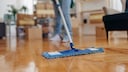
How Often You Should Clean Hardwood Floors

How to Properly Maintain a Solid Wood Countertop
Waxing: An Additional Protective Layer
Waxing the floor is an additional option for treating parquet. It is usually done after oiling. Combo products, such as hard wax oil, which combine oiling and waxing, can save time. Wax adds another layer to protect the wood. It fills the wood’s pores but doesn’t completely seal them.
Again, the frequency of treatment depends on the floor’s usage. It doesn’t hurt to wax at the same interval as oiling.
Sometimes, Only Sanding Helps
Despite the best care, time takes its toll on a natural product like wood. Eventually, re-oiling and waxing are no longer enough. The parquet shows signs of wear, such as more or less deep scratches. Not every resident of a home regularly cares for the floor intensively. Even with maintenance, after 10 or more years, a complete overhaul of the parquet is advisable.
Solid wood parquet can be sanded multiple times over the years due to its thickness. Professional sanding results in a material loss of about half a millimeter. With multi-layer parquet, caution is advised due to its limited substance.
Sanding is done in several passes with different grits. The coarse sanding removes old sealant and heavy dirt. Intermediate sanding eliminates unevenness, and fine sanding results in a smooth surface. Afterward, resealing with oil or lacquer is done.
If you dare to sand yourself, practice using the sanding equipment beforehand. Even slight tilting or lingering too long in one spot can leave deep grooves. The sanding machines exert tremendous force.