

August 24, 2026, 11:38 am | Read time: 2 minutes
After a meal, leftover pasta often ends up in the fridge. But how long does cooked pasta actually last, and what should you consider when storing it? By following a few important rules, you can avoid food waste and ensure that pasta stays fresh longer.
Cool Cooked Pasta as Quickly as Possible
If pasta is left over after a meal, it should be placed in the refrigerator promptly. According to the “Too Good for the Bin” initiative, it can last several days there. It’s a different story if cooked pasta is left at room temperature: Bacteria can multiply quickly.
To keep pasta, spaetzle, or gnocchi edible for as long as possible, it’s advisable to follow some basic rules. Pasta should only be cooked until al dente. The cooking times on the packaging provide guidance. Spaetzle and gnocchi are done once they rise to the surface of the water.
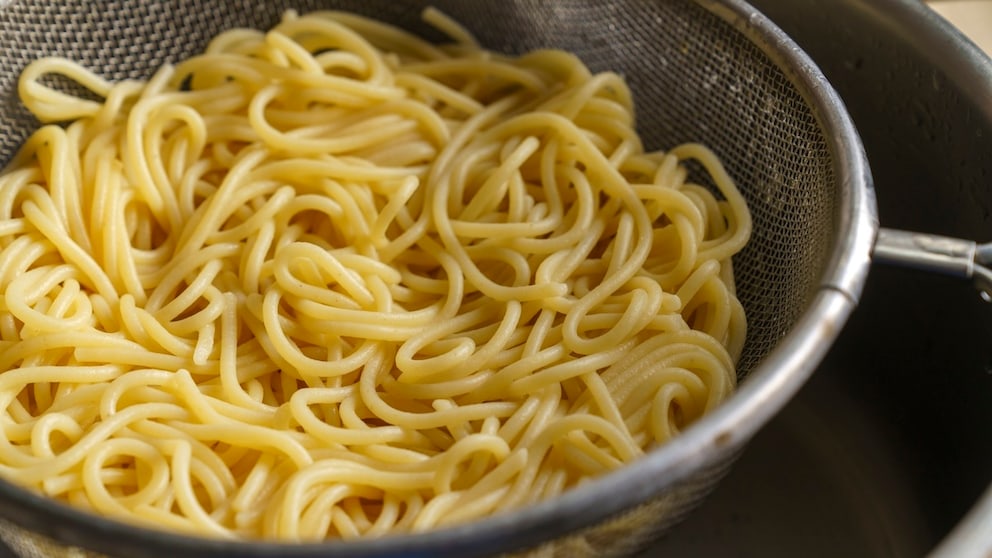
After cooking, a little oil helps prevent the pasta from sticking together. For storage in the refrigerator, a well-sealed container is suitable to prevent the pasta from drying out and becoming hard.
Ensure Even Heat When Reheating
Leftover pasta dishes should be thoroughly reheated to avoid germs. Caution is especially needed with microwaves, as food may not always heat evenly. It’s also recommended to use your sense of smell before consuming.

Can You Really Not Reheat Mushrooms? Expert Explains

Is Last Year’s Barbecue Sauce Still Good?
Fresh Pasta Is Only Good for a Few Days
Both fresh and dried pasta are available in stores. Fresh pasta, spaetzle, and gnocchi last about three to four days in the refrigerator. Since these products are particularly sensitive to germs, they should be kept as cool as possible during transport, especially on warm days.
Properly Store Dry Goods
Dried pasta is best stored dry, well-sealed, and at room temperature. This not only preserves quality and taste but also makes it less attractive to pests like pantry moths. Under these conditions, dry goods can often be used years past their best-before date.
However, the consumer advice center notes an exception for pasta with whole grains, eggs, or vegetables. These should be consumed by the best-before date.
Equally important is maintaining a consistent storage climate. Significant temperature fluctuations or changing humidity can affect quality. Therefore, places directly next to the stove, dishwasher, or window are unsuitable. Instead, a well-ventilated pantry or airy storage room at temperatures between 59 and 68 degrees Fahrenheit is recommended.
With material from dpa