


September 25, 2025, 9:55 am | Read time: 3 minutes
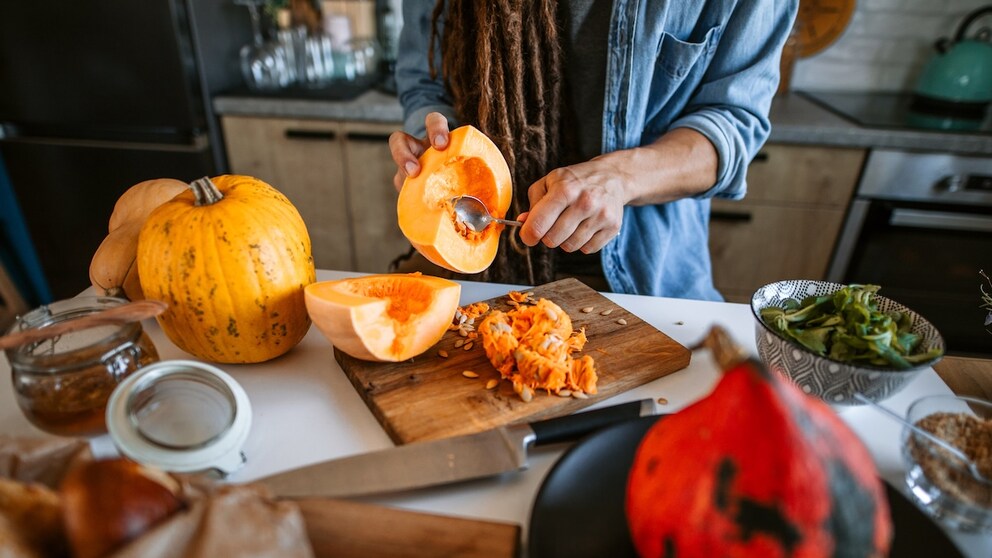
If you planted pumpkins in your garden in the spring, you can finally harvest them in the fall. You can also buy the orange and yellow fruits in supermarkets during the autumn months. If you follow a few storage tips, pumpkins can remain fresh for a long time.
If you harvest more pumpkins than you can eat, make sure to store them properly. This way, you can enjoy your harvest throughout the cooler autumn months and prepare many delicious soups and sauces. For pumpkins from your own garden, remember: always taste them first!
Bitter Taste? Always Taste Pumpkins First
Especially with pumpkins from the garden, you should always taste the fruit before cooking. Pumpkins, particularly hybrids and older varieties, can contain cucurbitacins. These are bitter compounds that you can taste. The dish would not only have a bitter note, but cucurbitacins are toxic and can lead to gastrointestinal issues and poisoning.
Supermarket pumpkins are varieties bred to have minimal bitter compounds. However, cross-pollination in your own garden can lead to the development of these compounds. So, taste a small raw piece before cooking. If it tastes bitter, spit it out immediately and discard the fruit. This small safety check can prevent self-poisoning.
Related: When Zucchini from the Garden Can Be Toxic
Proper Pumpkin Storage
Depending on the variety, pumpkins have different shelf lives. However, they all last longest in a cool, frost-free place. Ten to fifteen degrees Celsius is ideal. As the Consumer Advice Center informs, it’s important not to store pumpkins too cold. If the flesh freezes even briefly, it begins to rot and should not be consumed.
In addition to mild temperatures, ensure a dry location. Moisture promotes mold growth. Dark, cool, and well-ventilated areas like basements, pantries, and unheated hallways are suitable. Also, do not remove the stem, as it protects against germs and drying out. Leave space between the fruits to allow air circulation.
Is an oversized zucchini still edible?
What to Consider When Freezing Pumpkin
Where to Store Cut Pumpkin?
If you only need part of the fruit, it’s advisable to store the cut pumpkin in the refrigerator. An airtight container is ideal. The low temperatures prevent the spread of germs. Additionally, the flesh is protected from sunlight in the fridge. However, according to the Consumer Advice Center, you should use the pumpkin within four days.
How Long Does Pumpkin Last?
There are about 850 different pumpkin varieties worldwide. Winter pumpkins like Hokkaido, butternut, and muscat squash can last between two and six months if stored properly. Ornamental pumpkins are not edible but serve as decorative elements in gardens or homes during the autumn months. Cut pumpkin should be used quickly, remaining edible for about four days.
Tip: In the freezer, pumpkins are particularly long-lasting. To freeze them, peel the fruit, remove the flesh, and wash it. Then cut into small pieces and place in a freezer bag. The pumpkin will last between eight and ten months this way. It remains edible for up to 12 months if blanched briefly beforehand, meaning steamed in hot water. If you freeze pumpkin puree or pre-cooked soup, it can be stored in the freezer for about six to eight months.