

November 3, 2026, 5:24 am | Read time: 3 minutes
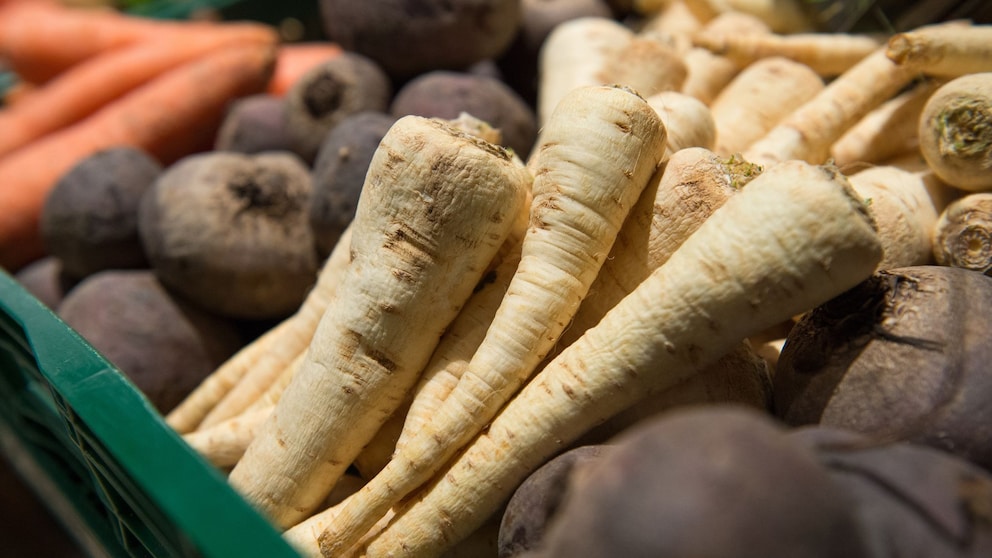
Root parsley brings a strong parsley flavor with a hint of anise to the table. The preparation, however, is often less enjoyable: The narrow, crooked, or branched roots can be difficult to handle with a vegetable peeler. But in many cases, this work can be skipped.
Follow myHOMEBOOK on WhatsApp now
The Skin of Root Parsley Can Stay On
Unlike salsify, root parsley does not necessarily need to be peeled. “Peeling is not absolutely necessary,” explains the Federal Center for Nutrition (BZfE).
Instead of reaching for a vegetable peeler, the roots should be thoroughly cleaned under running water before preparation. A vegetable brush can help with any clinging dirt. Damaged areas should be cut out, and then the ends removed. Depending on the dish, root parsley can then be grated or cut into slices, sticks, or cubes.

Can You Freeze Asparagus?

How to Properly Clean Leeks
Root Parsley Can Be Prepared in Many Ways
This white root vegetable can be served both raw and cooked. It pairs well with carrots, for example. Root parsley is suitable for soups and stews, but also for salads, casseroles, and as roasted vegetables.
Also interesting: Why egg yolks are sometimes pale and sometimes bright orange
As a side dish, the roots can be sliced thinly and then sautéed in a little butter. A creamy puree can also be made from it. The BZfE recommends the following method:
- Cut the roots into pieces.
- Cook the pieces until soft with some broth, milk, or a plant-based alternative. The liquid should mostly evaporate.
- Puree the cooked vegetables.
- Add butter or margarine and season the puree with salt and a bit of nutmeg.
Smaller Root Parsley May Be a Better Choice When Shopping
When buying, it’s worth taking a close look: Fresh root parsley should be firm and crisp, with no signs of rot or pest damage. The BZfE also recommends choosing smaller specimens. They are generally more tender and have a finer aroma.
In contrast, the core of particularly large and older roots can be fibrous. Therefore, it’s advisable to cut the root in half before preparation and check for woody areas. It’s better to remove such parts, as even prolonged cooking doesn’t necessarily make heavily woody sections tender.
If root parsley is sold with leaves, they should look fresh. A missing tip, however, is not a reason to leave the root behind: According to the BZfE, this is typical of the product and does not indicate a quality defect.
With material from dpa