

November 11, 2022, 2:37 pm | Read time: 2 minutes
Drainage is essential for the health and growth of plants. Learn what it’s all about and how to proceed here.
If you have a garden in a low-lying area or with compacted soil (such as clay or loam), you’re familiar with the problem. During heavy or prolonged rainfall, the water can’t drain away. This creates a small lake, especially on the lawn, which affects the grass roots. Rot is a threat. Gardeners with properties in river valleys know this all too well. The soil there is always “heavy,” as they say. The only solution to such conditions is drainage. What exactly is it?
What is the purpose of drainage?
Drainage is a system for diverting rain or irrigation water. The simple version for the garden consists of slotted plastic pipes that allow water to enter. To protect against contamination, these are covered with a special fleece or sleeve. But that’s just the simplest part of the job. Installing drainage in the garden is quite a task.

Protect Plants from Waterlogging with Effective Drainage

Waterlogged Lawn? Expert Explains What to Do
How to install drainage in the garden?
Digging the trenches or channels for the drainage pipes is labor-intensive. Therefore, it’s better to rent a small excavator—especially with compacted soil. The channels should then be filled with a layer of gravel or crushed stone about 12 inches thick. If you lay the drainage pipes directly in the soil, the earth would clog them.
The water itself is then directed through the pipes into a soakaway, which channels it into deeper soil layers, a cistern, or the sewer system. The soakaway and cistern must be installed at the lowest point of the property. This facilitates easier drainage.
Important legal tips: If your rainwater flows into the public sewer system, sewage fees will apply. In many places, a permit from the municipality is also required for drainage. This is definitely needed if the garden drainage is connected to the house’s drainage system.
Drainage for plants
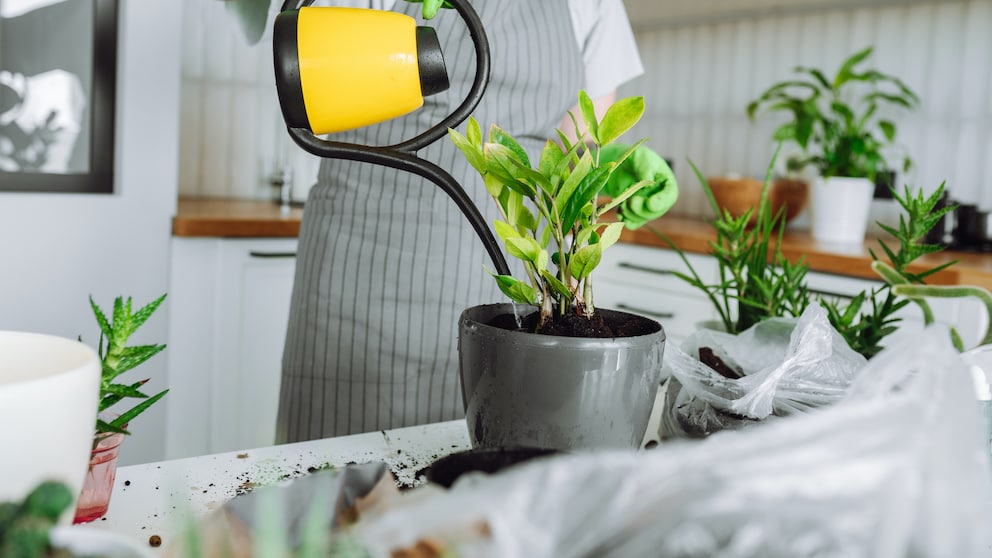
Drainage is not only useful for the entire garden but also for plants in containers or pots to prevent waterlogging. Essentially, it follows the “large” system for the garden, but no pipes are used here. Instead, a layered structure is used, typically consisting of expanded clay and a permeable fleece to prevent the drainage layer from clogging. Here you can learn how to create drainage for a flower pot.