


August 19, 2026, 11:12 am | Read time: 3 minutes
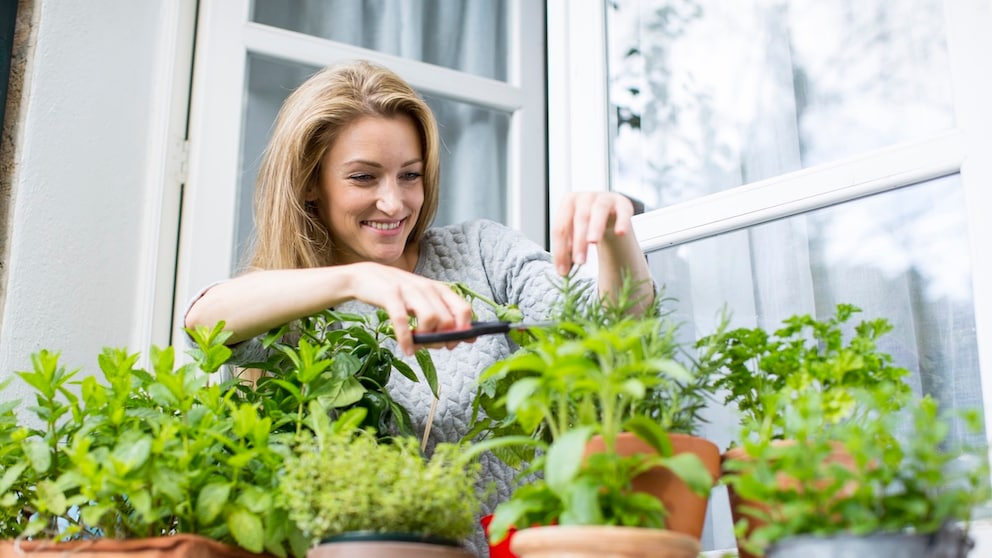
Fresh herbs from the balcony, windowsill, or garden are considered easy to grow. However, cultivating basil, parsley, chives, or rosemary doesn’t always go as planned. If the plants turn yellow, barely grow, or even die, typical care mistakes are often to blame. myHOMEBOOK gardening expert Franka Kruse-Gering explains which pitfalls hobby gardeners often overlook.
Why Herbs Die More Often Than Expected
Herbs have a reputation for being particularly easy to care for. After all, they are sold in large numbers in supermarkets, discount stores, and garden centers, giving the impression that anyone can grow them successfully. However, this impression can become a problem. Many hobby gardeners underestimate the demands of different types and assume that all herbs can thrive under the same conditions. In reality, their needs for location, watering, and soil can vary significantly. Those who are unaware of these differences can quickly make mistakes that hinder growth or even cause the plants to die.
1. Mistake: Treating All Herbs the Same
One of the biggest mistakes is putting all herbs in the same pot or caring for them in the same way. In fact, the plants have very different requirements. Mediterranean herbs like rosemary, thyme, sage, or oregano prefer dry, nutrient-poor soils and lots of sun. In contrast, parsley, chives, or chervil prefer consistently moist soil and can also tolerate partially shaded locations.
Planting herbs with different needs together makes it difficult for at least one type. It’s better to cultivate plants with similar requirements together.
2. Mistake: Watering Too Often
Many herbs die not from dryness but from too much water. Mediterranean varieties, in particular, are sensitive to constantly wet soil. Waterlogging can cause the roots to rot and the plants to die.
Therefore, it’s worth doing a quick finger check before watering: If the top layer of soil still feels moist, it’s usually best to wait. Plant containers with drainage holes are also important to allow excess water to drain away.
How to Keep Cut Herbs Fresh Longer
Parsley Not Growing? Watch Out for These Care Mistakes
3. Too Little Space for the Roots
Herbs from the supermarket often end up directly on the windowsill with their root ball. The problem is that the plants are usually sown very densely and have little space for their roots.
To enjoy the herbs for a long time, they should be divided after purchase and placed in larger pots or in the garden bed. There, the roots can develop better, making the plants more robust and promoting growth.
4. Harvesting Incorrectly or Too Infrequently
Many hobby gardeners only pluck individual leaves or cut back herbs only when they have already grown significantly. This can cause the plants to become leggy, woody, or produce fewer new shoots.
It’s better to harvest herbs regularly. Whole shoot tips should be cut off. This encourages branching and results in bushy growth. Basil, in particular, benefits from this method and often provides fresh leaves for a much longer time.