


March 24, 2026, 4:52 am | Read time: 3 minutes
Fresh herbs add aroma, color, and often an extra portion of nutrients to prepared dishes. But as soon as they are harvested from your own garden or bought at the supermarket, they quickly wilt. With the right tips, basil, parsley, and others stay fresh much longer.
Why Do Herbs Wilt So Quickly?
Herbs are largely composed of water. Once cut, they are no longer supplied through the roots. The moisture is lost, causing the cells to lose their structure and the essential oils to evaporate. These oils are responsible for the plants’ aroma.
This process is accelerated by heat, light, and improper storage. This means that storing cut herbs incorrectly significantly contributes to their faster wilting. Conversely, this also implies that herbs stay fresh longer if you follow a few tips.
Basic Rule: Do Not Treat All Herbs the Same
The term “herbs” encompasses various aromatic, mostly herbaceous plants. Depending on their nature, they require different conditions to thrive. Generally, when storing, a distinction is made between:
- soft, tender herbs: parsley, chives, cilantro, dill, mint
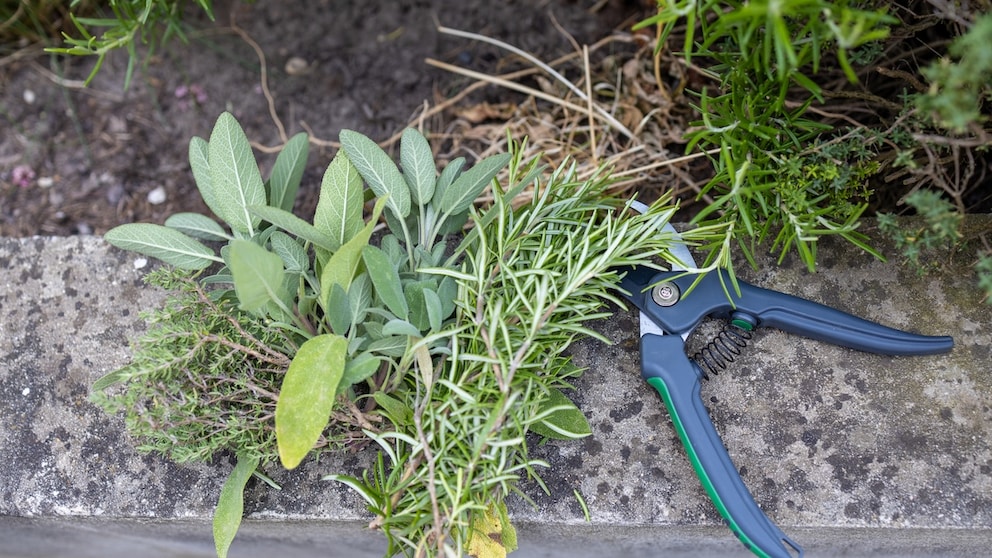
- robust, Mediterranean herbs: rosemary, thyme, sage, oregano
- special case (sensitive): basil
Treat soft herbs like a bouquet of flowers
Tender herbs stay freshest when stored like cut flowers. Specifically, this means:
- Trim the stems fresh at the bottom.
- Place the herbs in a glass with some water. This should be changed daily.
- There is a small difference from cut flowers: Cover loosely with a plastic bag and place the herbs in the refrigerator.
Alternatively, you can wrap soft herbs in a damp paper towel and place them in an airtight container. These are best stored in the vegetable compartment of the refrigerator, according to the Federal Center for Nutrition (BZfE). This way, the herbs remain crisp for several days.
Store Mediterranean herbs in an airy and dry place
Herbs that originally come from the Mediterranean regions prefer to grow in sunny and dry places. They are more robust and do not like it too moist. Therefore, they should be stored dry. It’s best to wrap them loosely in a piece of paper towel. This way, Mediterranean herbs can be stored in the vegetable compartment of the refrigerator.
Basil, the special case
Basil is sensitive to cold. Therefore, it cannot be stored in the refrigerator. It often develops dark spots and loses its aroma there. It’s better to trim the stems and place them in a glass of water. The herb can be stored at room temperature, loosely covered with a bag. When storing fresh basil, avoid direct sunlight to prevent the leaves from wilting quickly.

Drying Herbs–Preserve Their Aroma and Shelf Life

Should You Really Avoid Wrapping Fruits and Vegetables in Newspaper?
Harvest Herbs Fresh From the Balcony or Garden
When harvesting herbs, you can pay attention to various things to keep them fresh longer. It’s best to harvest them in the morning when the content of essential oils is particularly high. Also, use sharp scissors or a knife to avoid crushing the stems. And it helps: Only harvest as much as you actually need.
By the way: Moisture shortens the shelf life of harvested herbs. Therefore, lightly soiled herbs should be washed just before use.
Common Mistakes When Storing Fresh Herbs
When storing herbs from the supermarket, always remove the plastic packaging. The packaging is mainly intended for transport and sale. Condensation builds up in the plastic. Moisture promotes rot, causing the herbs to spoil faster.
Additionally, make sure not to store herbs next to strong-smelling foods like onions, cheese, or garlic. The plants easily absorb foreign odors, which can overpower or alter their delicate aroma. When storing fresh herbs, avoid an environment that is too cold or too warm.