


May 21, 2026, 4:57 am | Read time: 3 minutes
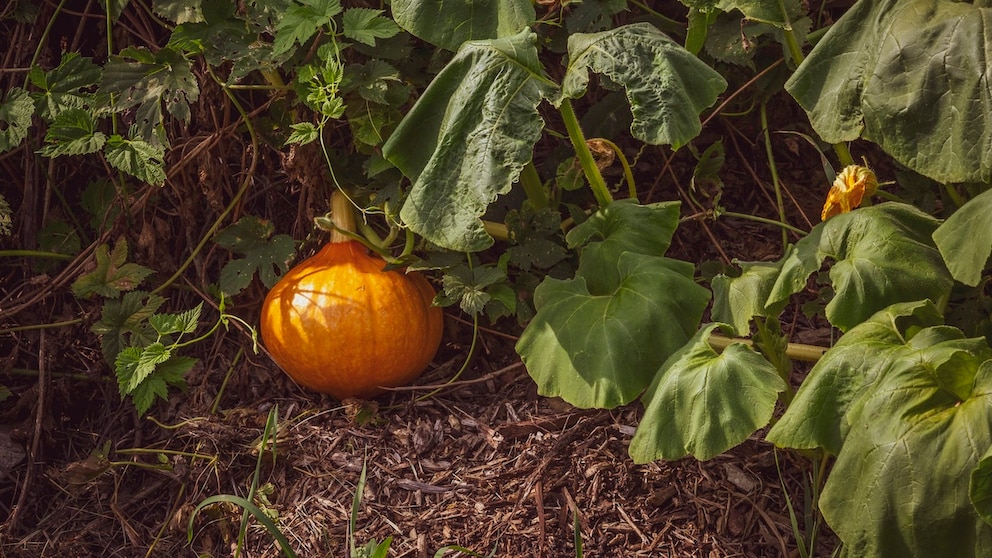
Pumpkins are among the most rewarding plants in the vegetable garden. Whether it’s Hokkaido, butternut, muscat squash, or giant Halloween pumpkins—these heat-loving heavy feeders reward good care with impressive growth and abundant fruit. However, because pumpkins seem robust, mistakes in cultivation often occur, which can jeopardize yield, fruit quality, or even the entire harvest. Those who know the typical pitfalls can take targeted countermeasures. myHOMEBOOK gardening expert Franka Kruse-Gering identifies five common mistakes and explains how to do better.
1. Mistake: Sowing or Planting Too Early
Many hobby gardeners sow pumpkins very early to start the gardening season as soon as possible. However, this can cause problems. Pumpkins need high temperatures and sufficiently warm soil. If the ground is still too cold, the seeds germinate slowly or start to rot. Seedlings that are started too early often develop poorly. They grow unstable, become weak due to lack of light, and struggle after being transplanted. Patience pays off. Pumpkins grow more reliably when sowing and planting times are carefully coordinated.
2. Mistake: Wrong Location
Pumpkins need plenty of sun and enough space to develop healthily. A shady or windy location often significantly slows growth. The plants produce fewer flowers, and the fruits often remain smaller. Heavy or compacted soils can also cause problems because water accumulates and roots grow poorly. Ideal conditions are loose, humus-rich soils in a sunny and sheltered location. Considering the plants’ needs creates better conditions for strong shoots and a successful harvest.
3. Mistake: Not Enough Nutrients for Heavy Feeders
Pumpkins are heavy feeders and require many nutrients for vigorous growth and good fruit development. If the soil is not adequately prepared before planting, the plants often remain weak. Pale leaves, slow growth, or small fruits can indicate nutrient deficiency. Compost or well-rotted manure significantly improves nutrient supply. Even during the growth phase, pumpkins need regular nutrients. Good soil quality is the foundation for healthy plants and larger, flavorful fruits.
4 Reasons Zucchini Leaves Turn Yellow
How to Successfully and Reliably Grow Salad Greens
4. Mistake: Plants Are Too Close Together
Many hobby gardeners underestimate how much pumpkin plants can spread within a few weeks. What initially seems small and space-saving quickly develops long vines and large leaves. If the plants are set too close together, they compete for light, water, and nutrients. At the same time, air circulation between the leaves deteriorates, making fungal diseases more likely. Moist areas dry more slowly, further increasing the risk of disease. Adequate planting distance ensures stronger growth, healthier plants, and significantly eases maintenance and later harvest.
5. Mistake: Not Enough Water
Pumpkins are largely made up of water. This means they should receive plenty of water as they grow. Watering should never be neglected with pumpkins. On hot days, it’s advisable to water the plants thoroughly once in the morning and once in the evening. Too little water can cause pumpkins to become too small, flowers to drop off, or wilted leaves to fail in providing sun protection. When watering, always focus on the root area. Wet leaves can promote fungal diseases.