


July 25, 2025, 4:32 am | Read time: 3 minutes
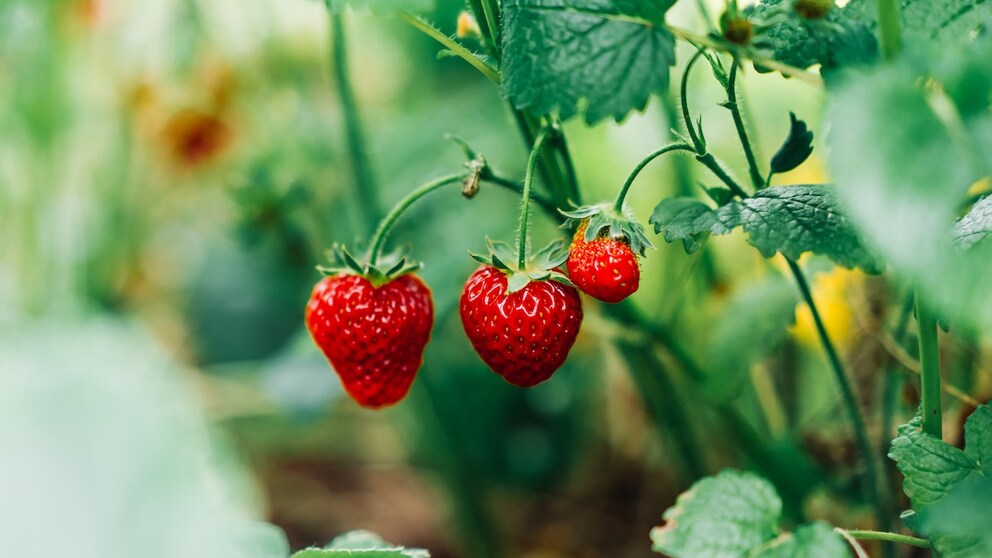
After the strawberry harvest is before the next season! Those who take care of their strawberries properly after the harvest will ensure plenty of sweet fruits next year. myHOMEBOOK author Katharina Petzholdt reveals what needs to be done.
The last strawberries have been picked, and a wild jungle of leaves spreads across the bed, some still fresh green, others already brownish and exhausted. Many gardeners now think it’s time to rest. But right after the harvest is when it is decided how bountiful the plants will be next year. The strawberry plants are already starting to prepare for the next round in the coming weeks. Those who support them will be rewarded with healthy plants and full harvest baskets.
Follow myHOMEBOOK on WhatsApp now
1. Remove the old leaves!
When the last fruits are harvested or by August at the latest, the first care step for once-bearing strawberries begins: removing the old leaves. Cut all the leaves, even the seemingly healthy ones, about two inches above the ground. Be sure not to damage the hearts of the plants. This radical cut allows new leaves to grow unburdened by diseases that may have spread on the old foliage.
Note: Ever-bearing strawberries are not cut back radically but are regularly pruned.
2. Remove mulch
Now is also a good time to remove any weeds and definitely the mulch material. Pathogens can especially persist in the mulch material and adversely affect the healthy growth of new leaves. It’s better not to dispose of the mulch on the compost heap, as potential pathogens could spread further in the garden.
3. Fertilize
Strawberries are hungry! After the harvest, they need a portion of fertilizer to regain strength and form flower buds for the next year. An organic berry fertilizer is ideal. Important to note: Don’t overdo it with the fertilizer! Too much nitrogen leads to lush leaf growth at the expense of fruit set.
Also interesting: Watering strawberries correctly for maximum yields – gardener shares tips
The Right Time to Plant Strawberries in Summer

How to Properly Care for an Apple Tree After Harvest
4. Gain or remove young plants
Strawberry plants are very prolific. They form runners, at the ends of which new strawberry offspring emerge. Under good conditions, the young plants can themselves form further runners, so that one young plant grows after another, lined up like pearls on a string.
If you want to expand your strawberry bed, you can now gain young plants. The best candidates are the seedlings closest to the mother plant, as they are usually the strongest. Leave them on the mother plant until they have formed their own roots. To ensure the small plants maintain good soil contact and establish more easily, you can gently secure them to the ground with a soil anchor. Once they have developed a strong root system, they can be separated and planted in a new location.
Young plants that are not needed should be consistently removed. They drain energy from the mother plant, which could be better used for preparing for the next season.
5. Apply new mulch
The hottest days of the year are likely still ahead. To prevent the freshly cut and fertilized strawberry bed from drying out too quickly, new mulch material can now be applied.