


December 29, 2025, 5:17 am | Read time: 4 minutes
A bonsai looks like a small work of art: delicate, elegant, and seemingly ageless. But for those trying this unique plant form for the first time, the question may arise: Isn’t a bonsai extremely demanding? The good news: Many easy-care species are perfect for beginners—as long as location, watering habits, and pruning are right. Here is a compact overview of bonsais for beginners.
What Makes a Bonsai Special?
The term bonsai translates to “tree in a pot.” Whether it’s a ficus, maple, or pine, many plant species can be cultivated as bonsai. The key is not the species but the form: Through pruning, wiring, and the limited root zone in the pot, the tree remains small and looks like a miniature version of its larger counterpart.
Important for beginners: Not every bonsai is highly complex. Some species are robust, grow easily, and forgive care mistakes.
Overview
The Best Bonsais for Beginners
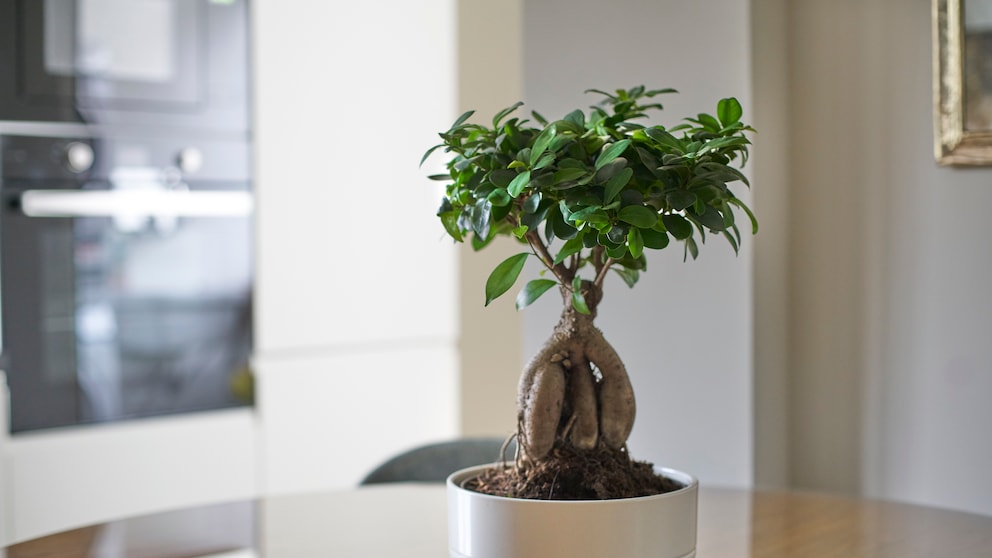
Ficus Ginseng–the Classic for Indoors
The ficus is the ideal starter bonsai. Why it’s so popular:
- Very robust
- Tolerates irregular watering
- Can handle less light
- Grows quickly and is easily shaped
- Perfect for bright living spaces, making it a great choice for those without a garden or balcony.
Chinese Elm–Easy-Care and Adaptable

The Chinese Elm is a bonsai that can be placed both indoors and outdoors, depending on the season. The advantages for beginners:
- Better tolerates watering mistakes
- Very pruning-friendly
- Forms beautifully branched crowns
- Relatively resistant to diseases
- Loves plenty of light but can also handle direct sun in summer.
Crabapple Bonsai–for Those Who Like It Decorative
The crabapple is a bonsai that can bear flowers in spring and even small fruits in fall. Why it’s well-suited:
- Undemanding
- Hardy and perfect for outdoors
- Very attractive with flowers and mini-apples
- Doesn’t like being indoors permanently—it’s an outdoor bonsai through and through.
Juniper Bonsai–Robust and Formidable for the Garden
Those with outdoor space can try a juniper. Its strengths:
- Very resilient
- Suitable for windy locations
- Grows slowly (practical for beginners)
- Ideal for classic wiring
- Important: The juniper needs sun and is best kept outdoors year-round.
Location: Where Bonsais Truly Thrive
The right location is crucial. For indoor bonsais (e.g., ficus, Chinese elm):
- Bright spot without direct midday sun
- No drafts
- Away from heaters (dries out)
- Outdoor bonsais (crabapple, spruce, juniper): Semi-sunny to sunny
- Preferably rain-protected
- Frost-hardy in winter—but the pot should be protected with burlap, for example
- A common mistake: Bonsais are placed in areas that are too dark indoors. They need much more light than many believe.
Watering Bonsais for Beginners: Less Complex Than Thought
Watering is crucial for bonsais, but not complicated:
- Water whenever the top layer of soil is dry.
- It’s best to submerge rather than just water from above: Place the entire pot briefly in water until no more air bubbles rise (similar to orchids).
- Then let it drain well to prevent waterlogging.
- Indoor bonsais need 2–4 waterings per week, depending on temperature.
Fertilizing: Small Trees Need Regular Nutrients
Because their root space and substrate amount are very limited, bonsais need regular fertilization during the growing season (spring–fall).
- Liquid fertilizer every two weeks or
- Special bonsai slow-release fertilizer every 4–6 weeks
- In winter, reduce the amount—or pause entirely, depending on the species.
Rubber Plant Losing Leaves? Here’s Why It Might Be Happening
Bonsai Losing Leaves? Common Causes
Pruning: It Doesn’t Have to Be Perfect
Many beginners are most apprehensive about pruning. However, it’s simpler than expected:
- Only trim new growth. Leave 1–3 leaves, cut back the rest.
- Thicker branches are shaped less often but more deliberately.
- For beginners, it’s better to prune cautiously and regularly than too rarely and then radically.
- The tree forgives small mistakes and continues to grow.
Repot Every Two to Three Years
To keep the bonsai healthy:
- Repot in spring
- Remove old soil, slightly trim roots
- Place drainage in the pot (e.g., lava stones)
- Use special bonsai soil, never regular potting soil!

Small Tree, Big Impact
“I try to keep our home as tidy and minimalist as possible—even though it’s often a challenge with two kids. The compact and reduced growth of a bonsai fits much better than, for example, a sprawling monstera. Since it’s an easy-care Ficus Ginseng, this bonsai is also perfect for me as a beginner.”