


May 26, 2023, 9:05 am | Read time: 5 minutes
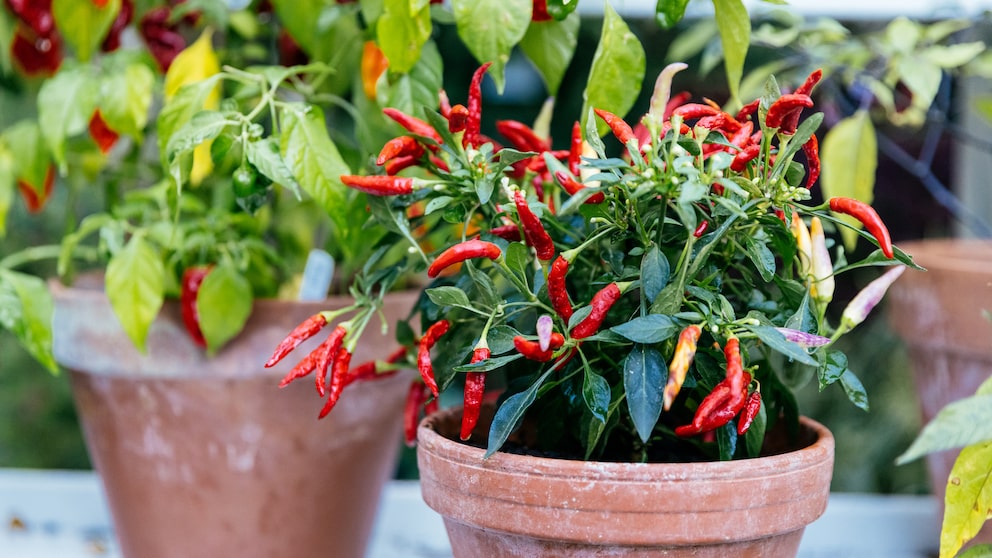
Peperoni are small, elongated, and slightly spicy variants of bell peppers, and therefore both plants have almost identical care and location requirements. However, due to their smaller overall size, peperoni can also be easily cultivated on a balcony or even a windowsill. myHOMEBOOK shows you how.
Lovers of spicy foods can hardly imagine a meal without peperoni. Whether pickled on pizza or added fresh to dishes, peperoni provide a spicy kick in various forms. Depending on the variety, the pods vary in size, color, and heat level, so there’s a suitable peperoni for almost every taste.

Overview
Planting Peperoni
Peperoni, like bell pepper plants, love warm temperatures. Originally from South America, they quickly perish in low temperatures or frost. To harvest peperoni in our regions, the plants must be started early. The ideal time for this is at the end of February. This allows the plants to grow sufficiently large before they can be placed or planted outside in May, when frost is no longer expected.
Sowing Peperoni
- Fill a planting tray or seed pots with seed-starting soil and distribute the peperoni seeds on top.
- Cover with a layer of soil about one centimeter high (peperoni are dark germinators) and press lightly.
- Thoroughly moisten the soil with a spray bottle. Alternatively, water very carefully, as peperoni seeds can be easily washed away by too much water.
- Place the seed tray or pots in a warm and bright location. A sunny windowsill is ideal.
- Regularly moisten the soil.
- After about ten days, the first seedlings will appear, which can then be thinned out.
- From mid-May, the young plants can be moved to the balcony or outdoors.
Appearance and Growth
Depending on the variety, peperoni can grow up to 80 centimeters tall and tend to have a bushy growth. Small white flowers grow from the leaf axils, from which the peperoni fruits develop after pollination. These fruits, by the way, are classified as berries. Peperoni start green and change color as they ripen, from yellow to orange to red, although there are also white varieties. The color of the fruit does not necessarily indicate its heat level. This is more related to the variety and size of the pod. Additionally, most of the heat is found in the small, whitish to brownish seeds. Compared to chilis or many bell pepper varieties, peperoni fruits are more elongated and thin.
Location and Soil
In general, peperoni have similar requirements to bell pepper plants. They need a very sunny and warm location that is sheltered from wind and not too much rain. Therefore, the plants are best kept in a greenhouse, but a conservatory or a sunny, covered balcony are also suitable. Peperoni require nutrient-rich and rather loose soil. In a vegetable bed, compost should always be mixed in.
Varieties
Peperoni enthusiasts and breeders worldwide have created a variety of types that not only differ visually but also have varying Scoville ratings, which indicate the heat level of a fruit. For example, bell peppers have a Scoville rating of ten and are therefore not hot. The hottest chili variety in the world, the Carolina Reaper, has a Scoville rating of 1.6 million. Peperoni are comparatively mild, but there are also differences in appearance and heat.
- Thai Yellow: As the name suggests, this peperoni variety is harvested when it is yellow, and the fruits are about 10 centimeters long. They taste spicy and are very aromatic.
- Lombardo: This peperoni variety is often harvested green and is frequently used in the food industry for frozen pizzas. Those who grow this variety can also use it fresh on pizza or pickle it for preservation. It tastes mild but flavorful.
- Georgia White Pepper: The fruits of this peperoni are often white, hence the distinctive name. This variety can be harvested early in the year, and the fruits taste rather mild.
Caring for Peperoni
For peperoni, plenty of sun and warmth, a consistently moist and nutrient-rich soil, and protection from wind and cold are essential.
Watering
Especially during the growing phase and fruit development, frequent watering is necessary, but waterlogging should be avoided. After fruit development, reducing the amount of water can slightly increase the heat level in the fruits.
Fertilization
The bed should be well-prepared and mixed with compost. Subsequently, fertilization with nettle manure or an organic fertilizer can be done every 14 days.
Pruning
To keep the plant bushier and increase the harvest yield, the shoots should be regularly shortened by three centimeters. After harvesting, pruning can also be done to allow for a second harvest.
Winter Hardiness
Due to their origin, peperoni are not winter-hardy. However, they can be overwintered in a conservatory or on a bright windowsill.
Diseases and Pests
Especially when overwintering in a conservatory, fungal diseases or spider mites can quickly occur. In the open field, aphids are often a problem. These can be environmentally friendly controlled by using ladybug larvae.
Growing Peppers from Seeds: 4 Common Mistakes
With These Care Tips, Your Chili Will Get Even Hotter
Harvest
Red peperoni varieties should only be harvested when they are fully colored. Yellow or green varieties can be harvested earlier. The pods are not toxic at any point; the decision is often based on taste.
Usage
Peperoni fruits are best consumed fresh. In salads or on pizza, they add a spicy kick. Peperoni can be preserved by pickling them in oil or vinegar. In the Mediterranean region, peperoni and chili are often air-dried. In hot summers, this can also be done in our regions, but in cooler temperatures, the pods can quickly mold. In this case, drying in the oven is recommended.