


November 4, 2025, 4:16 pm | Read time: 3 minutes
When the golden-orange fruits of the physalis are harvested in late autumn and the leaves slowly wilt, many consider the gardening season over. But that doesn’t mean the plant has to be discarded. The edible physalis, also known as the Cape gooseberry, is perennial and can successfully overwinter with proper care. Those who keep it frost-free through the cold season will be rewarded with vigorous growth and an early harvest next year. myHOMEBOOK gardening expert Franka Kruse-Gering explains what to keep in mind.
Not Every Physalis Needs Special Overwintering
The physalis belongs to the nightshade family and originates from South America. The most well-known edible variety is Physalis peruviana, also called Cape gooseberry or goldenberry. It bears aromatic, orange fruits that ripen in papery husks. This variety is not winter-hardy and must be overwintered frost-free.
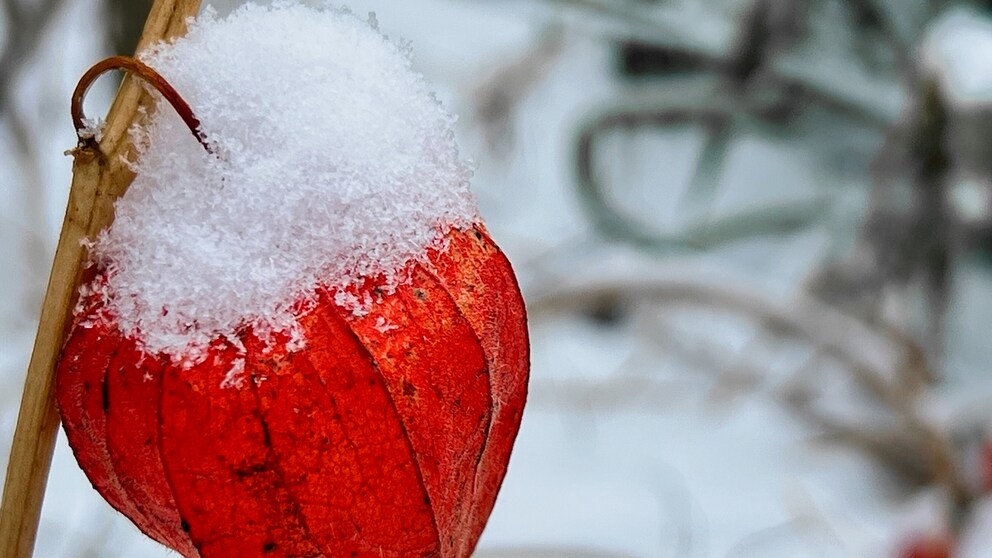
In addition, there is Physalis alkekengi, known as the Chinese lantern plant. It grows outdoors in Europe, is winter-hardy, and withstands frost without any problems. Its bright, orange husks are decorative, but the fruits are inedible. While the Chinese lantern plant can remain in the garden without special measures, the Cape gooseberry needs a sheltered spot for the winter.
Why Overwintering Is Worth It
Many gardeners grow physalis from seeds each year. However, if you have a strong plant, you can easily overwinter it. This saves time, as overwintered plants grow faster in spring, bloom earlier, and often yield abundant harvests by summer. From an ecological perspective, it’s also sensible to maintain a healthy plant rather than starting anew each year.
Also interesting: Planting the Peruvian Superberry Physalis in the Garden or Pot
The Right Time to Overwinter Physalis
As soon as temperatures drop below ten degrees in the fall, you should bring the physalis indoors. At the latest, before the first frost, it’s time to prepare the plant for winter. This involves removing wilted or damaged leaves and checking for pests.
The Chinese lantern plant, on the other hand, requires no special care. It remains in the garden year-round and reliably sprouts anew in spring.

Planting and Care Tips for the Exotic Pepino Fruit in Your Garden or Balcony

How to Properly Care for and Overwinter Chives in Winter
Step by Step Through the Winter
First, prune the physalis. About twenty to thirty centimeters above the ground is sufficient. Remove any diseased or woody shoots completely. If desired, you can plant it in fresh soil.
The ideal winter location is bright, frost-free, and relatively cool. Temperatures between eight and fifteen degrees are optimal. Suitable places include conservatories, bright basements, or unheated stairwells. Unlike in summer, the physalis now needs only a little water. It’s enough to ensure the root ball doesn’t dry out completely. Do not fertilize in winter.
A quick monthly check of the leaves and soil is worthwhile. If mold or pests appear, act immediately and remove affected plant parts.
Spring Awakening
From March, the Cape gooseberry can gradually receive more light and warmth again. You can then water it more frequently and start fertilizing cautiously. After the Ice Saints, around mid-May, it can go back outside. There, it grows quickly and soon sets new flowers and fruits.