

September 13, 2026, 7:08 am | Read time: 5 minutes
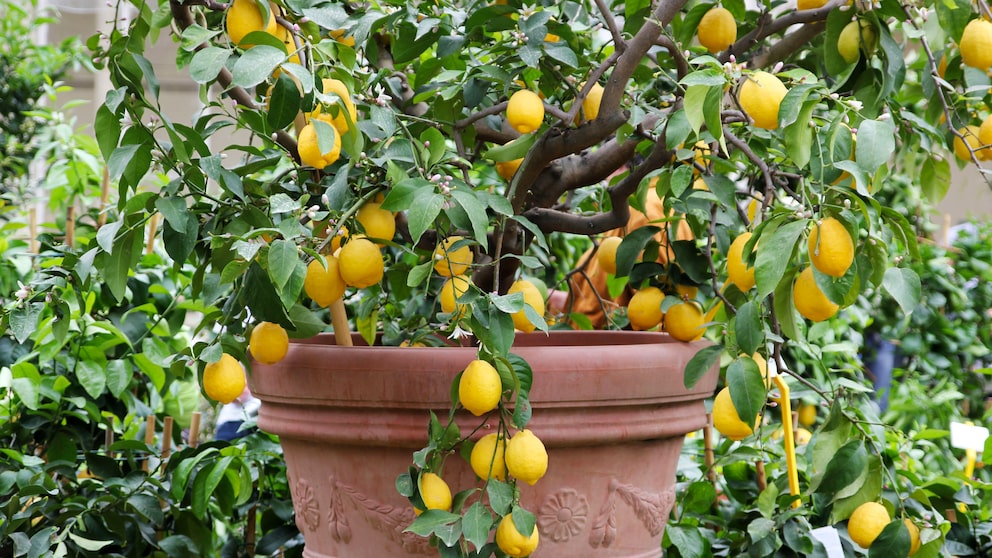
Fragrant blossoms, vibrant fruits, and a Mediterranean flair make lemons, mandarins, and kumquats popular container plants. However, those who try their hand at these exotic plants quickly realize: Citrus plants have special requirements. Small mistakes in soil, water, and overwintering can have significant consequences.
Follow myHOMEBOOK on WhatsApp now
Why Citrus Plants Are Considered Demanding
Citrus plants enhance balconies, terraces, or conservatories and, depending on the type, even produce edible fruits. Horticultural engineer and author Heinrich Beltz describes their advantages: “They bloom and smell wonderful, they are beautiful, and many of their fruits can be picked and eaten fresh. Homegrown mandarins often taste better than store-bought ones.” Some varieties are also suitable for candying or making marmalades.
The pH value of the substrate is particularly important. If it falls outside the optimal range, the plants can no longer adequately absorb nutrients. Horticultural scientist Lutz Popp from the Bavarian State Association for Horticulture and Landscape Care points to iron deficiency as a concern. The consequences can be yellowish leaves and impaired root growth.
Also interesting: Can you grow a tree from a lemon seed?
Special Soil Helps with pH Value Issues
Because precisely adjusting the pH value is challenging, Beltz recommends repotting if problems arise. The old, loose soil should be removed as much as possible, and the plant should then be placed in special citrus soil.
Both Beltz and Popp consider special substrates and appropriate fertilizers unnecessary for many plants, but not for citrus plants. These plants are considered “divas” and react sensitively to unsuitable conditions. To prevent deficiencies, repotting every two to three years is advisable.
The Right Watering Makes the Difference
Not only the soil but also the water quality affects the pH value in the pot. Beltz advises: “The water should have a carbonate hardness of six to ten. Tap water in many regions of northern Germany falls within this range. Rainwater is too soft.”
How to Determine the Carbonate Hardness of Water
The carbonate hardness (KH) can be most easily determined from the information provided by the local water supplier. Most water utilities publish the values for their supply areas online. Alternatively, hobby gardeners can measure the carbonate hardness themselves using test strips or drop tests from aquarium supplies. For particularly precise values, a laboratory water analysis can be conducted. For citrus plants, a carbonate hardness of about six to ten degrees of German hardness (°dH) is considered favorable.
According to his observations, the soil can become acidic if citrus plants are watered exclusively with rainwater for many years.
The situation is different in regions with very hard tap water, such as around Munich and other parts of southern Germany. There, the pH value in the substrate can rise too high. Popp therefore recommends mixing tap water with rainwater.
When watering, lemons, mandarins, and the like need less water than, for example, hydrangeas, but they react sensitively to prolonged dryness. In summer, depending on the pot size, watering every one to two days is usually sufficient, while in winter, watering once a week is often enough.
How to Successfully Overwinter
Besides the pH value, temperature is a crucial factor for healthy plants. The cold season poses challenges for many owners. Although many species can withstand light frost, Beltz emphasizes: “It’s not good for them.”
Temperatures between five and ten degrees Celsius in a bright location, such as a conservatory or heated greenhouse, are considered ideal.
Dark garages or windowless sheds are not a good solution, according to Popp. “If you lock citrus plants in a dark garage or windowless garden shed in winter, they suffer,” he explains. Energy-saving lights or LEDs can help by providing additional light without emitting heat.
Overwintering in living spaces also presents problems. “Then they continue to grow and often develop very long shoots as they stretch toward the light,” says Popp. Additionally, the dry indoor air is a concern. Beltz warns: “Citrus trees don’t like central heating air.”
Also interesting: How to properly overwinter container plants

Which Plant Needs Which Specific Soil?

How Effective Is Hydrangea Soil Really?
Combat Pests Early
The challenging winter conditions often lead to infestations of scale insects or spider mites. If the plants are outdoors in summer, natural predators can help. These include predatory mites, among others. Based on Beltz’s experience, “Spiders also do a good job of cleaning up.”
Beneficial insects can be used strategically in greenhouses. Nematodes can combat the larvae of the vine weevil, parasitic wasps can target aphids, and predatory mites can tackle spider mites.
The timing is crucial. “It’s important to use beneficial insects preventively or at the very first sign of infestation; otherwise, they won’t succeed,” Beltz explains.
For scale and mealybugs, he recommends oil-based plant protection products from specialty stores. He advises against homemade preparations, as their effectiveness and compatibility are not verified.
Pay Attention to Buds and Side Shoots When Pruning
Whether kumquat or bitter orange, the growth form of many citrus plants can be influenced by targeted pruning. It is important to always cut shoots directly above a bud or at a young side shoot. This maintains the branch’s supply and allows the cut to heal better.
Conversely, cutting far from a bud or side shoot can interrupt the branch’s supply. The wound remains open, making it easier for pathogens to invade.
However, not every variety can be shaped as desired. Beltz points to a particularly unusual type: “Buddha’s Hand grows crooked and twisted–you have to call it bizarre.” The characteristic fruits indeed resemble a hand with long fingers. Other citrus varieties stand out with striped leaves or strikingly patterned fruits.
With material from dpa