


January 13, 2026, 9:53 am | Read time: 3 minutes
You have a garden full of herbs, but in winter, you might rely on those from the supermarket because you don’t want to harm or even kill your own—or do you? myHOMEBOOK explains whether you can cut and harvest herbs in winter.
It’s About the Plant, Not the Season
In winter, the question is less about whether you can cut in general, but whether the plant can repair a cut. Some herbs keep living shoots even in the cold season and can handle a small loss of leaves. Others retreat completely and react sensitively to any additional stress.
Whether an herb can be cut depends on its ability to regenerate. Plants with reserves that remain stable after losing leaves can handle a careful harvest. Plants that rest completely in winter benefit from being left undisturbed.
Mediterranean Origin and Winter Hardiness Are Not Contradictory
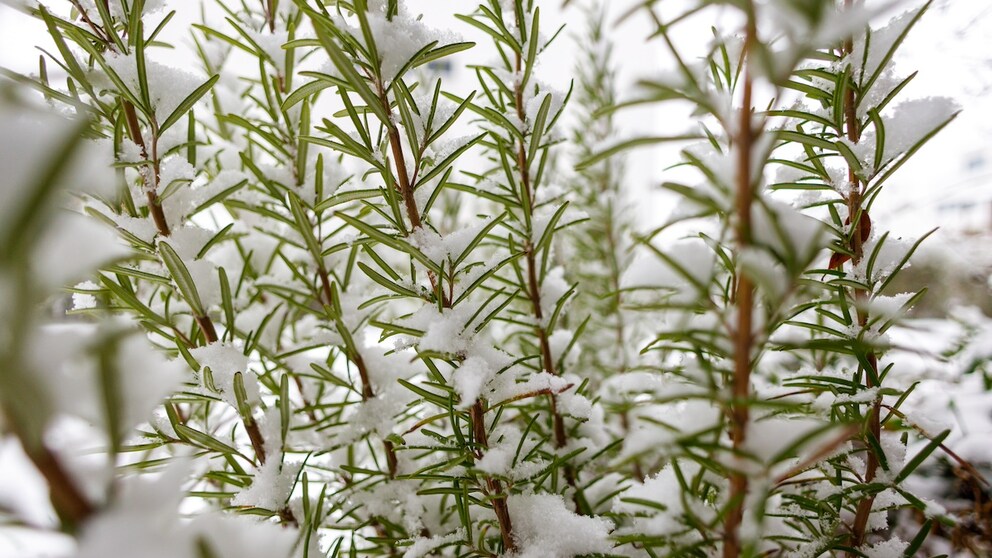
Many Mediterranean herbs are more robust than their reputation suggests. Sage, thyme, or rosemary grow in their native dry regions where frost is not uncommon. As long as they remain dry, they often retain some of their foliage or at least living shoots. These plants can provide individual leaves even in winter if handled carefully, without suffering damage.
Perennial Herbs Are Resilient
Perennial herbs store their energy in roots and woody plant parts. They have multiple buds that sprout again in spring. A small cut does not deprive them of vital substance as long as it occurs on frost-free days and is limited to individual shoots. This is less about cutting in the traditional sense and more about careful harvesting.
6 Winter Vegetables to Plant in Fall
Planting and caring for Thai basil correctly
Hands Off Annual Herbs
Annual herbs behave differently in winter compared to perennials. They are designed to grow, bloom, and produce seeds within one season. When light and warmth are lacking, they halt this life cycle or die completely outdoors. During this phase, they cannot produce new leaves or compensate for substance loss.
Typical examples include basil, dill, cilantro, or chervil. Basil disappears with the first cool nights, while dill and cilantro retreat after seed maturity. Even if some green plant parts remain, the plant is no longer in active growth. A cut would drain its energy without the ability to respond.
Therefore, annual herbs are left untouched in winter or used only if cultivated indoors with sufficient light. In the garden, they benefit from being left alone—their task for the year is complete.
Don’t Cut Unless Absolutely Necessary
Even robust herbs grow little in winter. Cut surfaces close slowly, frozen shoots are sensitive, and every injury adds stress. Limiting cutting to the essentials or avoiding it altogether helps plants stay healthy through the cold season.