


November 8, 2026, 8:23 am | Read time: 5 minutes
2027 is approaching quickly. The year will bring several innovations in the construction sector that homeowners should be aware of. The question of what is truly needed in a house is becoming more important than what is possible. While previous years focused on technology and flexibility, the emphasis is now on quality through reduction. myHOMEBOOK provides an overview of which home building trends could prevail in 2027.
Follow myHOMEBOOK on WhatsApp now
Low-Tech Architecture Becomes a Home Building Trend
Is it really necessary when building a house to fill the bathtub from the car or control the forgotten awning via an app from afar? The new trend of low-tech architecture promotes a different lifestyle: less is more. It focuses on returning to essentials and living without digital stress. Instead of relying on vulnerable technology, this approach emphasizes ease of use.
A solid building envelope from the basement to the roof is as much a part of low-tech architecture as traditional shading options. By adding roof overhangs and external shutters, you can protect your building without additional control systems. Often, a reliable air-water heat pump combined with a photovoltaic system can reduce heating costs. In the end, this approach is not only more sustainable but also frees you from constant software updates and technical vulnerabilities.
Also interesting: These subsidies are available for real estate financing
Compact Buildings Take Center Stage
To save costs, simple and compact construction is becoming relevant again. It’s better to spend money on sustainable and robust materials that offer long-term benefits. Skipping the basement can also help save construction costs, but storage space should still be planned elsewhere.
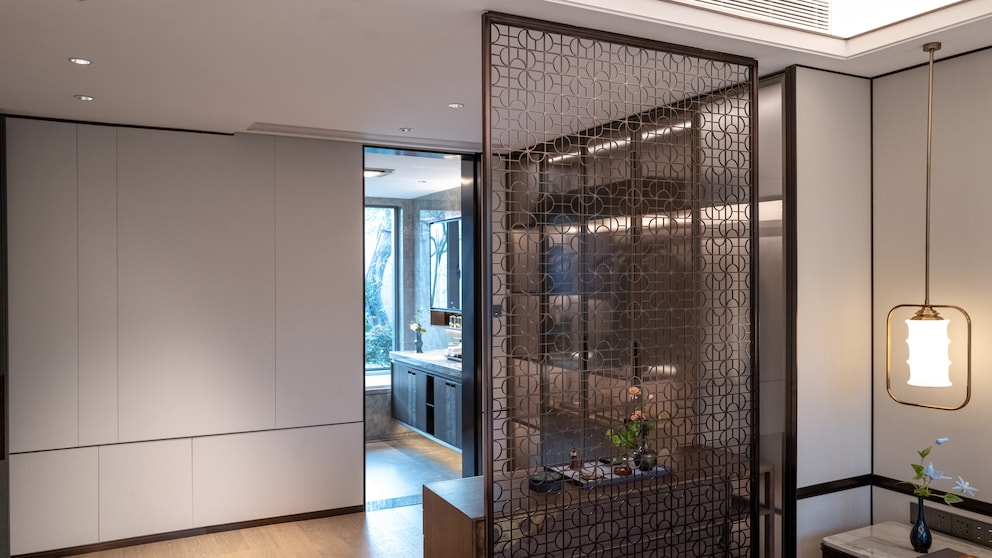
When planning, don’t overlook the floor plan, as changes are happening here too. As living space becomes smaller, solutions that are flexible and space-saving are needed. Sliding or partition walls can, for example, hide a home office or create a sleeping area for guests. In 2027, patience is also required when searching for land, as building plots are scarce in many areas. Those searching should also consider leftover plots and gaps in development.
Solar Requirement Is Coming
Previously, the solar requirement was a state matter, but starting in 2027, it will be gradually introduced nationwide. Initially, it will only affect newly constructed non-residential buildings with more than 250 square meters of usable space and new public buildings. For new residential buildings, it will apply starting in 2030. Those building a house today should still address the issue: In some states, such as Berlin and Hamburg, a system is already mandatory for new construction, and planning it from the start saves costly retrofitting later.
Many homeowners are increasingly moving away from fossil fuels and opting for self-sufficiency. Photovoltaics, battery storage, heat pumps, and wall boxes are coming together to form an intelligent overall system that largely regulates itself in everyday life.
Building in Existing Structures as Another Home Building Trend
Another trend is emerging in building within existing structures, which involves modernizing, expanding, and converting existing buildings. The motto is “Make New from Old” or better yet, “Make Big from Small.” If the property allows, you can enlarge your house with extensions. This is usually more sustainable and can also save money. Using recycled materials can also give your house a completely new look.
There is much more that can be done with existing buildings. Unused attics, old barns, or former outbuildings offer interesting opportunities to create new living space.
Also interesting: Will houses soon be built without glass facades?

The Building Trends of 2026

What Makes a Swedish House So Special
How Trend-Conscious Building Remains Affordable
The shortage of skilled workers and interest rates over 4 percent are forcing a rethink. A new single-family home costs an average of around 2,700 euros per square meter without land, and depending on the region and features, it can be significantly more. To keep costs low, it’s important to save as much time as possible on the construction site. Craftsman hours are expensive, and appointments often have long wait times. However, if most of the work is prefabricated, fewer labor hours are needed, helping to keep finances in check. This is why prefabricated or modular construction has become very attractive again. In prefabricated construction, the desired house is usually made weatherproof in just a few days.
Modular construction takes it a step further. Entire room modules are largely built in the factory. They can be added or reduced as needed. Additionally, industrial production allows for more predictable use of materials, which benefits not only the budget but also the environment, and can even save time as in prefabricated construction.
Subsidies and New Rules
Those looking to build affordably should also consider government subsidies. The KfW program for climate-friendly new construction in the low-price segment has increased its subsidy from 5 to 7.5 percent. However, it only applies to compact houses with cost limits, so the conditions should be carefully reviewed beforehand. Additionally, the E building type could offer savings potential if non-essential comfort standards are omitted. However, the law has not yet been passed, and construction companies must inform homeowners where they deviate from the usual standard.