


April 17, 2023, 10:55 am | Read time: 5 minutes
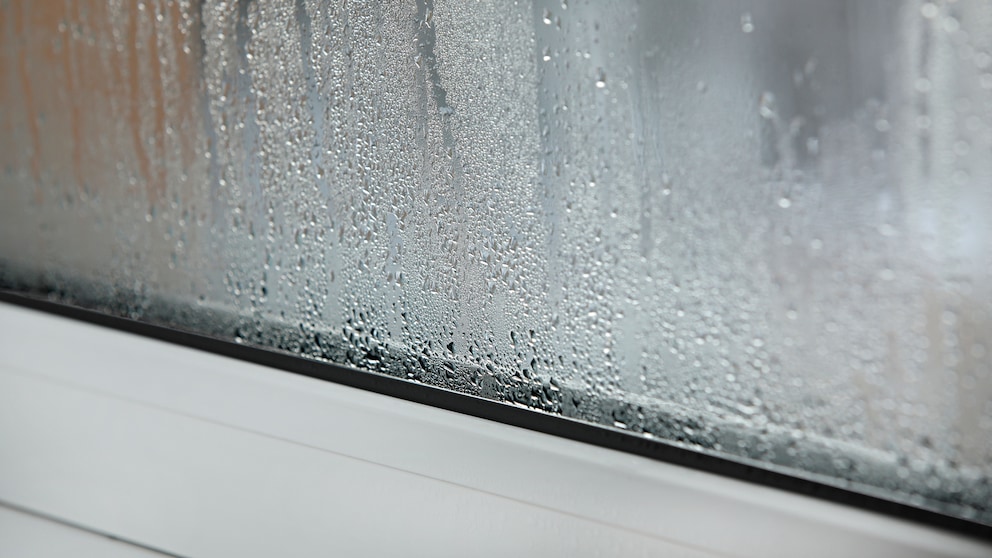
Condensation forms not only on the windowpane but can also occur between the panes. This is not only unsightly but can also indicate construction defects. Therefore, it’s important to investigate the issue. myHOMEBOOK consulted a professional.
Many windows today consist of multiple panes. If condensation forms between the glass panes, it is an indication of leaky windows. The insulating effect is then–whether with double or triple glazing–no longer sufficient. This phenomenon can occur especially in older buildings, as older windows are not as well sealed or insulated as windows built to current standards.
How does condensation get between the window panes?
“With fogged windows, a distinction is generally made between insulating glass that fogs from the room side or between the panes,” explains master craftsman Ulrich Opitz in an interview with myHOMEBOOK. A tiny leak in the bonding of the panes can be enough for moist air to find its way into the window and become condensation. “This can especially happen with old windows that are air-filled,” says Opitz, who is also an expert in building damage and a trainer at the DIY Academy. “The edge seal is decomposed or altered by UV radiation,” says the expert. “Naturally, the thermal insulation is also damaged in the process.”
Once moisture gets between the panes, it’s usually too late. The water can hardly escape on its own. When temperature differences occur, condensation forms between the panes. Unlike moisture on the inside or outside, wiping with a cloth does not help with the annoying droplets.
Also interesting: 13 tips to save on heating costs
What does condensation between the panes say about the window?
New windows with double or triple glazing generally have excellent insulating properties, especially compared to old wooden windows with thin panes, as known from older buildings. Even with old windows–whether wood or plastic–there are models with multiple panes. If these windows are leaky, they are particularly susceptible to moisture. They often no longer meet current energy standards and only insulate moderately. The unsightly appearance of condensation in the window is then the lesser problem.
Also interesting: Avoid these six mistakes when cleaning windows
What to do about condensation in the window?
Since poor insulation also leads to higher heating costs, it’s a good idea to replace leaky windows with new models. This is best done by a professional window installer. Depending on the hourly rate, work duration, and quantity, you should expect to pay several hundred euros per window. In some cases, it may be sufficient to replace only the glazing if the frame is still in good condition.
A specialized treatment would be the professional drilling of the pane to allow the moist air to be extracted. The hole is then sealed again. However, this elaborate process can be as expensive as a complete replacement. “Many manufacturers offer a guarantee for clear visibility,” says Opitz. However, this does not automatically mean that the guarantee covers blind spots or fogging in the edge area.
Also interesting: 3 practical tricks to stop drafts in the apartment
Who covers the costs?
“The owner is responsible,” Opitz answers the question of who bears the costs for a leaky window. Renters should contact their landlord if the problem occurs in a rental apartment. Owners can also take advantage of funding programs: The KfW reimburses ten percent of eligible costs up to 5,000 euros per residential unit with an investment grant for energy-efficient individual measures. Regional funding programs can also–depending on the federal state–cover parts of the costs.
Also interesting: These 7 signs can indicate serious building damage

Are My Windows Too Old? A Simple Trick Reveals the Answer
Simple Trick to Combat Condensation on Windows! Does It Really Work?
4 Tips to Prevent Condensation
To prevent condensation in the window in the first place, you should avoid moisture in the apartment. Air exchange is important. With these tips, you can prevent condensation and mold formation:
- Ventilate well: Open the windows at least three times a day for about five minutes and let fresh air into the apartment. Make sure there is a draft.
- Ventilate when condensation forms: If you notice moisture on the panes, you should ventilate. This is especially necessary after showering or bathing.
- Turn off the heating: The heating should not be running while you ventilate.
- Close doors: Ensure doors to cooler rooms, such as the bedroom, are closed.
Different Types of Windows
A window is not just a window. There are different types:
- Insulating glass: These window panes, also known as multi-pane insulating glass, consist of at least two firmly bonded panes. The edge seal used to be made of metal, but today it is also made of plastic. Experts like Opitz refer to it as a “warm edge.” Insulating glass windows with air filling have been available in Germany since 1978. The distance between the panes is 12 millimeters. If it were wider, a thermal effect would occur within the window, according to Opitz. Since the metal edge seal can quickly become leaky, condensation quickly forms between the panes in these models.
- Thermal insulation glass: Since 1995, windows with thermal insulation glass have been installed. Thermally insulating noble gases such as argon, and rarely krypton or xenon, are located between the panes. “If the noble gases escape, the effect is gone,” explains Opitz. Triple glazing is the norm here, along with a thermally improved edge seal, as most heat escapes at the edge.
- Functional glass: These are coated glass panes. The vapor-deposited layer protects against heat or UV rays, for example. There are also special panes for fire, sound, or burglary protection.