


June 11, 2023, 9:24 am | Read time: 10 minutes
There is an abundance of flooring options. Sometimes, choosing the right one isn’t so easy. We’ve compiled the most common types of flooring for you and present their advantages and disadvantages.
A floor covering should naturally look good and fit well into the living space. However, other characteristic features also play a significant role in the search for a suitable floor. Which material is best suited? Are you looking for flooring for the entire house or just a specific room? A combination of functionality and aesthetics is important when searching for the right flooring.
Overview
Different Types of Flooring and Their Properties
Parquet
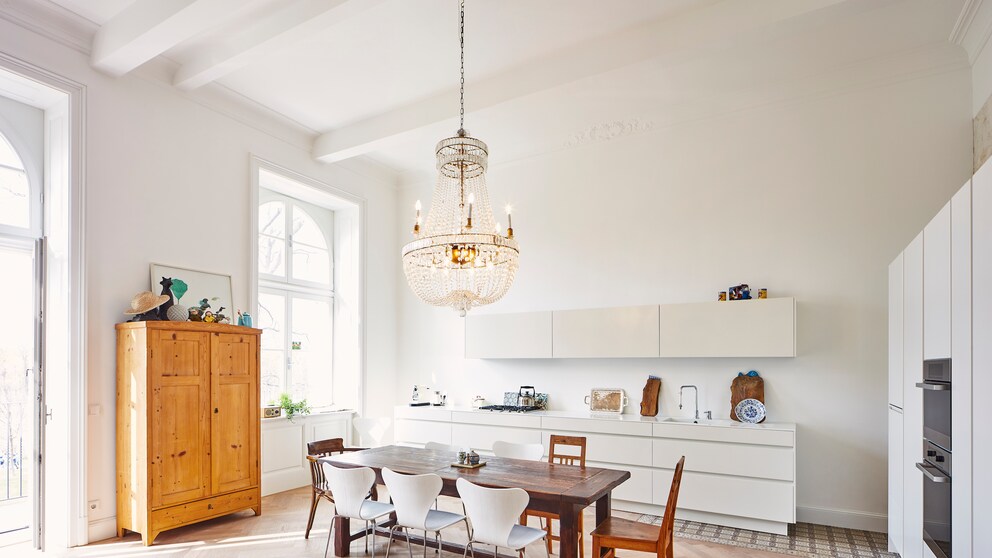
Solid wood parquet is the first choice for many people due to its natural beauty and durability. There are various types of parquet, such as solid wood and engineered parquet. Parquet is also a very high-quality flooring made from fine wood, exuding beauty and warmth. Depending on the individual grain, color, and structure of the wood, the appearance of the floor can be unique.
Parquet is long-lasting and, with regular care, can even be passed down from generation to generation. The flooring can also be sanded and resealed, making it look like new again. Parquet has a pleasant feel and offers an authentic walking experience. It is warm and can significantly enhance living comfort.
Parquet from certified sustainable forestry is also an environmentally friendly choice. If you are looking for a timeless and elegant floor covering, parquet flooring is often the perfect solution.
Also interesting: Who is Linoleum Flooring Suitable For?
Laminate
Laminate is a more affordable alternative to parquet and offers a similar look. Laminate flooring consists of a carrier layer and a decorative layer sealed with a melamine resin surface. The flooring is easy to maintain and durable. It lasts a long time, is easy to clean, and is resistant to scratches, wear, and stains. Laminate floors can be easily installed with a click system. The big advantage: This flooring does not need to be glued. Laminate can also be very well combined with underfloor heating.
PVC Flooring and Vinyl Floors
Vinyl floors–also called PVC–are particularly versatile and robust. They are available in a wide range of designs and patterns that can imitate wood, tiles, or stone. This offers a great variety of designs and can suit different room styles. Vinyl floors are waterproof and easy to maintain. They are generally water-resistant and can repel moisture when in contact with water.
PVC floors are often more cost-effective compared to others like wood or stone. They offer a good combination of aesthetics, durability, and price. The coverings are often made from vinyl chloride, which means certain chemical components may be present. It is advisable to choose PVC from reputable manufacturers and ensure compliance with environmental and health standards.
Tiles
Tiles are popular as flooring for bathrooms, kitchens, and other wet areas because they are waterproof and easy to clean. There are different types of tiles, such as porcelain stoneware, ceramic tiles, porcelain tiles, and natural stone tiles. Porcelain stoneware is among the more robust types of tiles. These are now available with various surfaces and in different looks. Wood tiles, for example, are very popular, but a transition from tile to parquet is also trendy. Cement tiles are also back in vogue.
Carpet
Carpet is particularly comfortable and good for room acoustics. There are different types of carpets, such as velour, loop, or high-pile. Carpets are available in many colors and textures. Carpet can be easily laid in the room. However, this work should be done by a professional.
There is also carpeting made from natural fibers, such as sisal. These beautiful natural fiber carpets are available in various colors. With natural fiber carpeting, care must be taken to ensure that no water is spilled on it. Water stains are very difficult to remove from a natural fiber floor covering. Nevertheless, they exude a cozy and natural flair in bedrooms and living rooms and feel good underfoot.
Wood Flooring
Wood floors radiate natural beauty and are among the most popular floor coverings. They are extremely durable and can last for decades. Naturally, wood floors should also be well maintained. The surface can vary depending on the type of wood and finish, but it is very robust in its properties. Additionally, wood has the ability to absorb sound and improve the room’s sound quality. Since wood flooring naturally has some thermal insulation, it feels pleasantly warm underfoot. Moreover, wood floors are environmentally friendly, sustainable, and reduce the carbon footprint.
The exact properties of wood flooring can vary greatly depending on the type of wood used. Only after selecting a type of wood can you decide on the necessary type of finish and installation. It is advisable to consult a professional about specific wood floors and their properties to make the best choice for your needs.
Linoleum
Linoleum is another popular flooring option. It is made from natural materials such as linseed oil, cork or wood flour, jute, and resin. This flooring material is extremely durable and resilient. It is very long-lasting and resistant to wear, scratches, and abrasion. If the flooring is well maintained, it can last a very long time. Since the flooring is available in various colors and designs, there are different creative possibilities to emphasize the room.
Due to its natural elasticity, the flooring provides a certain cushioning. Its damping and sound insulation make it pleasant to walk on. Additionally, it is easy to clean and can even inhibit bacterial growth. For allergy sufferers, linoleum is a good alternative, as the flooring can help minimize allergens such as dust and pet hair. Linoleum is naturally flame-resistant and has a high fire protection class. It can even slow the spread of fire.
Cork
Cork flooring is a natural floor covering made from the bark of the cork oak. It is an environmentally friendly choice as it is made from renewable resources. The cork oak is not cut down during harvesting; only the bark is peeled every nine to ten years, which does not harm the tree.
Since cork has a natural springiness, it gives way when walking. This can protect joints and the back and is very comfortable for prolonged standing or walking. It is durable, insulating, allergy-friendly, and even easy to maintain. With sun exposure, care should be taken as the flooring can fade. Therefore, additional protection is required in areas with strong sun exposure.
Natural Stone
Natural stone is a versatile and aesthetically pleasing material that can be used as flooring. Natural stones like granite, marble, slate, and travertine are known for their hardness and durability. They are resistant to wear, scratches, and pressure marks and can last for years if properly maintained. They offer a wide range of colors, patterns, and textures, giving any room a unique and attractive appearance.
Natural stone floors are generally heat-resistant and can withstand temperatures that may occur in kitchens or around fireplaces. They are also resistant to fire and do not burn. Additionally, natural stone floors tend to stay cooler than some other floor coverings. This can be advantageous in hot climates or rooms with more sun exposure.
Natural stones require regular maintenance to preserve their beauty and durability. Depending on the type of stone, they can be sensitive to stains and acids and require specific cleaning and care methods. It is important to follow the care instructions for each type of natural stone. They can be more expensive to purchase than some other floor coverings. Costs vary depending on the type of stone, its rarity, and its processing. It is advisable to compare different options and consider the budget.
Tile and Wood Decors
Tile and wood decor floors are floor coverings that imitate the appearance and texture of tiles or wood but are made from other materials such as vinyl, laminate, or PVC. They offer the natural beauty and charm of real wood or a real tile. They are available in a variety of wood and tile types, colors, and grains and can complement different styles and designs.
Compared to real wood flooring, wood decor floors and tile decor floors are often more cost-effective. They offer a good alternative for those who want the look of wood but have a limited budget.
6 Tips to Conceal an Ugly Floor
Benefits of Porcelain Stoneware for Indoor and Outdoor Spaces
Important Properties of Floors
- Aesthetics: Floor coverings significantly contribute to the appearance of a room. They can feature a variety of styles, colors, textures, and patterns to achieve the desired look and influence the room’s atmosphere.
- Functionality: Floor coverings must meet the requirements of the room. Depending on the type of room and use, different properties may be required, such as slip resistance, abrasion resistance, sound insulation, or water resistance. Floor coverings are selected accordingly to meet these functional requirements.
- Durability: Floor coverings must be durable and withstand daily wear and tear. They should be robust, resistant to scratches, wear, and stains to enable long-term use.
- Care and Maintenance: Different floor coverings require different care and maintenance measures. Some floor coverings are easy to maintain and only require regular vacuuming or mopping, while others require regular polishing, sanding, or sealing.
- Comfort: The comfort of a floor covering can also be important. For example, carpets or rugs can be soft and pleasant to walk on, while other coverings like wood or tiles may have a harder surface.
- Sustainability: In recent years, sustainability has gained importance in flooring. There is a growing demand for environmentally friendly materials, recycled products, and floor coverings made from renewable resources.
Also interesting: These Tasks in Home Construction Should Be Left to Professionals
What is Important When Choosing Flooring?
- Usage Area: Consider in advance which room the flooring will be installed in and take the usage area into account. Different rooms have different requirements; for example, bathroom or kitchen areas are often more prone to moisture than living or bedrooms.
- Style and Aesthetics: Choose a floor covering that matches the desired style and aesthetics of the room. Consider colors, patterns, and textures to achieve the desired appearance.
- Budget: Set a budget and choose a floor covering that fits your financial means. Consider not only the purchase costs but also the long-term costs such as installation, maintenance, and possible repairs.
- Sound Insulation: A floor covering with sound-insulating properties can reduce noise levels in the room and minimize noise transmission to adjacent rooms.
- Thermal Insulation: A floor covering that retains heat and provides pleasant foot warmth can increase comfort and reduce heating costs.
- Environmental Friendliness: Floor coverings made from sustainable or recycled materials and containing fewer harmful chemicals are more environmentally friendly and can improve indoor air quality.
- Versatility: A good floor covering should be versatile and suitable for different rooms and styles. It should harmoniously fit into the overall design and create the desired atmosphere.