

October 16, 2026, 4:16 am | Read time: 5 minutes
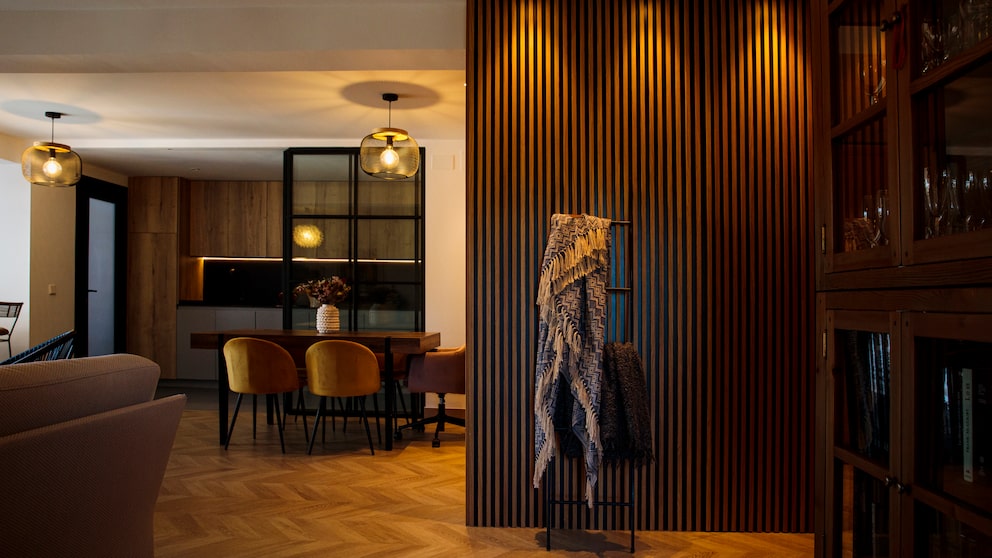
A warm wooden floor, a massive dining table, or the antique sideboard: Wooden furniture gives a room a special naturalness and coziness. However, when different types of wood meet, the right combination is key.
If you want to give your living, dining, or bedroom a new touch, furniture and coverings made of wood are always a good choice. The material comes in countless designs, shades, and grains. myHOMEBOOK shows what to consider when combining different types of wood.
Follow myHOMEBOOK on WhatsApp now
What Types of Wood Are There?
Types of wood mainly differ in their color and can be roughly divided into light and dark tones. Commonly used light woods include ash, maple, and birch. Their light color makes rooms appear friendly and natural, making them suitable for larger areas like floors. Especially rooms with little daylight can appear brighter and more open with an ash or birch floor.
Walnut, ebony, or darker variants of oak belong to the dark woods. They create stronger accents and can give a room more depth. Large furniture like cabinets or sideboards made of dark woods quickly become eye-catchers. Besides brightness, the undertone of the wood plays an important role. It can be warm or rather cool. Yellowish, golden, or reddish nuances often make wood appear warmer, as is the case with pine and mahogany. Grayish nuances, which can occur in ash wood, appear cooler.
Also interesting: Why everyone wants to decorate with dark wooden furniture again
Combining Similar Shades
Before combining, it helps to look at the largest existing wooden surfaces in the room. A parquet floor, a wooden staircase, or large cabinets have a stronger impact than smaller furniture and accessories. Additional types of wood can then be selected to match these dominant surfaces.
It’s easiest to combine different types of wood when their shades are similar. A light oak floor, for example, can be combined with furniture made of light brown or golden brown teak. The transition usually appears less contrasting than with very dark woods.
The wood types don’t have to be exactly the same shade. What’s more important is that their color effects don’t work against each other. Similar warm or cool undertones can also visually connect different types of wood. For instance, a floor made of warm brown oak can be combined with a sideboard made of darker walnut.
Creating Contrasts
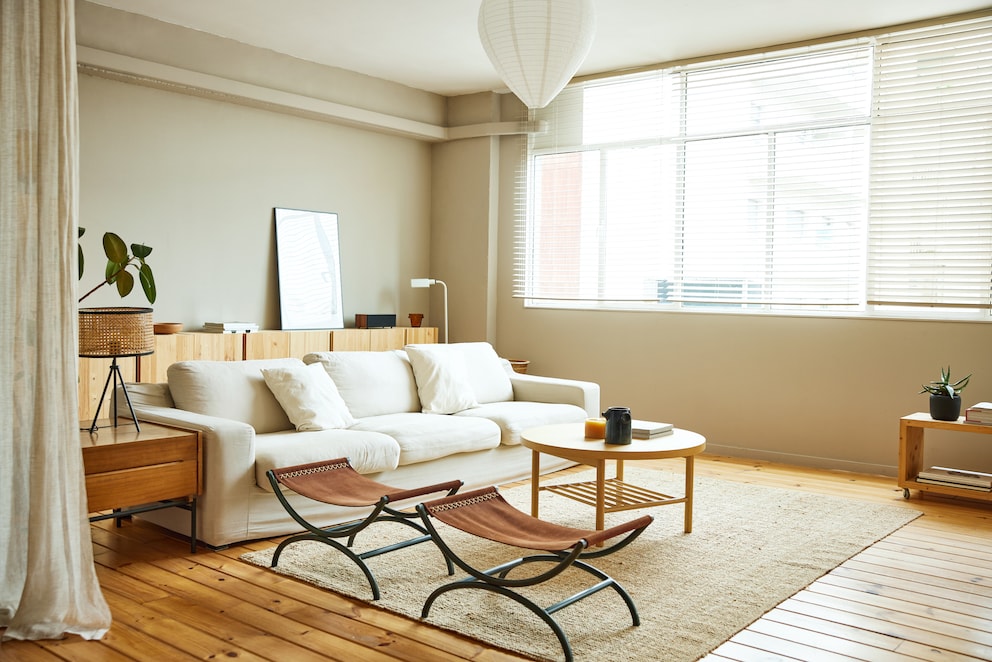
To make a room lively, light and dark wood tones can be deliberately combined. For a harmonious overall picture, it also helps to coordinate their undertones. For example, furniture made of dark oak next to elements made of light maple creates exciting contrasts.
If you want to set special accents, you can opt for mahogany. The rich red-brown tone looks elegant and warm and is well-suited for a dining table, a dresser, or a sideboard. For contrast, mahogany can be well combined with pine or oak, which also have a warm undertone.
To keep the overall picture harmonious, individual wood tones should be repeated in several places. Shelves, picture frames, or decorative elements offer a good opportunity for this. This creates a coherent interplay without making the room monotonous.
Furniture pieces with pronounced grains are particularly beautiful. Depending on the type of wood, they stand out differently and should be used in a balanced way when combining. A sideboard made of dark walnut wood with a striking grain can be well combined with a light ash wood floor and simple furniture. This creates a deliberate contrast without the different wood surfaces competing with each other.


Wood Types in Interesting Colors
Cool-Toned Floors? These Wall Colors Are a Perfect Match
Do Dining Tables and Chairs Have to Be Made of the Same Wood?
Although the dining table and chairs belong together, they don’t always have to appear in the same wood tone. A dark table made of elegant smoked oak can deliberately stand out from chairs made of lighter woods, drawing more attention to the center of the room.
If you still want to design your dining area tone-on-tone, make sure to combine the table and chairs as closely as possible. Wood tones that differ even slightly in color can quickly look like a failed attempt to forcibly match both pieces of furniture. When deciding whether the dining area should visually match, the guideline is: Either work with a contrast or choose wood tones that are as similar as possible.
Mistakes to Avoid When Combining
Of course, there are no limits to furnishing. However, there are some aspects to consider when combining types of wood. In design, it can help to limit yourself to a few different wood tones. The more colors come together, the harder it is to create a harmonious room image.
When it comes to grains, restraint is also advised. A single piece of furniture with a strong wood grain looks great in a subtle room. However, many different surfaces can appear restless.
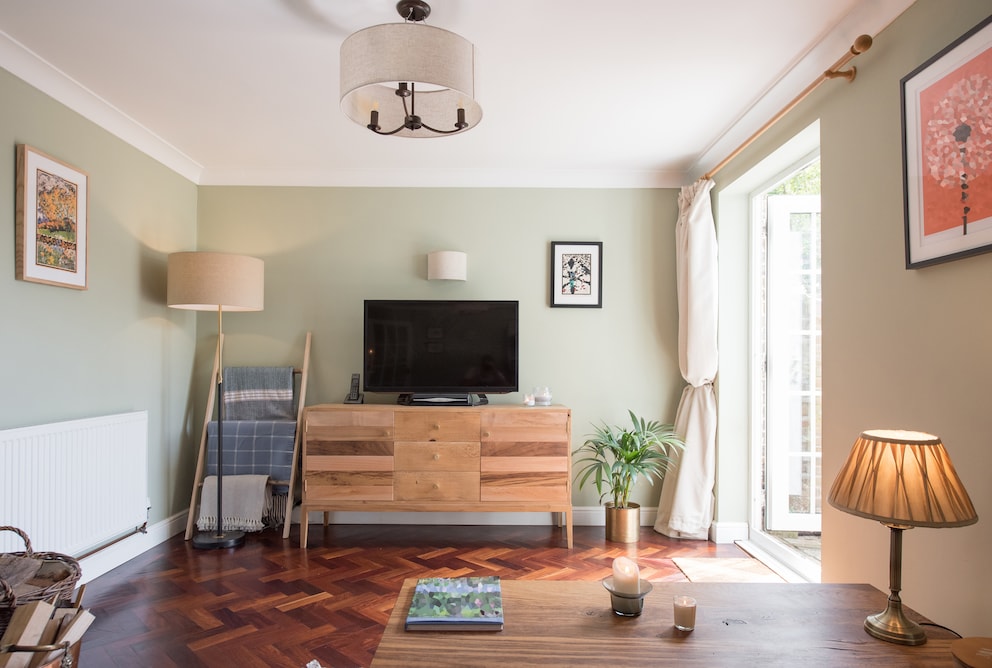
When combining, it’s fundamentally important to always keep the room as a whole in mind. This includes using types of wood with regard to existing wall colors. Here, too, the undertone of the colors is crucial. Warm beige, cream, or earth tones often pair well with warm wood nuances, while cooler wall colors also harmonize with cooler wood tones.