


March 27, 2026, 2:33 pm | Read time: 5 minutes
A cat tree or a cat bed no longer has to be a disruptive element in the home–with the right selection, they can harmoniously blend into any interior design concept. Modern designs combine functionality with aesthetics, turning cat furniture into real eye-catchers. This creates a home where both humans and pets feel completely comfortable. myHOMEBOOK interior expert Mareike Schmidt, who has a cat herself, explains how to combine design and feline needs.
When my cat Archie moved in with me, it was clear that this was now his home too, and he should feel as comfortable as possible. However, I didn’t want people to enter my home and immediately think, “A cat lives here,” or worse, “So this is how a crazy cat lady lives.” Whether I am one is another matter. So, I needed scratching options and cat toys that wouldn’t break my interior design heart and would also suit Archie.
Follow myHOMEBOOK on WhatsApp now
Cat Furniture That Doesn’t Look Like Cat Furniture
The biggest challenge: Cat furniture is often designed for functionality but is aesthetically lacking. Plush cat trees in beige or gray dominate many homes and often look out of place. The solution often lies in carefully selected materials and shapes. Cat trees made of wood, with clean lines and sisal surfaces, can blend surprisingly well into modern living concepts. Wall-mounted climbing elements made of light wood or painted in the wall color look more like a thoughtful shelving system than a cat course. The advantage: Cats love height. Wall solutions offer them movement, overview, and security–while taking up less floor space.
Cat Trees as Design Statements
While neutral and as inconspicuous as possible cat furniture was in demand for a long time, there is now an exciting counter-movement: cat trees that want to be seen. More and more manufacturers are focusing on expressive colors, sculptural shapes, and high-quality materials. Instead of hiding visually, cat trees become real interior elements–almost like a piece of furniture or a small design object.
A brightly colored cat tree in terracotta, petrol, or mustard yellow can function as a color accent in the home. In an otherwise calm setting, it acts as a deliberately placed statement piece. Even monochrome models–held entirely in one color–appear much more modern than classic versions made of wood and sisal.
The key remains: The design must not overshadow the function. A stylish cat tree is only truly successful if it is also stable enough, offers sufficient scratching surfaces, and provides the cat with various levels for climbing and resting. Design and animal welfare should go hand in hand here.
The Underestimated Space
Cats think three-dimensionally. While we humans primarily use spaces horizontally, cats explore their environment vertically. This is where great potential for stylish solutions lies. Shelves, sideboards, or bookcases can be arranged so that they are also accessible to the cat. A deliberately left path over furniture or a single wall shelf in the right place creates a small cat route through the room.
Cleverly Integrating Scratching Surfaces

Scratching behavior is one of the most important natural needs of cats. It serves not only claw care but also territory marking and stress relief. Therefore, it’s better to offer more scratching options than too few. To ensure these don’t dominate the entire living space, they can be cleverly integrated. It doesn’t always have to be just a cat tree in the home. Scratching boards can be attached in different places in the home, even where they don’t immediately catch the eye, such as on the side of a shelf. However, it’s important that the place is easily accessible for the cat,
7 Key Kitchen Trends for 2026

How to Stylishly Integrate Children’s Toys into the Living Room
Retreats That Also Fit the Interior
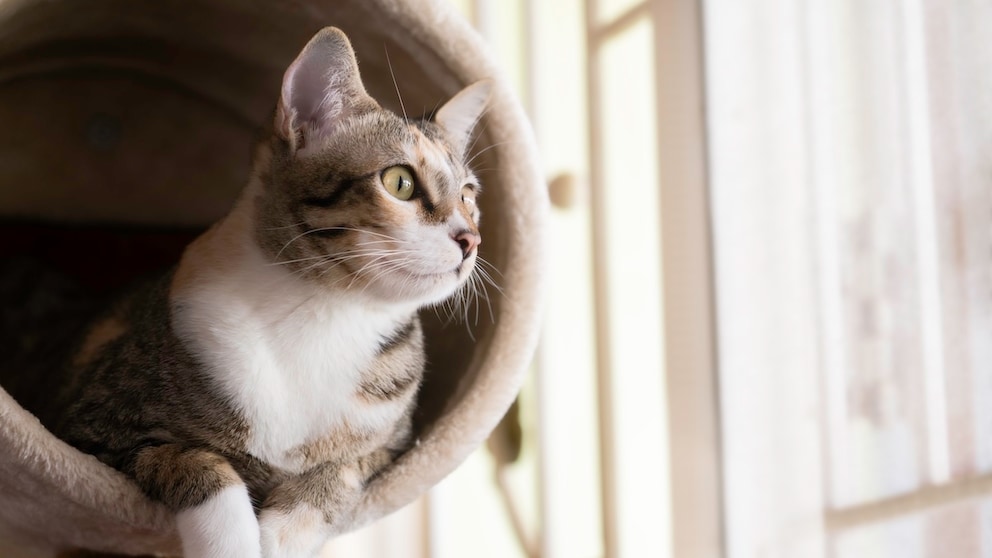
Cats sleep up to 16 hours a day. Accordingly, cozy and safe resting places are important. Instead of many scattered cat beds, a deliberately chosen favorite spot is often enough. Simple baskets made of seagrass, minimalist felt caves, or small cushions on windowsills can be easily integrated into existing living concepts. Cats particularly love elevated places with a view–such as by the window or on a shelf. Since my windowsills are very narrow, I got a padded windowsill extension for Archie,
Toys Visible or Stylishly Stored
Cat toys are part of everyday life–no matter how minimalist the home is. Feather wands, balls, or small mice provide exercise and mental stimulation. To ensure they don’t become a permanent part of the decor, a simple solution helps: attractive storage options. Baskets, small boxes, or drawers ensure that toys are quickly accessible but can just as quickly disappear again. The effect: order in the room and still enough variety for the cat.