


December 8, 2023, 3:37 pm | Read time: 3 minutes
No question about it—tiled surfaces have been enjoying a surge in popularity for some time now. Often, people refer to them as tiles, while others call them “Kacheln” (a German term for tiles). The assumption is that they are the same thing. Not quite! myHOMEBOOK author and interior designer Odett Schumann explains the difference between “Fliese” and “Kachel.”
In everyday language, tiles and ceramic tiles are often used interchangeably. However, this assumption is incorrect, as there is a significant difference between a tile and a ceramic tile.
The Difference Between a Tile and a Ceramic Tile
Both terms originally referred to square ceramic plates. Both are now available in countless attractive designs. From a technical perspective, the difference between a tile and a ceramic tile is that the latter originally came from stove construction. The so-called ceramic stove, which was often part of the living room in the past, is well-known. Ceramic tiles can store heat, whereas tiles are more commonly used as coverings for floors and walls. The difference between the two ceramic plates is mainly in their area of application and, consequently, in their method of production.
What Are Tiles?
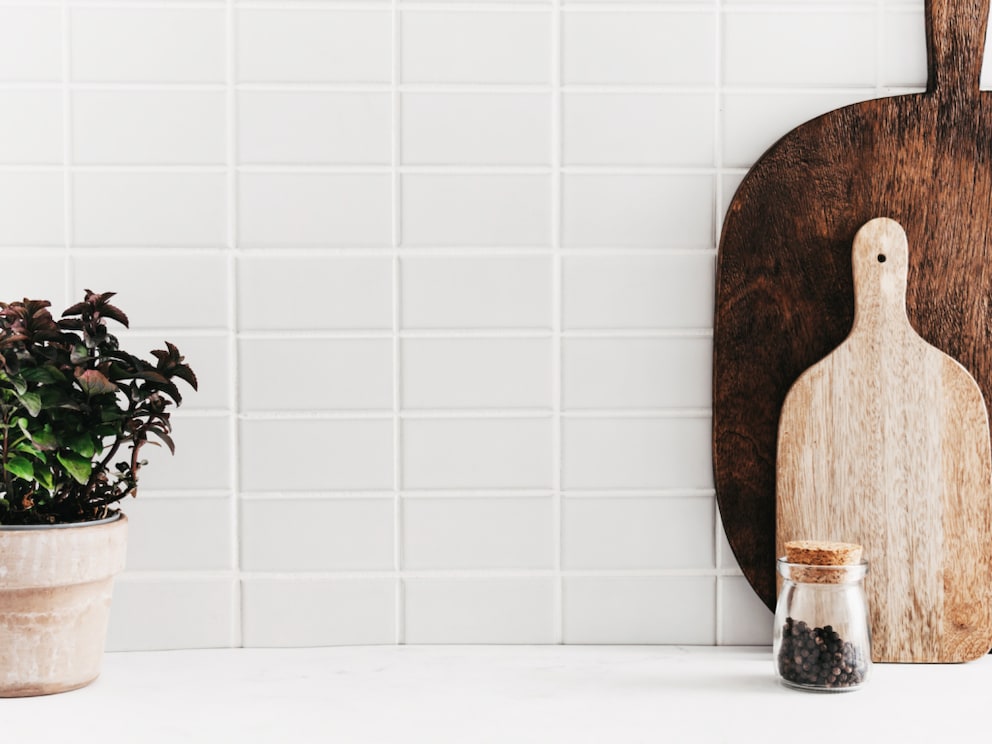
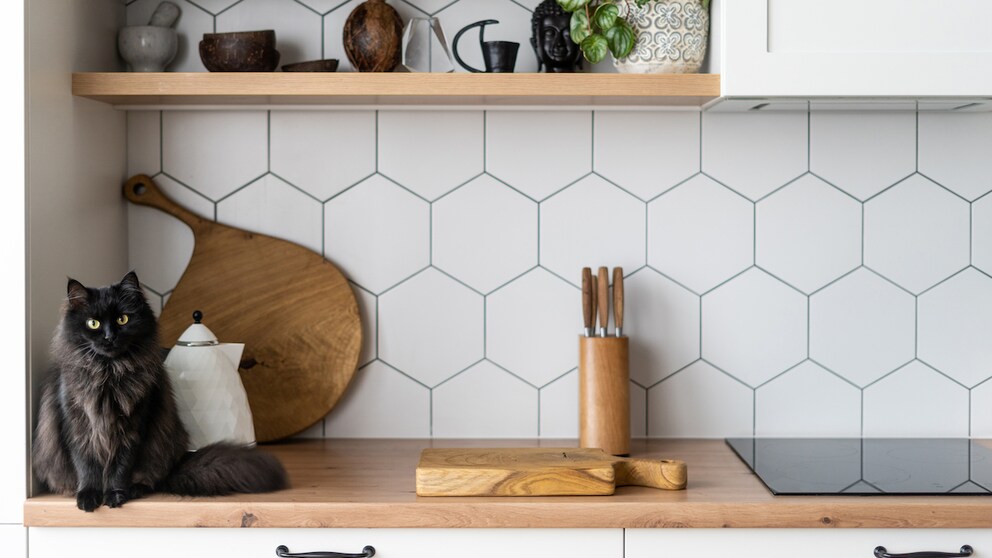
Tiles are often used as wall or floor coverings in bathrooms and kitchens. Square or rectangular models are particularly popular. However, round, hexagonal, and organically shaped tiles have been increasingly used recently. XXL formats, metro tiles, and mosaic tiles are also enjoying a tasteful revival. These are now even used to adorn entire pieces of furniture, such as side tables or columns. Traditionally, tiles are made of ceramic, which tends to be dense in its construction. They cannot store heat. Modern versions are now also made from recycled plastic, glass, metal, or natural stone.

What exactly is an Umgebindehaus?

Benefits of Porcelain Stoneware for Indoor and Outdoor Spaces
What Are Ceramic Tiles?
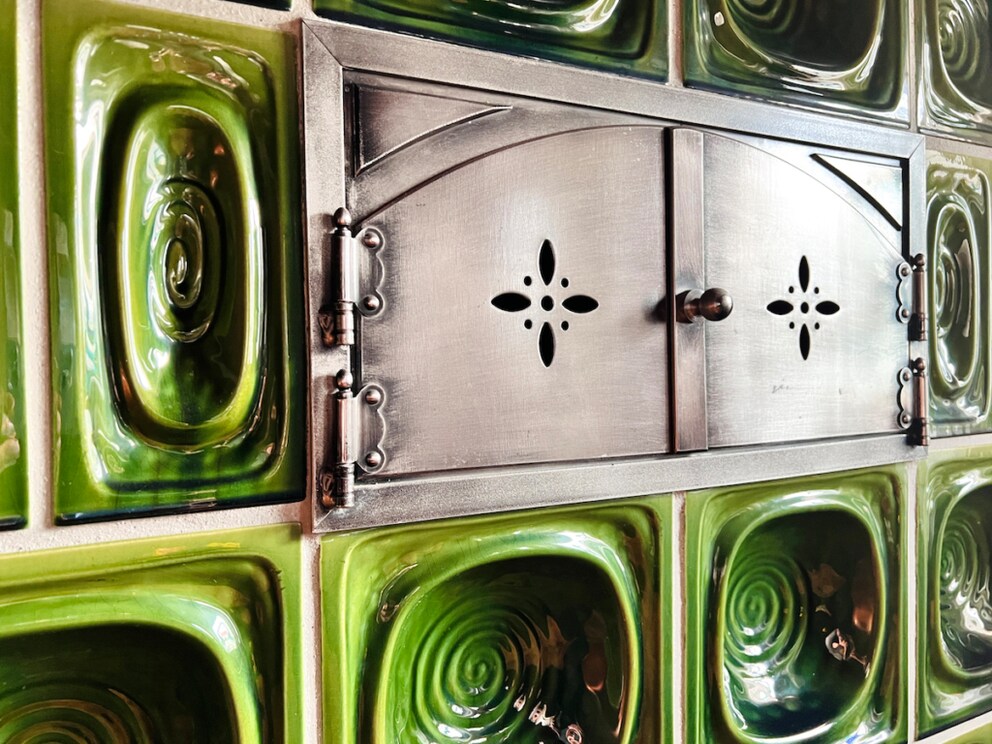
Ceramic tiles became known primarily as stove tiles, meaning they were initially used mainly as ceramic exterior cladding for stoves. The individual tiles were held together with brackets. Due to their hollow construction, they could store comfortable warmth and gradually release it into the room, which is why ceramic stoves were often found in frequently used rooms like the living room. People loved to warm themselves against the glazed, almost silky ceramic surface and enjoy the pleasant radiant heat.
Also interesting: Azulejos – adding special accents with Portuguese tiles
What Tiles and Ceramic Tiles Now Have in Common
Originally, ceramic tiles were intended solely for stove construction, and tiles were meant for floor and wall decoration. The latter was traditionally often handmade and painted. Nowadays, however, both coverings are predominantly industrially manufactured, leading to an increasing similarity in their construction.