


August 9, 2026, 4:43 am | Read time: 3 minutes
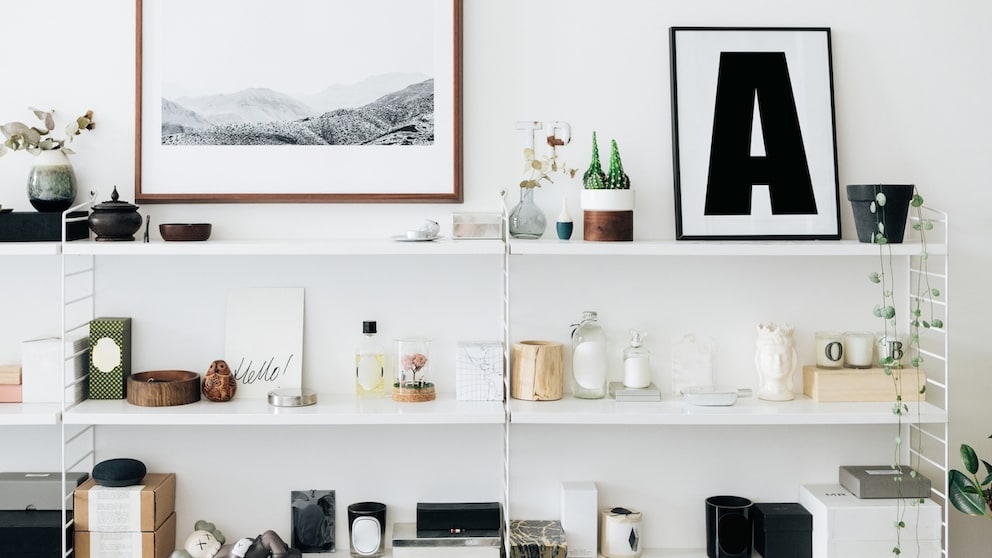
Few design trends have shaped kitchens and living spaces in recent years as much as open shelving. Open shelves were seen as the epitome of a modern, airy living style. Instead of heavy upper cabinets, simple wooden shelves or delicate metal constructions moved in, providing a place for beautiful dishes, glasses, and decorative favorites. Inspired by Scandinavian living concepts and perfectly staged social media images, open living appears effortless, stylish, and personal. However, a shift is now emerging.
Follow myHOMEBOOK on WhatsApp now
The Reality Is Often Different
What looks effortless in photos often proves less practical in everyday life. Open shelves not only display the most beautiful ceramic mugs or favorite vases but also dust, grease deposits, and clutter. Especially in the kitchen, dishes and glasses need to be cleaned more frequently if they are left open. Spice jars, supplies, or kitchen tools can quickly create a chaotic overall appearance if they are not visually coordinated.
Additionally, open shelves require a certain level of discipline. Simply placing items wherever there is space quickly loses the harmonious look that originally made the trend so appealing. This means regular rearranging, sorting, and decorating is almost part of the concept.
Also interesting: How to plan clever storage with shelves around the door
Less Staging, More Practicality
With the shift in living trends, functionality is coming back into focus. Many people today want spaces that don’t have to look perfect all the time. Especially in hectic daily life, it’s appreciated when dishes, supplies, or household items can simply disappear behind a door.
Closed cabinets create a calmer overall appearance and often make spaces look tidier–even if everyday chaos lurks behind them. This makes them particularly attractive for families or people with little time.
7 Key Kitchen Trends for 2026
A New Housing Trend Embraces ‘Midimalism’
Open Shelving Remains–But on a Smaller Scale
The trend hasn’t completely disappeared. Rather, its role has changed. Instead of planning entire kitchens without upper cabinets, individual open shelves are often integrated today. They break up closed cabinet fronts, provide space for plants, cookbooks, or other decorative elements, and add personality without making all storage open.
Open shelves also continue to work well in dining or living rooms. Here, decorative objects are usually the focus, intended to be consciously displayed. The maintenance effort is less than in the kitchen, and the shelf can better showcase its decorative effect.
Quality Over Quantity
Another trend is also emerging. Instead of displaying as many items as possible, some living concepts focus on a more reduced design. A few selected pieces appear more high-quality than cluttered shelves. Open shelves thus become more of a stage for favorite objects rather than a classic storage solution. This development aligns with the general desire for more tranquility at home.
Open shelves haven’t disappeared, but the hype has somewhat subsided. While open shelves were considered the standard for modern kitchens a few years ago, they are now used more consciously. Many combine closed storage with a few open areas, blending aesthetics with function. Perhaps this is the biggest change: Instead of adopting trends unconditionally, the focus today is on what fits one’s own lifestyle.