


September 28, 2026, 4:38 am | Read time: 3 minutes
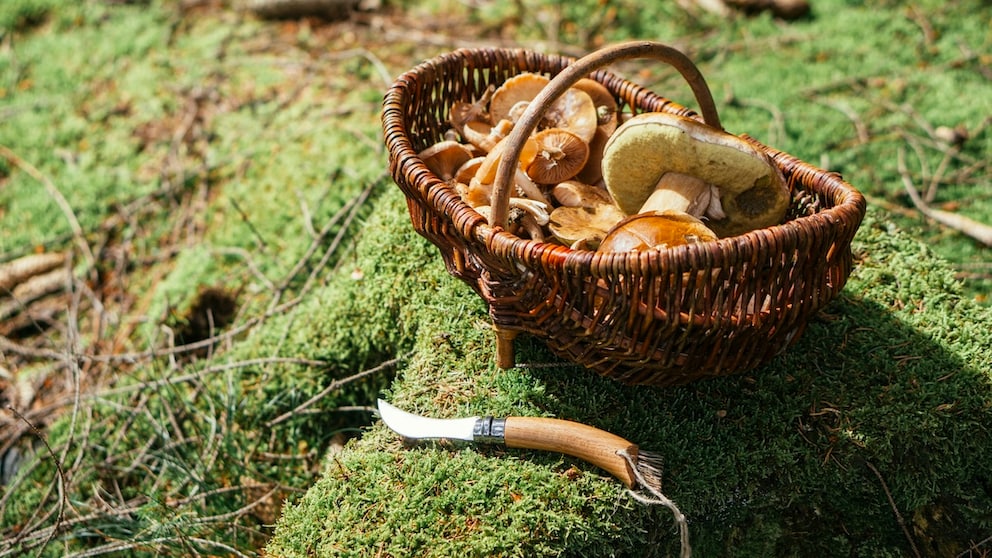
In the fall, forests and baskets alike fill up: Many people collect porcini mushrooms, birch boletes, slippery jacks, or bay boletes for their own kitchens. But can you sell your harvest afterward, such as to neighbors, restaurants, or at the farmers market? In fact, wild mushrooms can generally only be collected for personal use. Anyone wishing to trade in self-collected mushrooms usually needs official permission.
Mushrooms can only be collected for personal use
The basis is the Federal Nature Conservation Act. It allows private individuals to collect wild-growing mushrooms in limited quantities for their own use.
Mushroom expert Gerhard Schuster from the German Mycological Society refers to Section 39, Paragraph 3 of the Federal Nature Conservation Act. It states: “Everyone may … take and appropriate mushrooms … from nature at places not subject to a prohibition on entry, in small quantities for personal use.”
What exactly is considered a “small quantity” is regulated differently depending on the region, according to Schuster. Depending on the state or region, the permissible collection amount is between one and four kilograms per person per day. The responsible forestry office can provide information on this.
Related: Collecting mushrooms with AI? Expert has a clear opinion
A permit is usually required for sale
Anyone who wants to collect mushrooms not just for themselves but to make money is on legally thin ice. “The trade in native wild mushrooms is expressly prohibited,” says Schuster. This is different for imported wild mushrooms, which are not affected by this regulation.
Attorney Nicole Mutschke also makes it clear that special conditions apply for commercial use. “Anyone who collects wild-growing mushrooms commercially to sell them afterward generally needs a permit from the nature conservation authority,” she explains.
Fines of up to 10,000 euros possible
Anyone collecting mushrooms for sale without the required permit must expect consequences. According to Mutschke, “a fine of up to 10,000 euros” is possible in such cases.
It can become even more expensive if protected species are involved. Some particularly popular edible mushrooms are under special protection.
Porcini and chanterelles can be particularly costly
According to Mutschke, particularly protected mushroom species include well-known edible mushrooms like porcini and chanterelles. These may be collected in small quantities for personal use. However, harvesting and selling them in larger quantities can violate species protection regulations.
“Here, fines of up to 50,000 euros are possible,” says Mutschke.
Also interesting: This is Germany’s most poisonous mushroom

Collecting Wild Garlic Could Lead to Fines

This Is Germany’s Most Poisonous Mushroom
In extreme cases, even a criminal offense is possible
Under certain conditions, violations can be prosecuted not only as administrative offenses but even as criminal offenses. According to the attorney, this is particularly true if someone intentionally and commercially or habitually collects and trades protected mushrooms illegally.
In such cases, fines or imprisonment of up to three years are possible. However, this does not apply to occasional violations of minor scope. “In the case of an insignificant quantity and insignificant impact on the species’ population, this criminal liability does not apply,” explains Mutschke.
Are there exceptions?
Commercial use of wild mushrooms is not entirely excluded. According to Schuster, there is theoretically the possibility of applying for collection licenses for commercial purposes from the lower nature conservation authorities, such as on behalf of restaurants or market traders. However, he is not aware of any specific practical examples.
For hobby collectors, this means: Those who collect mushrooms in the forest can usually take them home for personal consumption. However, selling them without the appropriate permits is generally not allowed and can become costly.