


December 17, 2025, 4:03 pm | Read time: 3 minutes
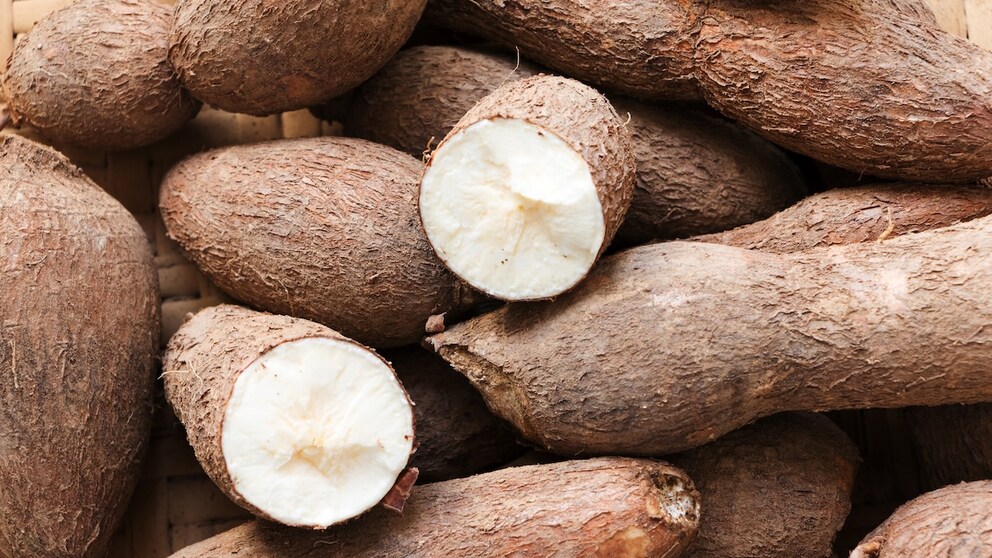
Here, cassava is still relatively unknown. Yet, it occasionally ends up on the plate, especially if you’re adventurous in the kitchen. The root can be used to make delicious fries, puree, or curry. One thing is crucial–absolutely crucial–cassava must always be prepared correctly, or it is toxic.
Cassava is not the only food that should not be consumed raw. One of the most well-known examples is the potato. With cassava, not only are the red above-ground fruits of the plant toxic, but the tubers are as well, at least when uncooked. Green beans should also never be eaten raw. They contain the toxin phytohemagglutinin, which can cause gastrointestinal issues. In children, even a few raw green beans can lead to severe poisoning symptoms. It’s similar with cassava root. It must be thoroughly prepared to ensure it is no longer toxic.
Follow myHOMEBOOK on WhatsApp now
Why Cassava Is Toxic
In many tropical regions of the world, cassava is a staple food. It refers to the root tubers of the cassava plant, also known as yuca or manioc. The plant belongs to the spurge family. Those familiar with botany will recognize that spurge plants are known for having toxic components. In most cases, the white plant sap is the issue. With the cassava plant, it is not the sap but the root itself that is potentially toxic.
Cassava roots contain cyanogenic glycosides, including linamarin and lotaustralin. When the root is damaged, such as by biting or cutting, these substances produce hydrogen cyanide (cyanide). Hydrogen cyanide is extremely toxic and can only be removed through proper preparation of the root tuber.
By the way: There are sweet and bitter varieties of cassava. The hydrogen cyanide content varies by type. Sweet cassavas contain less toxic hydrogen cyanide than bitter ones.
Also interesting: 3 common mistakes when cooking potatoes
Which vegetables should not be eaten raw?
How to Properly Process Elderberries to Avoid Toxicity
Why Is Hydrogen Cyanide So Dangerous?
Hydrogen cyanide can be tasted. It reveals itself through a bitter taste. Apricot kernels, bitter almonds, and raw cassava roots all contain the toxic substance cyanide. Consuming foods containing hydrogen cyanide in large quantities can lead to severe poisoning and, in the worst case, even death, as informed by the Bavarian State Office for Health and Food Safety.
Hydrogen cyanide blocks cellular respiration. The cells suffocate and die, preventing new oxygen from being transported into the blood. In extreme cases, this can result in cardiac arrest. Symptoms of cyanide poisoning include headaches, dizziness, nausea, and vomiting. Additional symptoms are shortness of breath, convulsions, fainting, and a bitter almond smell on the breath.
If poisoning is suspected, a doctor should be consulted immediately. Since hydrogen cyanide can also be absorbed through the respiratory tract and skin, approach the affected person only with respiratory protection and protective clothing. It’s best to bring the injured person into fresh air. Avoid mouth-to-mouth resuscitation and skin contact.
Properly Preparing Cassava
Raw cassava is inedible. When cooked, the hydrogen cyanide evaporates, and the root tuber becomes edible. It can be fried, baked, or boiled to make puree, fries, and more. It’s important to remove the peel, as it contains a high concentration of cyanogenic glycosides. Then, soak the firm inner part in water for at least 12 to 24 hours. Do not reuse the soaking water; discard it.
After soaking, cut the root into pieces and boil in water for about 30 minutes. The heat destroys or evaporates the remaining toxic compounds. Do not reuse the cooking water.
By the way: Cassava is also traditionally fermented to make fufu or tapioca. During this process, lactic acid bacteria break down the cyanogenic glycosides.