

July 31, 2026, 3:15 pm | Read time: 3 minutes
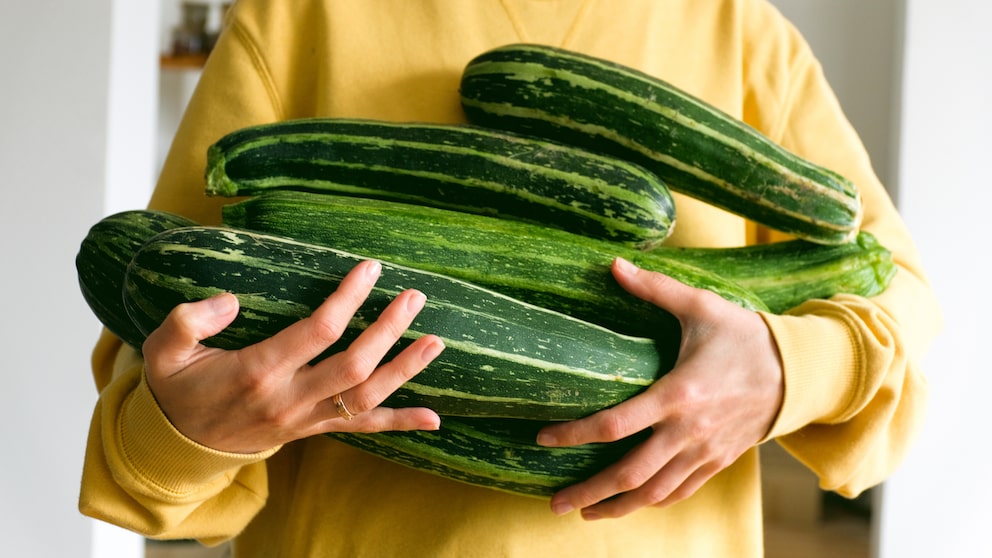
Zucchini are among the most popular ingredients for dishes of all kinds–whether grilled, in salads, or cooked as “noodles.” Usually, the small fruits are harvested early, which raises the question of whether an oversized zucchini is still edible. myHOMEBOOK spoke with the Poison Information Center and got an answer.
When are zucchini harvested?
Zucchini (Cucurbita pepo) belong to the squash family and are often used in cooking. There are various varieties of this plant, including the so-called “marrow,” the giant zucchini. As the zucchini ripens, its outer color changes from green to a light yellow. Interestingly, zucchini can be harvested when they are just about four inches long and used as a cooking ingredient. The harvest season is between July and October.
Is a large zucchini still edible?
Zucchini are often harvested when they are smaller, even when they are still unripe. At this stage, the fruit tastes particularly good. The skin is thin and shiny. However, as the zucchini grows and ripens, the flavor of the fruit’s interior becomes less intense. In this state, it can still be used in dishes, such as stews or stuffed, but the taste is less pronounced.
Important: If the zucchini tastes bitter, it should no longer be consumed. If you taste a piece of the bitter fruit, spit it out immediately and discard the rest, as the zucchini may contain dangerous toxins. According to the Poison Information Center in Bonn, “there is currently no known way to identify affected plants from the outside. Only a taste test can help to immediately weed out plants with a bitter taste.”
Also interesting: Edible or toxic? An overview of the most popular squash varieties

When Garden-Grown Zucchini Can Be Toxic

Caution! Always Taste-Test Garden-Grown Pumpkins First
(When) do zucchini develop toxins?
Indeed, zucchini can develop toxins. The bitter and toxic compound cucurbitacin is considered corrosive and attacks the mucous membranes of the gastrointestinal tract. Severe fluid loss or secondary infection of the gastrointestinal tract can lead to severe outcomes in immunocompromised, elderly, or ill individuals, according to the Poison Information Center. Externally, there is no way to tell if a zucchini contains this compound. It is only detectable by the bitter taste of the zucchini.
The toxin in zucchini is not unnatural; it is even naturally present in many plants like cucumbers and squash. However, most squash plants have been bred to produce fewer toxins and can be consumed without concern. Sometimes, these toxic and bitter compounds are produced only through crossbreeding or later in the ripening process. According to the Poison Information Center, plants from home cultivation are particularly affected: “It is now known that cucurbitacins primarily develop in zucchini grown from seeds. It is also suspected that heat stress in outdoor plants plays a role in the development of cucurbitacin.”
Ate a bitter zucchini? What now?
The toxin cucurbitacin is detectable by taste in humans. Cucumbers, zucchini, and other fruits then taste bitter and are almost inedible. According to the Poison Information Center, it is still unclear whether the bitter taste is truly caused by the bitter compound cucurbitacin. The effects of the toxin on the body can include symptoms such as nausea, vomiting, and diarrhea, as reported by the Consumer Center. In most cases, the symptoms subside without medical assistance within 24 to 48 hours. Warning signs that require immediate medical attention include fever, circulatory weakness, or drowsiness.