


October 16, 2026, 12:22 pm | Read time: 4 minutes
Heat, drought, and wind have taken a toll on many fruit and vegetable crops this year. While the impact on food prices cannot be predicted across the board, the effects are already visible for some products. According to Thomas Els from the Agricultural Market Information Society (AMI), consumers should expect higher prices, especially for certain vegetables and potatoes. At the same time, it’s clear that drought alone doesn’t determine what becomes more expensive in supermarkets.
Follow myHOMEBOOK on WhatsApp now
Lettuce, Broccoli, and Carrots Suffered Particularly from the Drought
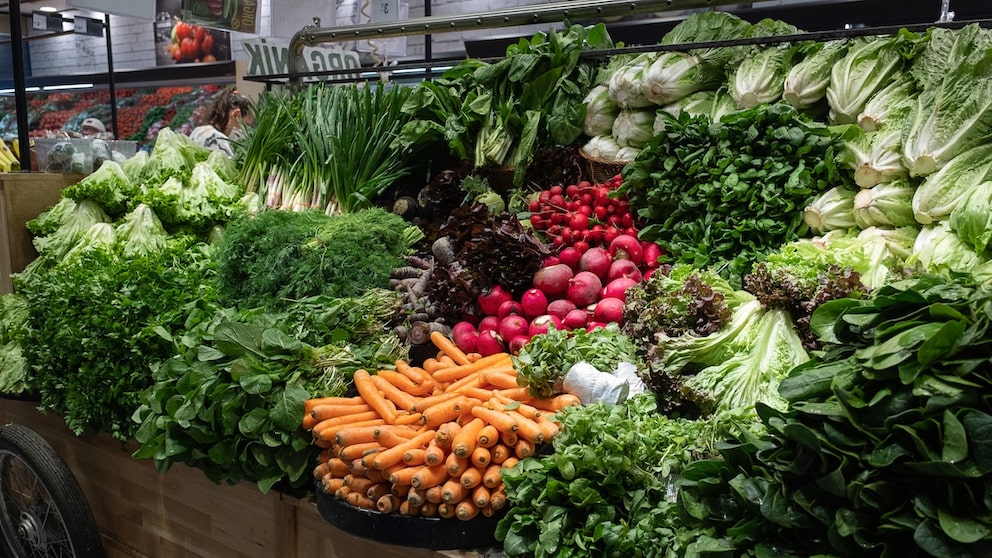
The extreme weather conditions were particularly noticeable in some field vegetables. According to Thomas Els, yields for lettuce, cauliflower, broccoli, and carrots were lower than usual. As a result, the supply became tighter and consumer prices rose.
In general, dry spells are not necessarily a problem for fruit and vegetable cultivation. Lack of rain can often be compensated for by irrigation. However, this year the situation was more challenging.
“Due to the ongoing drought, water extraction is restricted, so not everywhere can be irrigated where it is actually necessary,” explains Els. At the same time, high temperatures and wind significantly increased evaporation. The plants therefore needed particularly large amounts of water.
Potatoes Likely to Become More Expensive Too
The market situation for potatoes has also changed. In recent years, large harvests kept prices low and curbed food inflation.
However, with the new harvest, the situation has reversed. According to Els, several factors are coming together: heat and drought led to lower yields. At the same time, the cultivation area was reduced by more than eleven percent compared to the previous year.
“Below-average yields on a reduced cultivation area due to the unsatisfactory revenue situation in last year’s campaign are currently leading to higher prices,” says the AMI market expert.
Also interesting: These 9 foods should never be put in the freezer
Not Only Drought Affects Prices
However, attributing rising prices solely to drought is too simplistic, according to Els. For farmers, numerous production costs have increased in recent years.
“For producers, production inputs such as fuels, fertilizers, or pesticides are becoming more expensive. Labor costs are also rising,” says Els. In addition, the costs for additional irrigation, which also need to be covered, are increasing.
Therefore, higher consumer prices are not always solely due to poor harvests.
Why Some Fruit Varieties Became Cheaper Despite Difficult Conditions
The development in fruit shows how complex price formation in the market is. For example, consumers had to pay significantly less for cherries this summer than in the previous year.
The reason, however, was not the German harvests. Instead, after frost-related failures last year, larger quantities from countries like Turkey and Greece were available again. The supply increased and pushed prices down.
A similar situation developed for peaches, nectarines, and apricots. Here too, larger deliveries from Spain and Turkey provided relief.
For plums, however, the supply was limited due to the drought. Prices were recently above last year’s level.

Small Apples and Early Fruit Drop: What’s Behind the Unusual Harvest

Garden Produce You Should Use First
Apples Are Currently Still Relatively Cheap
Apples hold a special position. Although the 2026 harvest is expected to be smaller according to industry estimates, prices are currently still below last year’s level.
The reason is the large stockpiles from the bountiful 2025 harvest. They continue to ensure a plentiful supply in the market and have a price-dampening effect. The impact of the current drought on apples, according to Thomas Els, has so far played a minor role.
When Consumers Notice the Effects
For fresh fruits and vegetables, crop failures usually become apparent at the checkout quickly. “Price developments for fresh fruits and vegetables are usually short-term and have a direct impact, not just in the following year,” explains Els.
It can be different for processed products such as frozen vegetables, juices, or canned goods. Changes there may only become noticeable with a delay. Additionally, additional costs for energy, packaging, and processing play an important role in these products.