



August 16, 2023, 3:02 pm | Read time: 5 minutes
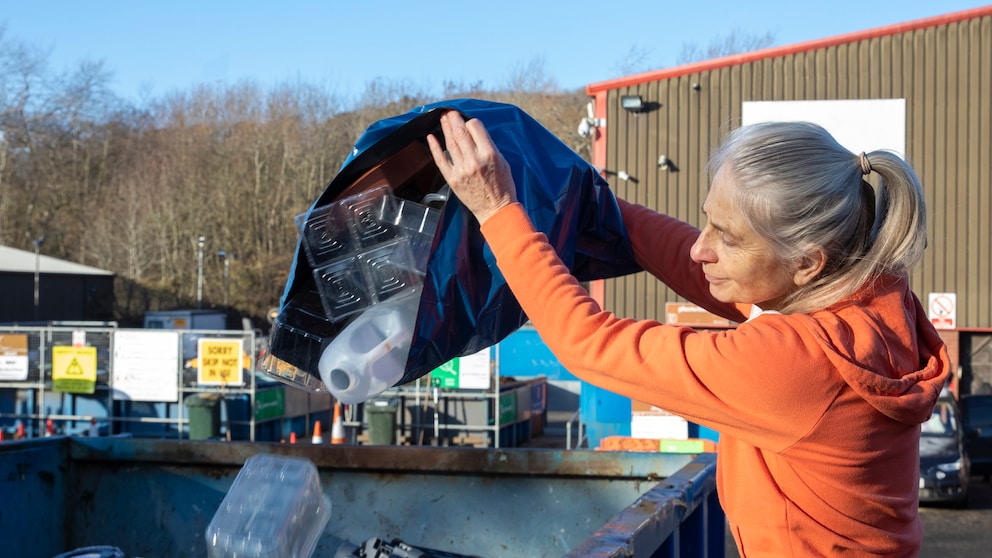
Many people know the problem: You clean out the basement or attic and end up with a lot of bulky waste and other junk. But where is the best place to dispose of your clutter? In Germany, these items cannot go into household waste, as they often require special treatment for disposal. Recycling centers are therefore the first point of contact for consumers to get rid of special waste. But what exactly can be taken to a recycling center?
The topic of special waste is unfortunately very confusing in Germany. Many people are unsure when an item belongs in bulky waste and what can be dropped off at a recycling center. Because: Not all waste is the same! Additionally, the term “bulky waste” is often mistakenly equated with special waste. While many recycling centers do not accept bulky waste or only accept parts of it, materials like old electronic devices, cardboard, or various green waste are taken to the recycling center.
- Recycling centers play an important role in the collection of special waste, as consumers can drop off specific waste that cannot be disposed of through regular household bins.
- Since recycling centers in Germany are subject to the legal requirements of the KrWG and BImSchG, they follow the circular economy model.
- The cost of dropping off recyclables is not always free; the price depends on the operator’s guidelines and can vary from one municipality to another.
What do recycling centers accept?
“Recycling centers have different acceptance options from one municipality to another—and these also vary within a municipality. There are larger and smaller recycling centers that accept a varying range of recyclable waste from private households and small businesses,” explains the Association of Municipal Enterprises in response to a myHOMEBOOK inquiry. The following examples provide guidance on which waste is accepted at most recycling centers:
- Construction waste: Debris from a private construction site, such as old windows, roofing felt, asbestos, sanitary ceramics, or room doors
- Old wood: Shredded wooden furniture, such as cabinets and beds, as well as parquet
- Old electronic devices: Electronic waste, e.g., smartphones, charging cables, televisions, computers, irons, washing machines, and refrigerators
- Batteries and accumulators: from vehicles and electronic devices
- Garden waste: Grass clippings, wild herbs, and leaves, as well as tree and shrub waste
- Pressurized containers: Spray cans, aerosol containers, and PU foam cans
- Hazardous substances: Paints, varnishes, oil waste, solvents, or household chemicals
- Paper waste: Waste paper, cardboard, and packaging made of cardboard
- Plastics: Bulky plastic packaging waste or Styrofoam
Special cases – these materials could cause problems
1. Bulky waste
After cleaning out the basement, numerous old furniture, mattresses, and the like pile up in the garden, and disposing of the bulky waste gives you a headache? When it comes to bulky waste, each city has its own rules. So, it’s important to check with your local municipality or find out about local regulations online.
Related: What belongs in bulky waste and how is it disposed of?
In most major cities, such as Berlin, Cologne, Hamburg, Frankfurt, or Munich, recycling centers accept bulky waste. However, this mostly applies only to people who can prove they live nearby. Those living in smaller towns can rely on the monthly bulky waste collection. In many municipalities, this service regularly picks up bulky waste directly from the curb. In other cities, you must request a specific pickup date from the municipality.
2. Construction debris
DIY enthusiasts often face the problem: where to put all the construction debris? Old tiles, bricks, or ceramics are usually not easy to get rid of. Therefore, it’s important to find out in advance where construction debris can be dropped off in your municipality. Often, there are not only costs per kilogram but also strict guidelines to follow.
In some regions, for example, only a certain amount of construction debris is allowed. Elsewhere, you may encounter problems if the debris is mixed with other materials, such as wood or insulation. In such cases, city recycling centers often turn you away, and you must contact private disposal companies.
What are special wastes?
Some recycling centers accept special waste, but there are some things to consider, explains the VKU: “In the context of accepting waste at recycling centers, special waste is primarily understood to be waste that can only be accepted at the so-called ‘hazardous waste collection point’ or hazardous waste mobile. Not every recycling center has its own hazardous waste collection point with appropriately qualified personnel. At the hazardous waste collection point or mobile, the waste must be received, inspected, and packaged by chemically trained personnel.” Therefore, you should inquire in advance whether the chosen recycling center accepts special waste such as chemicals, paints, or used oil.
How to Properly Dispose of Electronic Waste
Who is responsible for cleaning up the firework debris?
What does it cost to drop off waste at the recycling center?
Disposing of waste at recycling centers often incurs unexpectedly high costs. It doesn’t matter whether you bring the waste to the recycling center yourself or if the municipal waste collection disposes of the bulky waste. In some cities, so-called “vouchers” have been introduced and distributed to residents of the region. This allows for a free drop-off once a year in some municipalities.
In other cities, a fee is charged per car, and you should expect costs between 10 and 40 euros. The cost for picking up bulky waste from the curb varies from one municipality to another and should be checked online or by phone in advance.
Practical tip: Prove your residence
If you simply load your car with recyclables and drive to a recycling center of your choice, you may be turned away. In many municipalities, staff check at the entrance who is authorized to dispose of their waste there and who is not. Cars with out-of-town license plates often face problems and are sent away. For this reason, you should always carry your ID with a valid address to prove your residence nearby.