

September 8, 2026, 4:49 am | Read time: 3 minutes
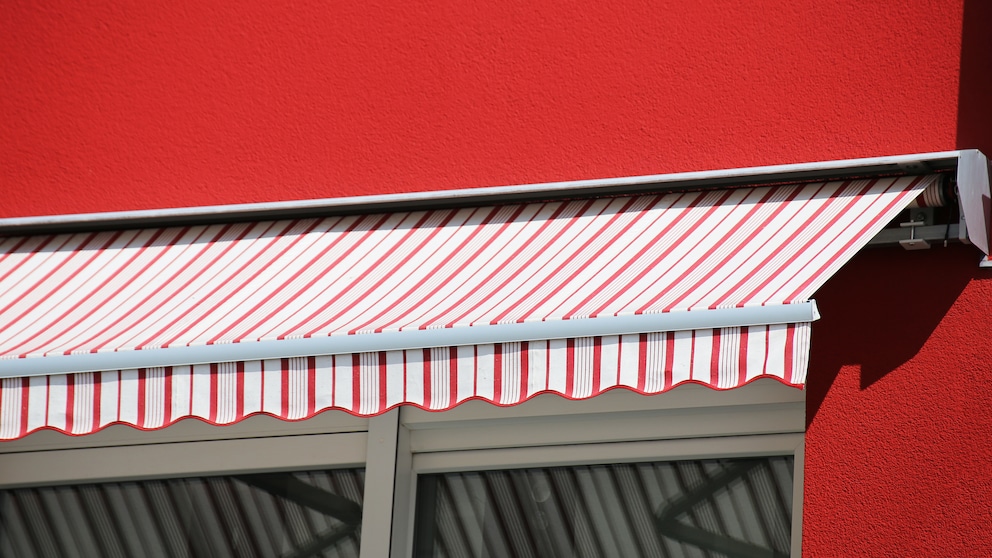
If you look at old cafes, vacation homes, or beer gardens, you’ll often spot the wavy fabric strips at the bottom edge of awnings. While modern homes today often favor straight-line designs, playful waves still hang over terraces and balconies in many places. But why do they exist at all? Do they actually serve a purpose, or are they just a relic of past decades?
Follow myHOMEBOOK on WhatsApp now
The Waves Even Have Their Own Name
What many refer to as “slats,” “fringes,” or simply a wavy fabric edge is technically called a “valance.” This is explained by Nico Springer from the Federal Association for Roller Shutters and Sun Protection (BVRS). The term originally comes from the field of interior design and refers to a decorative fabric skirt.
Originally, Valances Had a Practical Use
Even though the striking shape is often perceived as nostalgic or old-fashioned today, the valance originally had a practical purpose. “The valance primarily serves as additional glare protection from low sun and as a cover for the mechanical parts of the awning,” explains Springer.
Especially in the evening, when the sun is low, the additional fabric strip can prevent sun rays from shining directly into your eyes under the awning. At the same time, it conceals parts of the construction, creating a tidier appearance.
Also interesting: How to properly clean an awning?
The Wave Shape Is Mostly a Matter of Taste
But why did the characteristic wave shape become so popular? According to Springer, it doesn’t offer a significant technical advantage. “Primarily, the wave shape is a design element,” he says. It represents a classic and traditional look, while straight edges appear more subtle and modern.
There is, however, a small practical side effect, as the curved shape can hide slight dirt or wear marks. For example, these are less noticeable visually during wind movements.
Widespread Since the 1960s
The wavy valances became particularly popular during the awning boom of the 1960s and 1970s. Back then, so-called articulated arm awnings became common on many terraces and balconies. The wave edges quickly became a typical design feature of that era and continue to shape the look of many outdoor areas today.

What You Should Know About Vertical Awnings

Soft Tones and Organic Shapes: How to Master the Danish Pastel Trend
Why Valances Still Hang on Many Awnings
Despite clear lines and minimalist architecture, the classic waves are far from gone. The reason is simple: many people still like the traditional look.
“Most awning manufacturers today offer both straight and wavy cuts,” explains Springer. Ultimately, the decision is mainly a matter of personal taste. Like the color or pattern of the awning, the valance can also be used as a design element.
Those who want their terrace to look modern often opt for straight edges. For a more classic or Mediterranean style, the familiar waves remain popular.
Design with Function
The characteristic waves on awnings are by no means a design flaw or an outdated design element without function. As so-called valances, they provide additional glare protection and conceal parts of the technology. However, their curved shape today primarily serves an aesthetic purpose. Their continued presence is less about function and more about the nostalgic charm that many homeowners appreciate.