


April 23, 2026, 4:27 am | Read time: 2 minutes
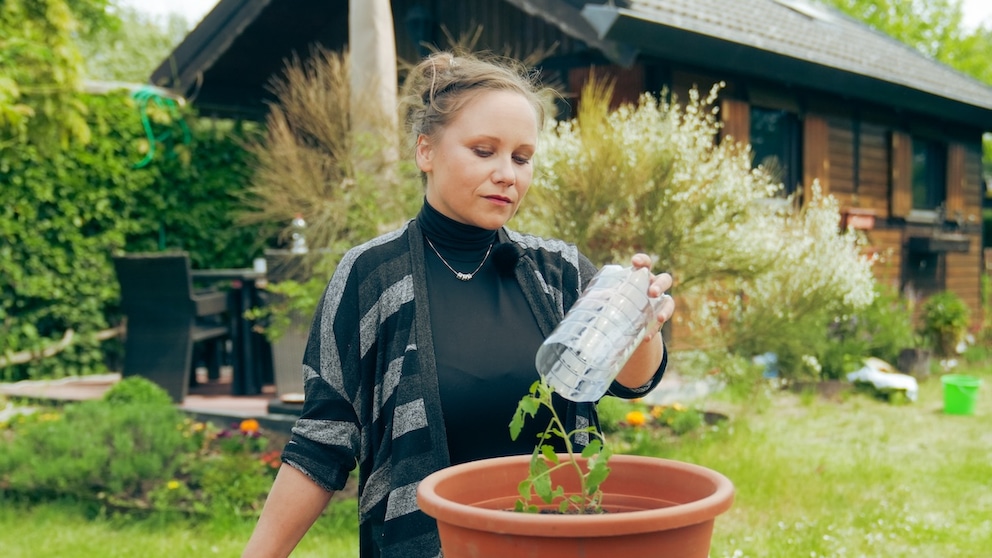
Especially during the transitional months, it’s still too cold for many outdoor plants to grow optimally. Fluctuating temperatures often hinder their development, even though daylight already promises ideal conditions. A protected environment can make a crucial difference here, giving young plants a head start. myHOMEBOOK gardening expert Franka Kruse-Gering explains how to build a mini greenhouse with just a few supplies.
Why a Mini Greenhouse Is Practical
In early spring, small tomato or cucumber plants already receive plenty of valuable daylight outside, but temperatures are often still unstable. Ideally, they should be permanently moved outdoors only after the “Ice Saints” (a period in May known for late frosts), as late night frosts can still occur until then. Nevertheless, it can be beneficial to gradually acclimate them to sun, wind, and temperature fluctuations during the day beforehand. To prevent them from experiencing a cold shock and to better retain warmth, a mini greenhouse is worthwhile during this transitional period. It protects the delicate young plants from excessive cooling and creates a more balanced microclimate as they gradually adapt to outdoor conditions.

How to Protect Your Plants From the Ice Saints

Why You Should Harden Off Vegetable Plants and How to Do It Right
What You Need
The material list for this small DIY project is pleasantly manageable. All you need is an empty 1.5-liter PET bottle, a utility knife, and a sturdy board as a base. The board provides a safe working surface when cutting, and the utility knife allows for clean edges. No additional tools or special knowledge are required. The project can be completed quickly and easily with just a few steps.
How to Quickly Build a Mini Greenhouse
First, carefully cut off the top third of the plastic bottle with a utility knife. It’s important to work evenly and cut as cleanly as possible to avoid sharp or frayed edges. It’s best to place the bottle securely on a firm surface and guide the knife steadily along the desired cutting line.