


September 9, 2026, 4:48 am | Read time: 3 minutes
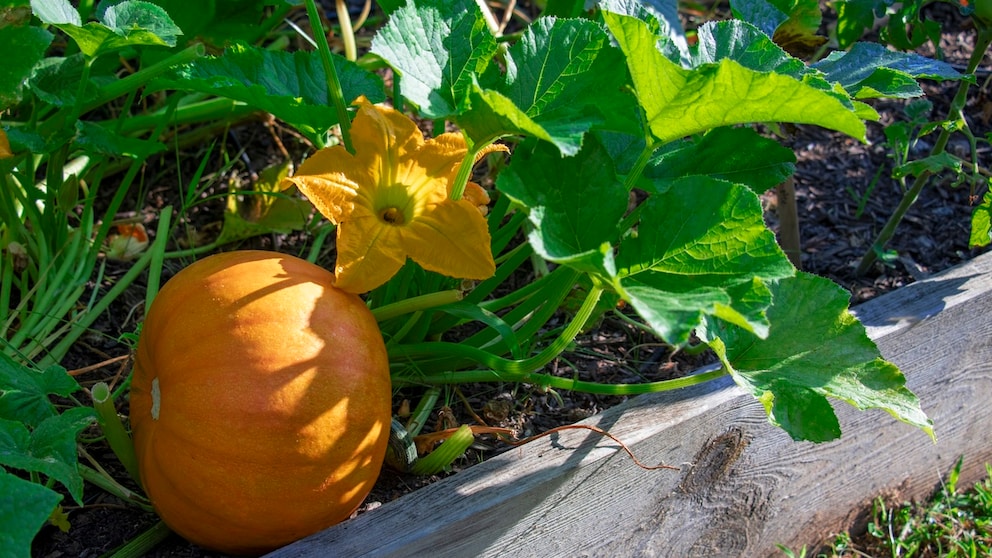
Those who planted pumpkins in the spring often enjoy the first sizable fruits by September. At the same time, many plants are still producing new flowers and even small fruit buds. This raises a question: Should you remove these late blooms now or let the plant take its course? myHOMEBOOK gardening expert Franka Kruse-Gering explains how to handle pumpkin flowers in late summer.
Follow myHOMEBOOK on WhatsApp now
Why Pumpkins Still Bloom in September
Pumpkin plants are extremely vigorous and often produce new flowers well into the fall. As long as the temperatures are right, the plant continues to try to set new fruit. However, the season is slowly running out. While already developed pumpkins now mainly need to ripen, late blooms often result in fruit buds that won’t reach their final size before the first cold nights. The result: The plant continues to invest water and nutrients in new growth, even though the existing fruits also need these resources.
Related: The pumpkin grows over to the neighbor’s yard–can they keep it?
When Removing Flowers Can Be Beneficial
If several well-developed pumpkins are already on the plant, it may be beneficial to remove new flowers and very small fruit buds. This way, the plant doesn’t have to spread its energy across additional fruits and can focus on the pumpkins already present.
This is especially true for varieties with large fruits. Many gardeners intentionally limit the number of fruits so they can grow as large as possible and fully ripen. As a rule of thumb: If the existing pumpkins have largely reached their typical size, they often benefit from no new fruits coming in.
Pruning Vines Can Also Help
To specifically promote the existing pumpkins, you can also prune long vines in late summer. This way, the plant invests less energy in further growth and more in the ripening of the existing fruits. This method is often used, especially with large culinary pumpkins and giant pumpkins.
Also interesting: Caution! Always taste-test garden pumpkins first

What to Consider When Pruning Grapevines

6 Tips to Keep Peonies Fresh in a Vase Longer
When to Leave New Flowers On
It’s different if the plant has so far produced only a few fruits or if the existing pumpkins are still relatively small. In this case, new flowers can still be beneficial. Especially in regions with long, mild fall seasons, there is a chance that harvestable pumpkins will still develop.
Therefore, flowers should not be removed indiscriminately. The key is always how many fruits are already on the plant and how far along their development is.
How to Tell When a Fruit Bud Has Little Chance
A small pumpkin that was set only in September and barely grows in size after several days or weeks often won’t ripen in time. This is especially true when the nights are already significantly cooler.
In such cases, it may be wise to remove the fruit bud. The plant can then focus its energy on the existing fruits, which have a much better chance of fully ripening by harvest.