

November 27, 2026, 8:36 am | Read time: 5 minutes
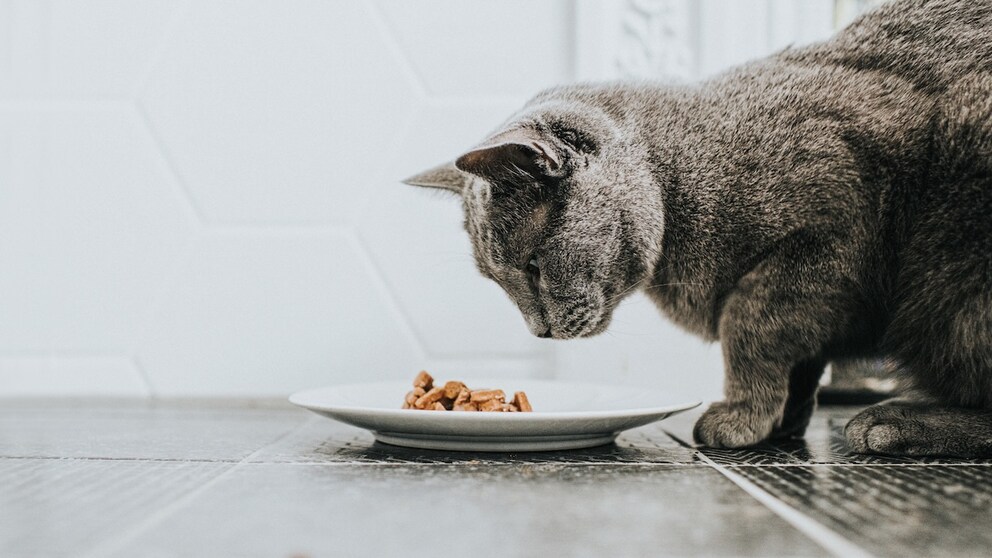
The cat meows in front of the bowl, sniffs expectantly at the food, but doesn’t eat. Is it being picky? Is it sick? It’s hard for owners to assess whether their beloved indoor cat is missing something or if everything is normal. Therefore, it’s crucial to closely observe the behavior and take any further changes seriously.
Follow myHOMEBOOK on WhatsApp now
Cat Has No Appetite
The most common reason why a cat sniffs the food but doesn’t eat is a lack of appetite. This can have various causes. Either the cat simply doesn’t have an appetite for the current type of food, or it’s not as hungry as it seems.
Many owners also make the mistake of immediately refilling the bowl whenever the cat meows in front of them. The animal might be asking for playtime or petting, or it might just be bored. This can quickly lead to some cats being fed too often, which can reduce their appetite and result in them not eating every time.
Age can also play a role. Just like with humans, the appetite of older cats decreases.
Also interesting: How to stylishly integrate a scratching post and more into your home
Cat Has Us Well Trained
Cats are masters of manipulation. They know exactly how to get their humans to fill the bowl with whatever their majesty currently desires. However, it’s not the cat’s fault but the human’s. Many give in too quickly and open a second type of food if the cat doesn’t eat.
But it’s worth waiting. I often observe that cats initially look disappointed when the desired food isn’t in the bowl, but then start eating after some time. However, you shouldn’t leave the food in the bowl for more than an hour–at least not with wet food. Contact with air can cause it to dry out, and then many cats won’t want to eat it at all.
My tip: Leave the food out for a maximum of half an hour, then put it away so the cat can’t smell it and it doesn’t dry out. After an hour, you can try again.
Cat Doesn’t Eat Due to Bad Experiences
Anyone who has ever had an upset stomach knows that the dish or food they last ate can make them feel nauseous. Something similar happens with cats. The food doesn’t even have to be the cause of the stomach upset. But I’ve often observed with my cat Sweety that she wouldn’t eat the type of food she last had after a gastrointestinal infection (which she unfortunately got frequently).
It’s worth getting your cat used to more than one type of food, otherwise switching can be difficult. That’s why I feed different types of food from various manufacturers. This also helps if a food is reformulated (another reason why a cat might suddenly stop eating) or taken off the market.
Food Doesn’t Smell Strong Enough
For cats, it’s not the eyes that eat, but mainly the nose. That’s why many manufacturers ensure that the food smells strong and appealing to cats. However, the food can lose its scent, especially dry food. Although many packages are airtight, constant contact with air over time can lead to a loss of smell.
Food that comes from the fridge and is cold can also smell less strong. Aside from the fact that cats should never be given food directly from the fridge, it can be worthwhile to slightly warm wet food to release more aroma. For dry food, I freeze smaller portions and thaw them as needed.
Also interesting: How long you can leave your cat alone
Loss of Smell
Cats can also lose their sense of smell–for example, during a cold. Just like us, everything tastes a bit bland then. Or the cat sniffs the food but can hardly detect any scent and therefore doesn’t eat. Usually, the loss of smell is associated with an illness and is only temporary. However, there are rare cases where cats can permanently lose their sense of smell. In such cases, you should definitely discuss the cause and further steps with a veterinarian.
Illnesses
In addition to illnesses like colds, which come with a loss of smell, fever, gastrointestinal diseases, or pain can also cause a cat to sniff the food but not eat. Usually, the animals appear generally lethargic, sleep a lot, or don’t come at their usual times to loudly beg for food. You should observe all these signs and, if in doubt, visit a veterinarian.
Also interesting: 5 reasons why cats suddenly bite when petted

How Long You Can Leave Your Cat Alone

How to Achieve Pet-Friendly Cleaning at Home
Dental Problems
A classic issue–and unfortunately recognized too late in many cats–is dental problems. Inflammations in the mouth, broken teeth, or the dental disease FORL can cause a cat to stop eating. The tricky part is that many dental diseases progress slowly and are often diagnosed too late.
Cat Doesn’t Eat–When to See a Vet?
Unlike dogs, which can handle fasting for a day or two, it becomes critical for cats after 24 hours. This is due to the metabolism of fat in the liver. After a day of fasting, the body activates fat reserves, releasing a large amount of fatty acids stored in the liver. This can quickly lead to liver fattening. Veterinarians refer to this as hepatic lipidosis, which can be fatal if untreated. Overweight or older cats are at high risk.
If your cat doesn’t eat for more than 24 hours, you should see a vet. In this case, it’s better to be too early than too late!