


February 2, 2026, 2:14 pm | Read time: 3 minutes
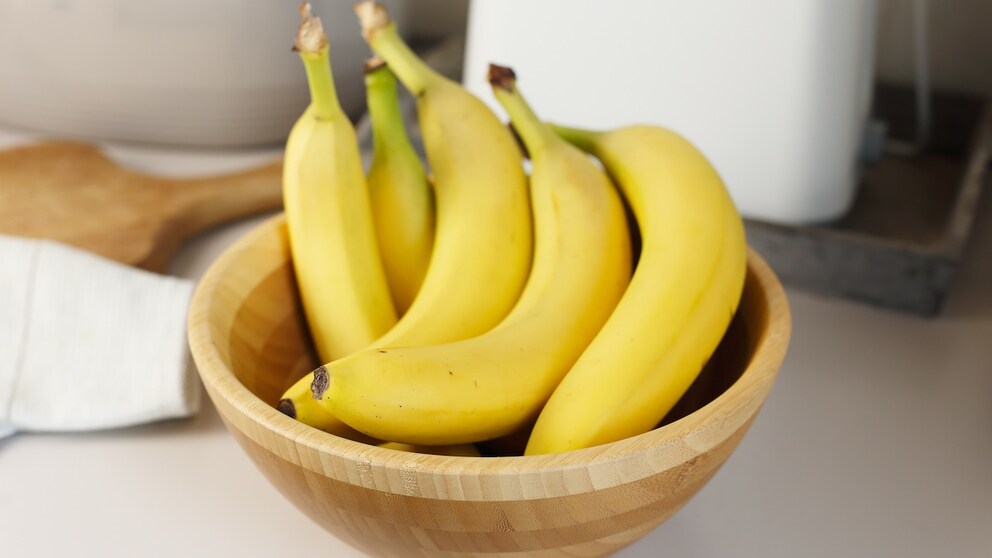
Alongside pears, oranges, and apples, bananas are usually stored in the fruit basket on the kitchen counter. The problem here: Bananas ripen particularly quickly, turning brown and mushy. Can the ripening process be prevented by storing them differently?
Bananas are among the types of fruit that ripen and spoil especially quickly. Typically, they are kept in the fruit basket or even hung on special banana holders. However, according to an American chef, there is another place in the kitchen that might be even better for storing bananas.
Store Bananas to Slow Down Ripening
It sounds curious, but bananas should be stored in the refrigerator–at least that’s the advice from Tamika Sims of the International Food Information Council. According to statements made by the expert to American media, it is possible to delay the ripening process of bananas by storing them in the refrigerator. There, they can stay fresh for at least two days or longer. Important: The bananas should already be ripe. While the peel may turn brown or black, the fruit inside remains fresh and edible.
Hannah Zeyßig from the Consumer Center NRW confirms to myHOMEBOOK: “Storing bananas in the refrigerator can extend their freshness because the cool temperatures reduce ethylene production.” Ethylene is responsible for the ripening of fruits. If it is not produced, the ripening process is slowed, and the fruit remains fresh longer.

Foods You Shouldn’t Store Together

Should You Really Avoid Wrapping Fruits and Vegetables in Newspaper?
The Ideal Storage Place for Ripe Bananas
“Nevertheless, the refrigerator is not an ideal storage place for bananas, as the typical refrigerator temperature of four to eight degrees is too cold,” adds the expert in food quality and sustainability. Bananas come from warm regions and do not tolerate cold. If stored in the refrigerator, cold damage can occur: “These so-called cold damages lead to a brown or gray-black peel and can affect the texture and aroma,” says Zeyßig. As a result, the bananas lose sweetness and flavor.
“A better storage place for bananas is a cool pantry or another room with a moderate temperature between 55 and 59 degrees Fahrenheit.” The basement is also suitable for storing ripe bananas. As the expert explains, the fruits are already stored under similar conditions during transport to slow down ripening without compromising their quality.
Store Bananas Correctly According to Ripeness
However, not every banana should be placed in a cool location immediately after purchase. The ideal storage place depends on the ripeness of the fruit. Green, still unripe bananas are best stored at room temperature, in a bright place—such as in a fruit bowl or on a banana holder. “Bananas like it bright and warm,” says Tanja Wolf from the Consumer Center NRW upon request from myHOMEBOOK. “They ripen in direct sunlight.”
By the way: It’s best not to store bananas next to apples, pears, or tomatoes. All four foods produce the ripening gas ethylene, causing them to ripen even faster.
If they are already ripe specimens, they can be placed in the basement or a cool pantry. Overripe bananas can be cut into pieces and frozen in an airtight container. This way, they are good for up to three months and can be used in smoothies or for banana bread.