


September 26, 2025, 3:56 pm | Read time: 5 minutes
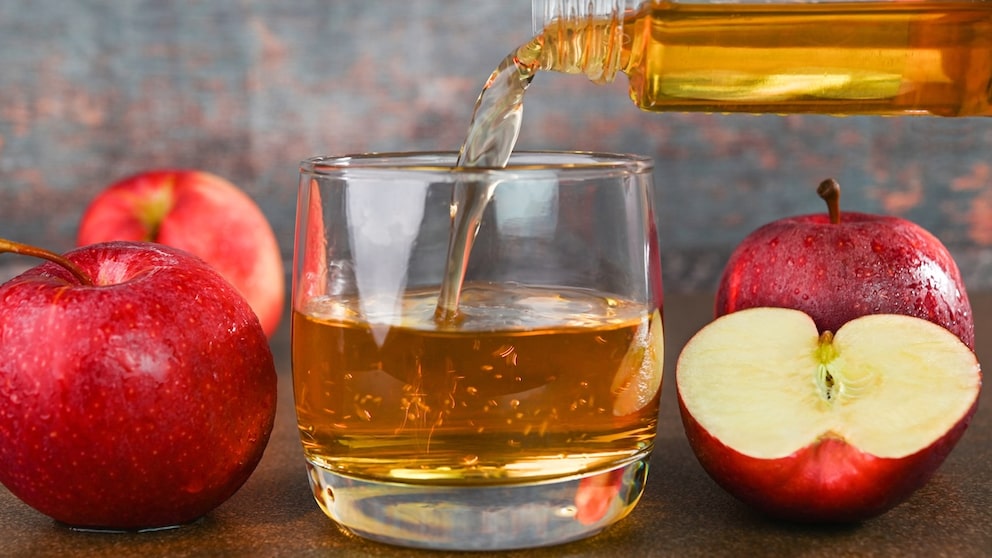
Apple juice from the supermarket usually contains fewer vitamins and minerals and is often sweetened with sugar. If you have a large apple harvest in your own garden, you can make healthier juice yourself. From late summer, many trees are full of ripe fruit, often more than can be used in cakes, applesauce, or by storing. Making your own apple juice is a sensible and healthy way to use the apples. myHOMEBOOK explains how it’s done.
Overview
Making Apple Juice Yourself–These Are the Benefits
Besides saving money and fully utilizing apples with bruises that need to be used urgently, homemade apple juice has several other advantages:
- Vitamins: When apple juice is cold-pressed, it retains all the vitamins and other secondary plant compounds that the apple contains. Thus, it is the ideal vitamin boost for the cooler days. Commercially available apple juice is always heavily heated to make it shelf-stable.
- Only Fruit Sugar: Homemade apple juice contains only the fruit sugar that the apples themselves bring into the juice. The natural sweetness is usually sufficient to make the juice tasty. Fruit juice concentrates or fruit juice mixtures often have added sugar and are additionally diluted with water. This no longer has much to do with natural juice, and the health value, due to the high sugar content, is more akin to soda.
- No Additives: Apple spritzers in the supermarket often have additives like flavors added. These are not inherently harmful to health but can stimulate appetite, and their interaction in the body with other additives in other foods is not fully researched. With homemade apple juice, hobby gardeners know exactly what’s in the juice.
Also interesting: 5 Common Mistakes When Cooking Jam

3 Ways to Process Quinces in the Fall
How to Properly Process Elderberries to Avoid Toxicity
Making Apple Juice with a Juicer
The easiest way to prepare fresh apple juice is with a juicer. So-called slow juicers are particularly recommended, as they gently crush and press the fruit. But centrifugal juicers are also capable of producing fresh, natural apple juice. The juice obtained should ideally be enjoyed immediately, as it contains the most vitamins then. However, a larger quantity can also be stored in the refrigerator for up to 24 hours. Additionally, there are steam juicers that work with high heat and make the apple juice last longer.
Apple juice from regular juicers is also preserved by heating. To do this, pour the obtained juice into a large pot, heat it to 80 degrees Celsius, and let it simmer for 10 minutes. Then skim the foam from the surface with a ladle and fill the apple juice while still hot into sterile bottles with snap closures. Seal them airtight immediately. This way, the apple juice is shelf-stable for several weeks and months and can be stored in the pantry or cellar.
Tip: In some places, there are also professional juicing facilities, such as with fruit growers, where you can process large quantities into apple juice for a fee. In the process, the juice is heated and packed airtight, making it last for several weeks. It might be worth asking around in the area.
Classic Preparation of Apple Juice
Of course, apple juice was also made before there were electric juicers. For this, you need the following materials and ingredients:
- two kilograms of apples
- 1 liter of water
- lemon juice, agave syrup, cinnamon (optional)
- two pots
- sieve
- cheesecloth
Instructions:
- Wash and clean the apples, removing the core and stem. Any bruises or damaged spots must also be thoroughly removed.
- Now cut the apples into small pieces and pour them with the water into a large pot.
- Cook the mixture for 20 minutes until it forms a mushy apple mass.
- Place the sieve in the second pot and spread the cheesecloth inside it.
- Then, pour the apple mass onto the cheesecloth and gently press the mass through the cloth with a spoon. The firmer components of the apples remain in the cheesecloth, while the juice runs through the cloth.
- The finished juice is now seasoned. Lemon juice gives it more acidity, agave syrup adds extra sweetness, and cinnamon provides a festive aroma. Perfect for hot apple juice in winter!
- Fill the apple juice while still hot into sterile bottles and seal them airtight. This way, the juice lasts for several weeks.

Homemade Apple Juice as a Gift Idea
“Homemade gifts that are also delicious are usually particularly well-received. Apple juice from your own produce is no exception. Bottled in beautiful bottles and adorned with pretty labels, the fine juice becomes a creative gift. Apple liqueur can also be conjured up from apple juice in just a few steps. For this, boil 1 liter of apple juice with 150 grams of sugar, 1 cinnamon stick, and 3 packets of vanilla sugar in a pot and then let it cool. Add 375 milliliters of rum and 8 drops of bitter almond flavor to the cooled mixture. Fill into pretty bottles—done!”