

October 22, 2026, 3:51 am | Read time: 2 minutes
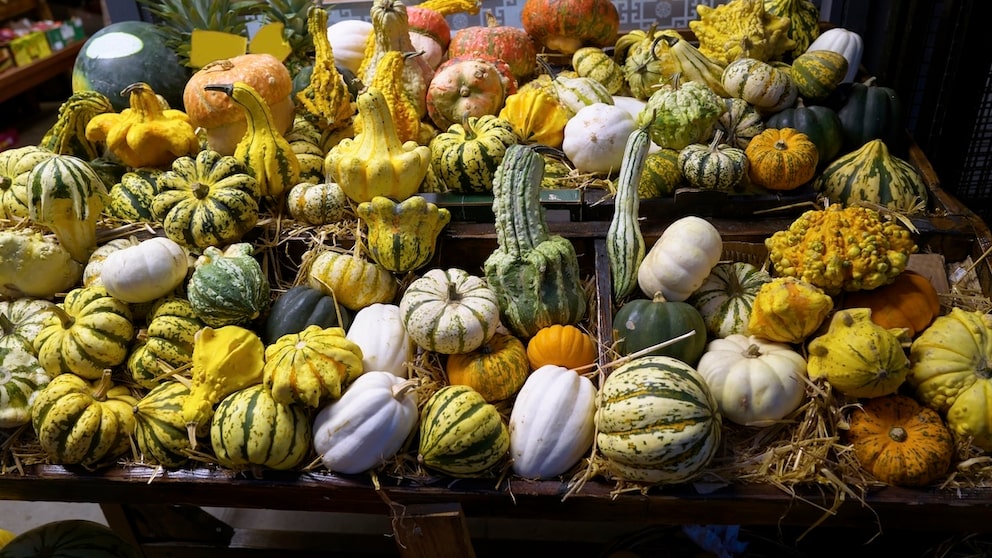
Bright pumpkins are as much a part of fall as falling leaves. But if you’re not careful when decorating and cooking, you could make a serious mistake. Decorative pumpkins should not be eaten.
Follow myHOMEBOOK on WhatsApp now
Why You Shouldn’t Eat Decorative Pumpkins
In supermarkets, especially in the fall, decorative pumpkins are often placed right next to edible pumpkins, which can easily lead to confusion. While varieties like Hokkaido can be consumed without concern, the Bremen Consumer Center warns against eating decorative pumpkins. They may contain cucurbitacins, which are toxic bitter compounds.
These compounds have been bred out of edible pumpkins over many years. Therefore, consumers should ensure that the fruits are explicitly labeled as edible pumpkins when shopping.
Also interesting: What to consider when storing pumpkins
These Symptoms Can Occur
Consuming bitter compounds from decorative pumpkins can lead to health issues. According to the Bremen Consumer Center, symptoms can include nausea, vomiting, diarrhea, and stomach cramps. Children and older adults are particularly at risk.
Caution with Pumpkins from Your Own Garden
Not only decorative pumpkins can be problematic. Caution is also advised with homegrown pumpkins. According to the Federal Center for Nutrition (BZfE), insects can pollinate flowers with pollen from decorative pumpkins. The harvested fruits remain edible, but their seeds can produce pumpkins with toxic bitter compounds in the next season.
Spaghetti and UFO pumpkins can be affected, for example. Therefore, those who grow pumpkins in their garden should use new seeds or seedlings from a specialist retailer each year.
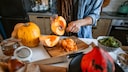
Caution! Always Taste-Test Garden-Grown Pumpkins First
Is an oversized zucchini still edible?
These Pumpkin Varieties Are Considered Safe
According to BZfE, there are varieties that do not cross with decorative pumpkins and therefore do not become bitter or toxic. These include:
- Hokkaido pumpkin
- Butternut pumpkin
- Muscat pumpkin
Bitter Taste Is a Warning Signal
To be completely sure, you should taste a small piece of a homegrown pumpkin raw before cooking. If the flesh tastes distinctly bitter, caution is advised.
In this case, the pumpkin should be spat out immediately. Neither the flesh nor the seeds should be further processed or consumed. Cooking, frying, or baking does not reliably destroy the bitter compounds. Therefore, a bitter-tasting pumpkin remains unsuitable for consumption.
With material from dpa