


August 20, 2026, 11:11 am | Read time: 3 minutes
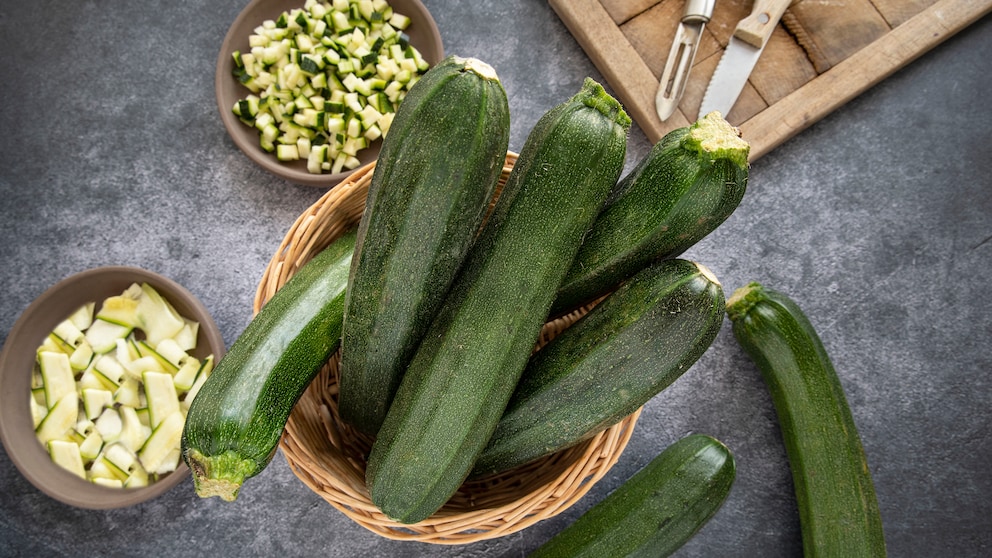
Zucchini often grows faster in the summer than it can be eaten. It’s all the more frustrating when the fruits become soft or shriveled after just a few days. This is often not due to the zucchini itself, but to storage mistakes. Under optimal conditions, zucchini generally lasts about one to two weeks. By following a few simple rules, you can significantly extend its shelf life. myHOMEBOOK gardening expert Franka Kruse-Gering explains what to consider when storing zucchini.
Mistake 1: Washing Zucchini Before Storage
After harvesting or purchasing, zucchini are often rinsed off before being placed in the refrigerator or pantry. However, this is not a good idea for their shelf life. If moisture remains on the skin, it can promote mold and rot. Additionally, vegetables generally keep better when stored as dry as possible. If you want to remove dirt or dust, you should simply brush them off roughly. Ideally, they should be washed just before preparation.
Mistake 2: Storing Damaged Fruits
Small bruises may seem harmless at first, but they can significantly shorten shelf life. Fungi and bacteria have an easy time at damaged spots, causing the fruits to soften or start to rot more quickly. Therefore, it’s worth inspecting zucchini carefully at purchase or after harvest. Fruits with soft spots, cracks, or other damage should be processed or frozen as soon as possible. For longer storage, firm and intact fruits are best.
Also of interest: When Zucchini in the Garden Is Toxic
Mistake 3: Storing Zucchini in Airtight Plastic Bags
Many people store vegetables in plastic bags to protect them from drying out. However, with zucchini, this can backfire. Moisture accumulates in sealed bags and cannot escape, creating a humid environment that promotes mold and rot. Open containers, baskets, or paper bags are much better suited. This allows air to circulate and prevents excess moisture from being trapped.

Garden Produce You Should Use First

Expert Reveals the Ideal Place to Store Ripe Bananas
Mistake 4: Storing Zucchini Too Warm
Zucchini prefer cooler temperatures, not heat. If stored in a sunny kitchen or at high room temperatures, they lose moisture faster, become shriveled, and spoil sooner. Ideal temperatures are between about 50 and 59 degrees Fahrenheit, often found in a pantry or cool cellar. If such a storage place is unavailable, zucchini can also be kept in the vegetable drawer of the refrigerator. There, they usually stay fresh for several days to two weeks, provided they are stored dry and unpackaged or in a breathable bag.
Mistake 5: Storing Zucchini Next to Apples and Other Fruits
Not all fruits and vegetables are compatible when stored together. Zucchini are sensitive to the ripening gas ethylene, which is emitted in larger quantities by some fruits, writes the Baden-Württemberg State Association. This includes apples, pears, and peaches, among others. The ripening gas accelerates the aging of the fruits, causing zucchini to soften faster and lose quality. To preserve their shelf life as long as possible, zucchini should be stored separately from ethylene-producing fruits. A separate spot in the vegetable drawer or pantry is ideal for this.