


October 21, 2026, 4:47 am | Read time: 3 minutes
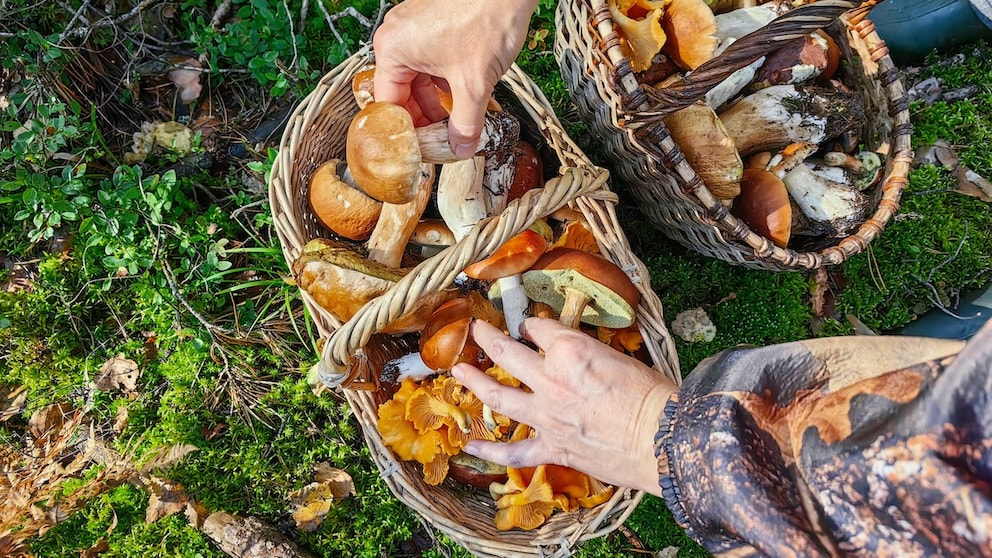
In the fall, those heading into the woods with a basket often rely on experience, weather knowledge, and a bit of luck. But seasoned mushroom hunters pay attention to something else: the vegetation. Certain plants, trees, and site characteristics can provide clues about which mushroom species might be found in an area. myHOMEBOOK learned from mushroom expert Gerhard Schuster why so-called indicator plants are helpful in the search and what else collectors should watch for.
What Indicator Plants Reveal About Mushroom Occurrence
So-called indicator plants can provide valuable clues to suitable mushroom locations. According to Gerhard Schuster from the German Society for Mycology (DGfM), they indicate, among other things, the soil’s composition. “Indicator plants show a suitable soil chemistry for certain mushroom species,” the expert explains.
Additionally, close symbiotic relationships between plants and mushrooms play an important role. Many mushroom species form symbioses with specific trees or other plants. “You only find them with these partners,” says Schuster.
Also interesting: Can you sell mushrooms you collect yourself?
These Plants Provide Clues About the Soil
By closely observing the vegetation in the forest, one can infer the soil conditions. Broom and blueberries prefer to grow on more acidic soils. Liverwort and primroses, on the other hand, indicate more alkaline locations.
Certain tree species are also of interest to mushroom hunters. “Oaks and birches have many symbiotic partners,” says Schuster. Therefore, it is worthwhile to search their surroundings particularly carefully.
Why Experienced Mushroom Hunters Look at the Trees First
With increasing experience, many collectors focus less on the forest floor and more on the surroundings. “For a successful search for certain mushroom species, you automatically look at the appropriate trees once you have gained some experience,” Schuster explains.
Trees and shrubs are often a better first clue than the actual mushrooms, which can be easily overlooked among leaves, moss, and grass.
Related: Collecting mushrooms with AI? Expert has a clear opinion
Some Edible Mushrooms Only Grow Near Certain Trees
For some popular edible mushrooms, certain trees are even a prerequisite. According to Schuster, bay boletes are found exclusively near spruces or pines. Birch boletes, in turn, only grow near birches. And according to Waldwissen.net, slippery jacks prefer to grow under larches.
Can You Sell Wild Mushrooms You Gather Yourself?

Mushroom Picking with AI? Expert Has a Clear Opinion
Indicator Plants Are No Guarantee for a Find
Nevertheless, mushroom hunters should not set their expectations too high. Even if all signs point to a suitable location, it does not automatically mean that the desired mushrooms will actually grow there.
“Indicator plants are a necessary but not sufficient condition for the occurrence of certain mushroom species,” says Schuster. Mushroom hunters should not be disappointed if no finds are made at a promising site.
Soil and Deadwood Also Provide Important Clues
In addition to plants and trees, there are other features that experienced mushroom hunters pay attention to. Many mushrooms do not favor compacted soils. The soil’s ability to retain water also plays an important role in their growth.
Another good sign, according to Schuster, is a lot of deadwood on the forest floor. Where dead branches and wood debris are allowed to remain, mushrooms often find particularly favorable conditions. “A lot of deadwood on the forest floor is a good sign for rich mushroom occurrences,” says the DGfM expert.