


September 7, 2026, 1:34 pm | Read time: 3 minutes
Zucchini are among the easiest vegetables to grow in the garden. Yet many hobby gardeners struggle to determine the right time to harvest them. This is partly because zucchini are usually not allowed to fully ripen. Unlike pumpkins, they are typically harvested when their flesh is particularly tender and they have developed their best flavor. But how can you tell when this time has come? And what features help when shopping at the supermarket?
The Skin Reveals Much About Quality
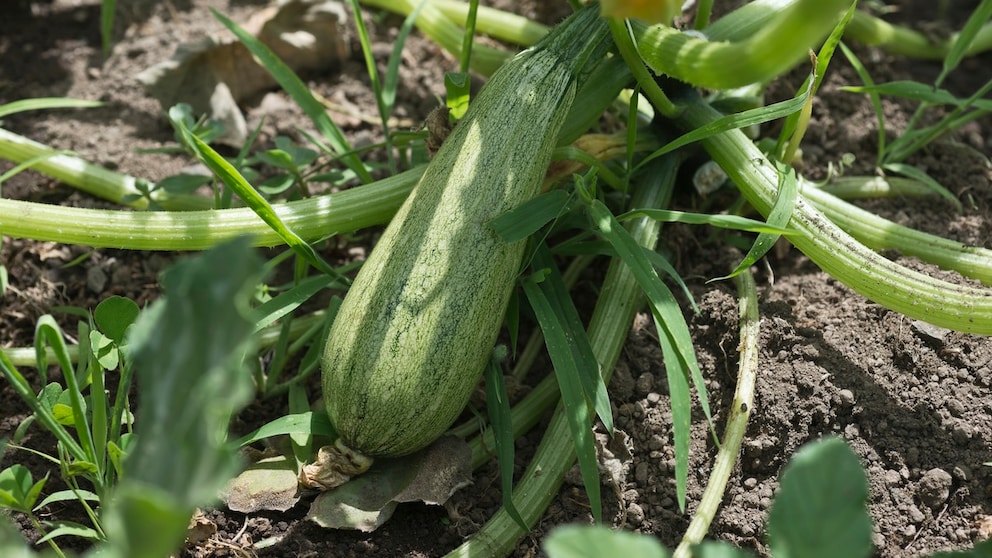
The skin usually provides the most reliable indication of the right harvest time. Fresh and harvest-ready zucchini generally have a smooth, undamaged skin and feel firm. If zucchini remain on the plant too long, the skin often becomes thicker and harder. At the same time, the seeds inside continue to grow, while the flesh loses its tenderness.
In the Garden, Size Isn’t Everything
Those who grow zucchini in their own garden should not rely too heavily on size measurements. After all, there are numerous varieties that differ significantly in shape and size. In addition to the classic elongated zucchini, there are also round varieties or particularly compact-growing types. Therefore, size alone says little about harvest readiness.
Can You Rely on Wilted Leaves?
Dried leaves are often considered an indication of harvest readiness in pumpkins. However, this rule of thumb often leads astray with zucchini. Although both plants are closely related and belong to the squash family, ripeness cannot be judged by the same criteria. While dried leaves can indeed be a possible sign of ripe fruit in pumpkins, they usually say little about the condition of individual zucchini. Since the plants continuously produce new zucchini throughout the season, yellow or wilted leaves can also be due to heat, drought, disease, or the natural aging of the plant. To determine the right harvest time, you should therefore focus primarily on the fruit itself.
How to Identify Good Zucchini in the Store
It’s also worth taking a close look when shopping. A high-quality zucchini has a smooth, undamaged skin without pressure marks, cracks, or mushy spots. It should feel firm and relatively heavy for its size. This indicates that the fruit is fresh and contains a lot of moisture.
The exact shape, on the other hand, hardly matters. Whether long, round, or somewhat squat: The crucial thing is that the zucchini appears crisp and shows no signs of aging such as shriveled spots or soft areas.
What to Watch Out for When Harvesting Pumpkins

Do Pumpkins Still Ripen Even if the Leaves Have Dried Up?
Regular Harvesting Pays Off
Zucchini can grow significantly within a few days. Therefore, it is advisable to regularly check the plants during the season. If harvest-ready fruits are picked promptly, the plant usually produces more flowers and sets new fruits. On the other hand, leaving individual zucchini on the plant for too long not only risks quality loss but often also results in a lower yield.
Better Not to Eat Bitter Zucchini
Special caution is advised with homegrown zucchini if the fruits taste bitter. Bitterness can indicate the presence of cucurbitacins, which can be harmful to health. If a zucchini tastes noticeably bitter, it should not be consumed.